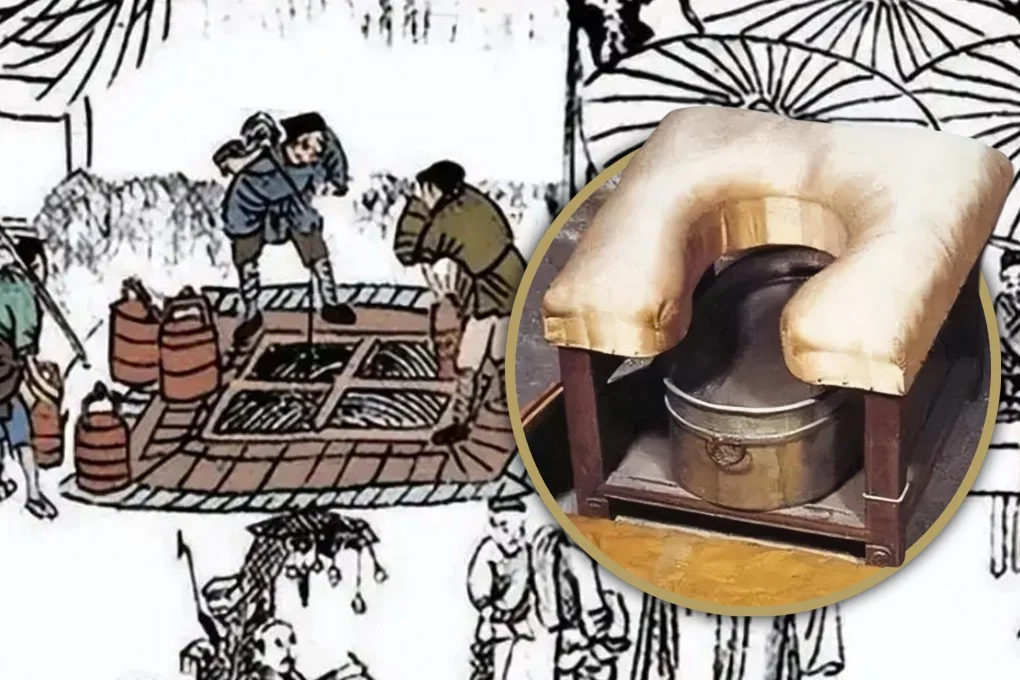
In ancient China, the process of bathing varied greatly among social classes. For common people, this practice was a daily necessity, while in the imperial court, it transformed into a meticulous display reflecting social status.
During the Han Dynasty (206 BC - 220 AD), the invention of paper emerged as one of China's greatest innovations. However, paper remained too precious for daily use, leading the common people to rely on leaves, pebbles, or tiles for personal hygiene, while nobles used silk or cloth.
Details of Bathing Practices
At the imperial court, bathing required special rituals. For instance, Empress Cixi had 28 maids to assist her in this process, reflecting the luxury and attention given to such personal matters. Nobles were keen to display their prestige by using luxurious materials like silk, making bathing a part of social rituals.
These traditions illustrate how even the most private aspects of individuals' lives were managed in a manner that reflected social standing. There was significant attention to detail, as maids took on multiple responsibilities related to personal cleanliness, highlighting the vast gap between the lives of nobles and commoners.
Background & Context
Historically, China was regarded as one of the leading civilizations in the world, contributing to the development of many innovations. The paper industry, which emerged during the Han Dynasty, was one such innovation that changed the course of history. However, the use of paper was not accessible to everyone, leading to the adoption of alternative methods for personal hygiene.
These customs demonstrate how ancient Chinese culture was characterized by complexity, with each social class having its own traditions. These practices also reflect the social and economic values that prevailed during that era.
Impact & Consequences
These bathing traditions in ancient China exemplify how social classes influenced daily life. While commoners struggled with a lack of resources, nobles lived in incredible luxury. This disparity in daily living reflects the challenges faced by communities during that period.
Furthermore, these customs may affect how we understand the cultural and social history of China. The traditions that prevailed during that time continue to influence modern Chinese culture, where an emphasis on cleanliness is considered an essential part of daily life.
Regional Significance
This story illustrates how customs and traditions can vary significantly between different cultures. In the Arab world, there are also unique traditions related to personal hygiene, reflecting cultural and religious values. Such comparisons can be useful for understanding how practices have evolved over time.
Ultimately, these traditions are part of the cultural heritage that shows how societies interact with their daily needs, reflecting the significant differences between social classes.