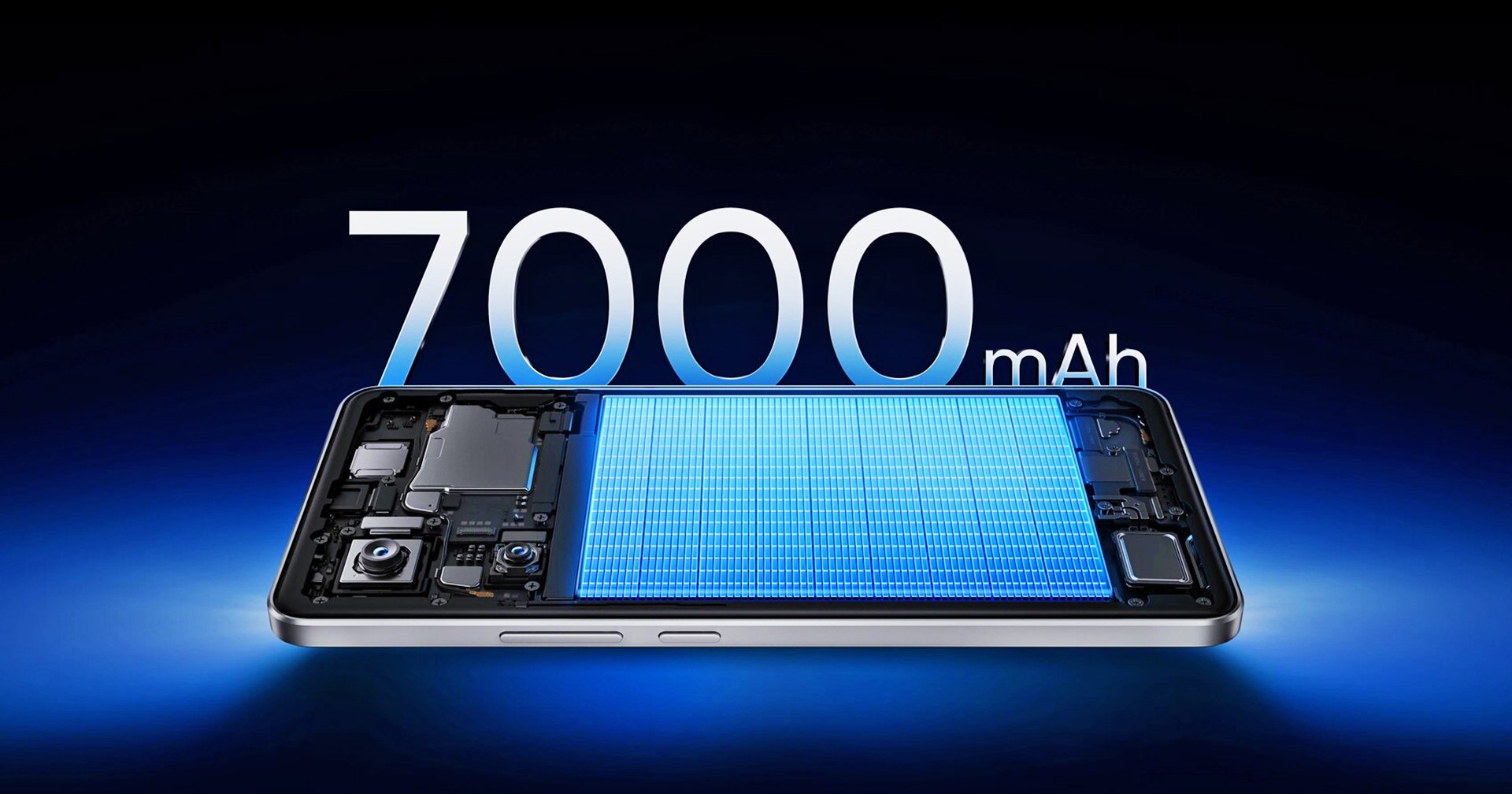
Battery capacity in smartphones has emerged as the leading driver of purchases worldwide, surpassing the price factor that has dominated for decades. In the first quarter of this year, market reports revealed that battery life is no longer just an additional feature, but the fundamental factor influencing consumer decisions.
According to data from Chinese firm Counterpoint Research, the average battery capacity in smartphones is expected to rise to 5291 mAh by January 2026. Analysts from IDC have confirmed that companies are no longer just selling phones; they are selling digital confidence that devices will not shut down in the middle of a workday heavily reliant on artificial intelligence.
Market Trends and Statistics
Statistics indicate that smartphones with batteries of 6000 mAh or more have increased their market share to 29% of global sales at the beginning of this year, compared to just 10% the previous year. This shift reflects a change in consumer behavior, with a growing preference for phones featuring large batteries that support AI applications.
The rising interest in battery capacity is attributed to the shift of AI processing from the cloud to the device. Reports from Gadget Salvation and Tech Radar suggest that running large language models requires 35% more neural processing power compared to traditional applications. This reality forces users to choose between a "dumb" phone with a standard battery or a "super-smart" phone that demands massive energy.
Background & Context
In supply chains, superiority now depends not only on software but also on battery chemistry. Chinese companies such as Honor, Xiaomi, and Vivo dominate the market thanks to the adoption of silicon-carbon technology, which increases energy density by up to 20% without increasing the size or weight of the device. This innovation has made batteries with capacities of 7000 and 8000 mAh a commercial reality, putting major companies like Apple and Samsung in a challenging position.
With smartphone prices rising by nearly 14% this year due to component supply crises, consumers are viewing phones as long-term investments. Recent surveys show that 23% of users plan to keep their devices for more than four years, making battery life represent the "lifespan" of the device.
Impact & Consequences
The shift of "battery life" to the primary purchasing driver signifies the end of the era of "excessive aesthetics" and the beginning of an era of "absolute functionality." Companies that can ensure two days of hard work for their users will lead the digital landscape in the latter half of this decade. The prioritization of battery life in consumer preferences is not merely a passing trend; it is a correction in the industry after years of prioritizing aesthetic aspects over functional performance.
We are witnessing a radical shift in the "biology of smartphones," where battery chemistry has become the main nerve of artificial intelligence. As companies move towards silicon-carbon technology, the question in research centers is no longer how to make phones faster, but how to make artificial intelligence sustainable.
Regional Significance
In the Arab region, this shift reflects a change in consumer preferences, with increasing interest in phones with robust batteries that support the growing uses of artificial intelligence. As reliance on technology in daily life increases, it becomes essential for local companies to adopt these trends to ensure competitiveness in the market.
In conclusion, a phone that cannot withstand the demands of a hard day, no matter how intelligent it is, will gradually find itself out of the innovation race and the consumer's portfolio alike.