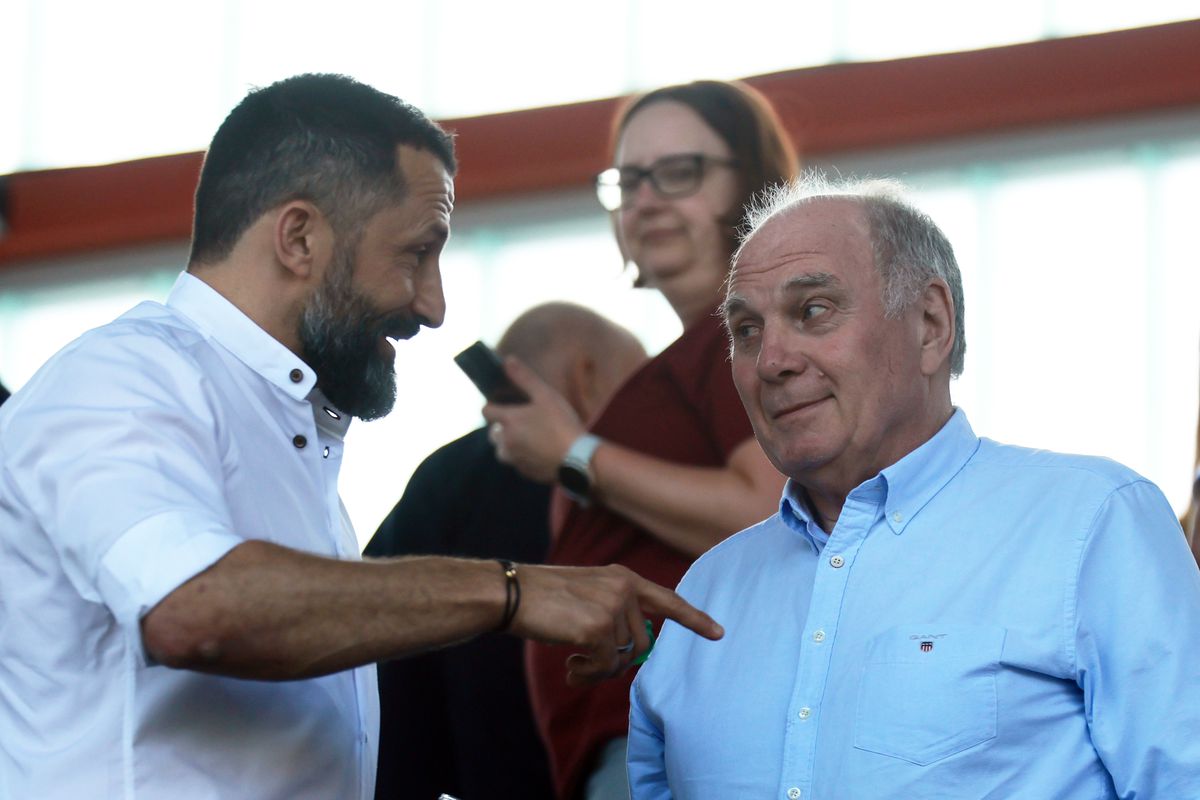
Bayern Munich is currently experiencing a significant internal crisis as honorary president Uli Hoeness loses his temper over escalating disputes between players and management. This turmoil comes at a critical time as the club strives to maintain its position in the Bundesliga.
Tensions within the Bavarian club have increased following a series of disappointing results, leading to mounting criticism from fans and the media. Hoeness has indicated that he is no longer able to control the situation, reflecting the depth of the crisis the team is facing.
Details of the Situation
In recent statements, Hoeness confirmed that he has "completely lost his temper" due to the ongoing disputes between players and management. These remarks come at a time when the team is under significant pressure following a lackluster performance in recent matches. It appears that these disagreements have affected the team's morale, raising concerns about the club's future.
Despite being one of the most prominent figures in Bayern Munich's history, Hoeness now faces the necessity of taking serious steps to resolve this crisis. Some observers have suggested that these disputes could lead to radical changes in the team's lineup or even in the coaching staff.
Background & Context
Bayern Munich is considered one of the most successful clubs in the history of German and European football, having won numerous domestic and continental titles. However, recent years have posed significant challenges for the club, including changes in management and coaching staff, which have affected the team's stability.
Historically, Bayern Munich has been known for its strength in maintaining team stability, but recent changes in management and negative results have increased pressure. These crises are not new to the club, as it has previously experienced similar disputes, but the current situation appears to be more complex.
Impact & Consequences
If these disputes continue, they could significantly affect the team's performance in upcoming matches, potentially leading to further points lost in the league. Additionally, these crises may impact the club's reputation, which seeks to maintain its status as one of the leading clubs in Europe.
Moreover, these crises could lead to changes in the team's lineup, as some players may be released or even a change in coaching staff if negative results persist. Such changes could also affect the club's future investments in new players.
Regional Significance
Football is an essential part of the culture in many Arab countries, where millions of fans follow European clubs, including Bayern Munich. The crises the club is experiencing may affect its fan base in the Arab world, as supporters look to see their team in its best form.
Furthermore, these events may open the door for Arab clubs to take advantage of the current situation, as they could seek to sign players from Bayern Munich if radical decisions are made regarding the lineup. This could enhance the level of competition in Arab leagues.
In conclusion, Bayern Munich faces significant challenges that require swift and effective decision-making. Internal crises may impact the club's future, but history shows that Bayern Munich is capable of overcoming difficulties if handled wisely.