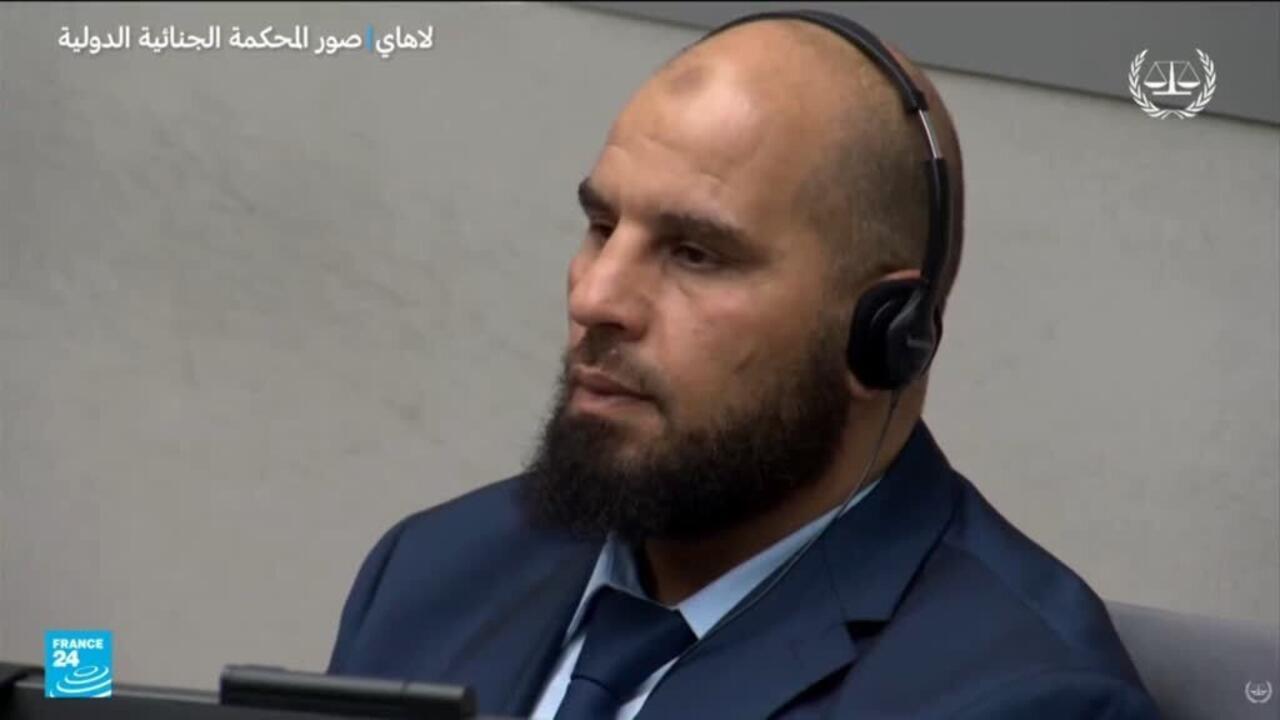
The International Criminal Court commenced hearings today regarding Khaled al-Heishri, the director of Mitiga prison in Libya, who is facing serious allegations of torture. Prosecutors indicated that al-Heishri, who oversees the women's wing of the prison, was notorious for his extreme cruelty, prompting detainees to refer to him as 'Azrael.'
These hearings come at a sensitive time for the human rights situation in Libya, where the country is suffering from severe human rights violations amid ongoing political and security chaos. Al-Heishri, aged 47, is accused of overseeing one of the most notorious prisons in the country, managed by the Deterrence Agency for Combating Terrorism and Organized Crime.
Details of the Case
During the hearings, prosecutors presented evidence indicating that al-Heishri was responsible for systematic torture practices within the prison. These practices included physical abuse and psychological torture, leading to the deterioration of the health and psychological state of the female detainees. Prosecutors also noted that al-Heishri acted with complete disregard for laws or international human rights standards.
This case is one of several targeting Libyan officials accused of committing serious violations. The International Criminal Court seeks to hold these officials accountable and bring them to justice, reflecting its commitment to combating impunity in armed conflicts.
Background & Context
The International Criminal Court was established in 2002 with the aim of prosecuting individuals accused of war crimes and crimes against humanity. However, its work in Libya has faced significant challenges due to the ongoing political chaos since the overthrow of Muammar Gaddafi's regime in 2011. This chaos has led to the proliferation of armed groups and a deteriorating security situation, making it difficult to implement justice.
In recent years, Libya has witnessed a rise in human rights violations, including torture and enforced disappearances. These violations have raised concerns within the international community, prompting numerous human rights organizations to call for comprehensive investigations and accountability for the perpetrators.
Impact & Consequences
If the allegations against al-Heishri are proven true, this could pave the way for further investigations into human rights violations in Libya. It may also increase pressure on Libyan authorities to improve prison conditions and the treatment of detainees. This case could be a turning point in the international community's efforts to hold accountable those responsible for human rights violations in the country.
Additionally, these hearings may affect Libya's international relations, as the government could face increased pressure from Western countries concerned about human rights. If serious steps toward reform are not taken, Libya may face growing international isolation.
Regional Significance
The al-Heishri case exemplifies the challenges faced by Arab countries regarding human rights. Many nations in the region suffer from similar violations, highlighting the need for comprehensive reforms. This case may inspire human rights movements in other countries to demand justice and accountability.
Ultimately, these hearings represent an important opportunity for the international community to demonstrate its commitment to human rights. If the International Criminal Court succeeds in holding al-Heishri accountable, it could have a positive impact on justice efforts in the region.