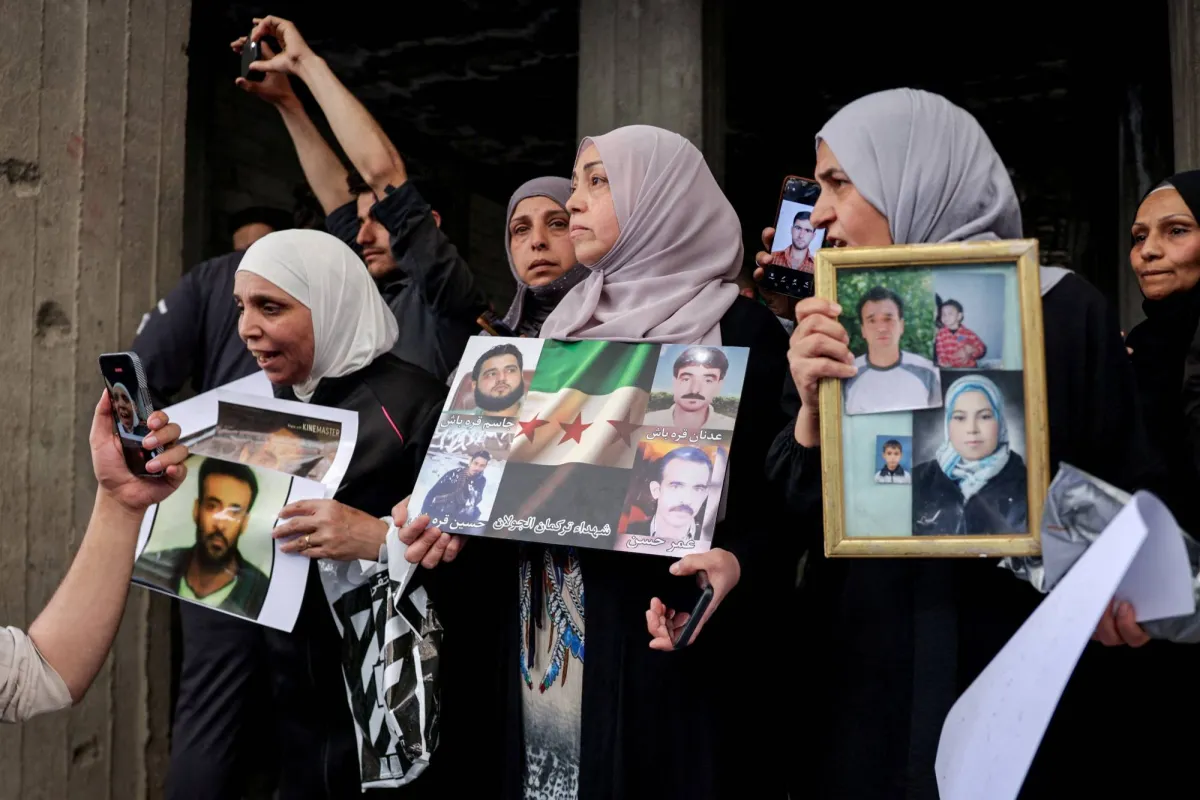
The trial of Atef Najib, former security chief and head of the political security branch in Dar'a, commences today in the Syrian capital, Damascus. Najib is linked to severe human rights violations during the rule of ousted president Bashar al-Assad. This trial is part of the Syrian authorities' efforts to prosecute officers involved in crimes and human rights abuses that have plagued the country since the outbreak of popular protests in 2011.
Najib, who was arrested in January 2025, is considered a prominent figure in the former regime, playing a pivotal role in suppressing protests in Dar'a, which ignited the Syrian revolution. His public trial represents a crucial step towards achieving justice, as it is expected to be the beginning of a series of trials involving symbols of the former regime.
Details of the Event
The trial of Atef Najib is taking place in the Fourth Criminal Court in Damascus, where evidence and testimonies condemning his role in the violations are expected to be presented. This trial occurs amid a climate of caution in the Hama countryside, following the arrest of the father of Amjad Youssef, who is accused of committing the 2013 al-Tadamun massacre in Damascus. This reflects the ongoing efforts of the authorities to pursue those involved in crimes against humanity.
The arrest of Amjad Youssef's father, considered one of the most dangerous perpetrators of massacres, has elicited mixed reactions within the Syrian community. Many express hope for justice, while others are concerned about the implications of these actions on security and stability in the region.
Background & Context
Since the onset of the Syrian revolution in 2011, the country has witnessed widespread human rights violations, including arbitrary arrests, torture, and killings. Atef Najib played a significant role in these violations, leading the suppression of protests in Dar'a, resulting in the deaths of numerous civilians. The current trials are part of international and local efforts to demand justice and accountability for the crimes committed during the conflict.
The Syrian authorities aim to restore some credibility before the international community through these trials, at a time when pressures are mounting to curb violations and achieve justice for the victims. However, questions remain about the seriousness of these steps and their ability to yield tangible results.
Impact & Consequences
The trial of Atef Najib is a significant step in the pursuit of justice and could greatly influence the course of events in Syria. If the trials are conducted transparently and publicly, they may enhance citizens' trust in judicial institutions and contribute to national reconciliation. However, the ongoing violations and lack of accountability for all involved may exacerbate the situation and increase tensions within the community.
These trials also demonstrate a political will within the country to confront the past, despite the substantial challenges faced. The success of these trials could encourage more victims to demand their rights, potentially leading to positive changes within Syrian society.
Regional Significance
The trial of symbols of the Assad regime is part of broader efforts to achieve justice in the region, showcasing that Arab societies are beginning to hold accountable those responsible for human rights violations. These steps may inspire other peoples in the region to demand their rights and hold accountable the regimes that have committed crimes against them.
Achieving justice in Syria could have positive ramifications for stability in the region, as it may help build trust between governments and their peoples, enhancing prospects for peace and stability in the future. However, the greatest challenge remains ensuring that perpetrators do not escape punishment.
In conclusion, the trial of Atef Najib represents a new beginning in the quest for justice in Syria and could be a step towards achieving comprehensive national reconciliation. Yet, the road ahead remains long and requires continuous efforts from all involved parties.