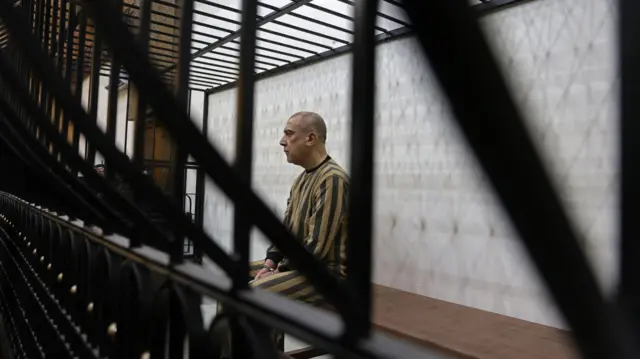
On Sunday, Syrian authorities began the trial of former security chief Aatif Najib at the courthouse in Damascus. He is accused of committing serious crimes against the Syrian people, including the torture of children during the rule of former president Bashar al-Assad. This trial represents a significant step in the context of holding accountable those responsible for the violations that have plagued the country over the past years.
This trial comes at a sensitive time for Syria, as the government seeks to rebuild its image after years of conflict and violence. Najib's appearance in court has garnered widespread attention, as he is considered one of the prominent figures in the Syrian security apparatus linked to numerous violations.
Details of the Trial
The first session of the trial was held at the courthouse in Damascus, where evidence and testimonies related to the charges against Najib were presented. Reports indicated that the session was attended by several human rights activists who closely monitored the proceedings. The testimonies provided by former victims were highlighted, adding a human dimension to the case.
The charges against Najib include the use of brutal torture methods against children, which has sparked widespread international condemnation. Human rights organizations have confirmed that these violations are part of a systematic policy aimed at suppressing any opposition to the regime.
Background & Context
Since the onset of the conflict in Syria in 2011, the country has faced severe criticism for human rights violations. International reports have shown that Syrian security forces were involved in torture and killings of civilians, exacerbating the humanitarian crisis in the country. Aatif Najib, who held a high-ranking position in the security apparatus, is seen as a symbol of these violations.
Najib's history in the security forces spans decades, where he played a prominent role in suppressing popular protests that erupted against the regime. As international pressure has mounted, the Syrian government has begun to take steps towards holding some officials accountable, although these steps are still considered insufficient by human rights activists.
Impact & Consequences
The trial of Aatif Najib is viewed as a symbolic step in the efforts to hold accountable those responsible for human rights violations in Syria. This trial may open the door for other trials of former security officials, potentially contributing to the strengthening of transitional justice in the country. However, questions remain about the impact of these trials on the political and security situation in Syria.
On the other hand, this trial may affect relations between Syria and Western countries, which are closely monitoring human rights developments in the country. These trials could improve the image of the Syrian government in the eyes of some nations, but they may also lead to increased international pressure if the outcomes are unsatisfactory.
Regional Significance
The trial of Aatif Najib is an important event not only for Syria but for the entire Arab region. It reflects the desire of some countries to hold accountable those responsible for violations, which may encourage human rights movements in other nations. Additionally, these trials could serve as a model for transitional justice in countries that have experienced similar conflicts.
In conclusion, the trial of Aatif Najib marks a significant milestone in the pursuit of justice in Syria. As the conflict continues, there remains hope that these steps will contribute to achieving justice and reconciliation in the future.