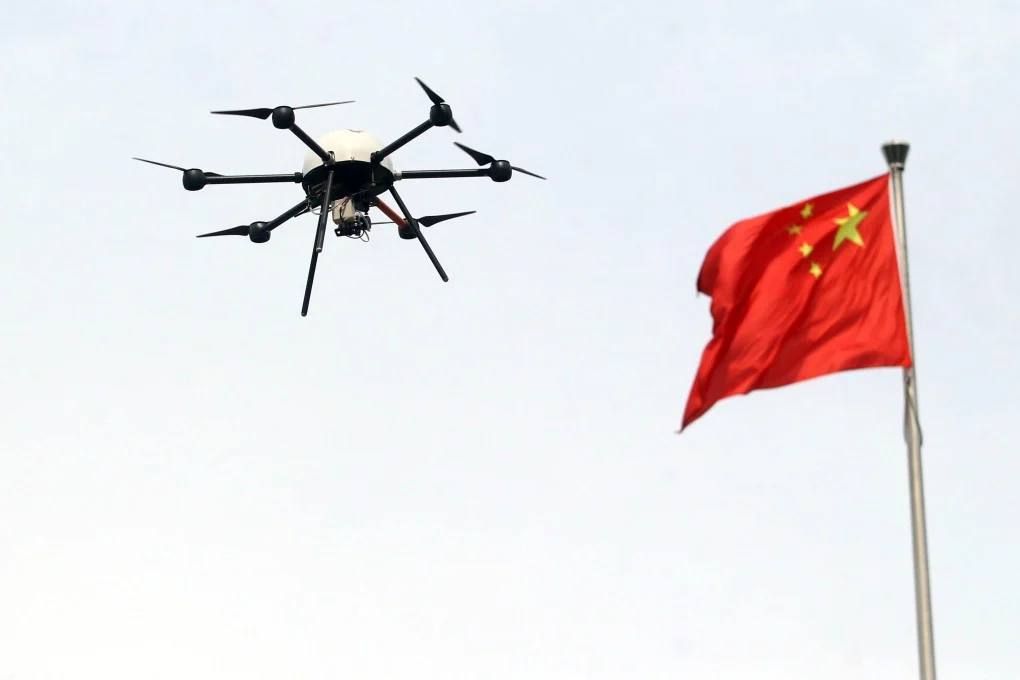
The Chinese capital, Beijing, has announced a tightening of regulations governing drones, significantly restricting the sale, storage, and transfer of these aircraft in response to security concerns related to low-altitude airspace. This decision follows the approval of the local legislative body in Beijing last Friday.
Under the new rules, the sale or rental of drones, along with 17 essential components, is prohibited for any individual or organization without obtaining approval from public security authorities. This move reflects the increasing trend of the Chinese government to enhance control over advanced technology, especially amid rising geopolitical tensions.
Details of the New Regulations
The new regulations include strict measures that prevent the introduction of new drones or essential components into the capital without the necessary permits. These measures are believed to aim at enhancing security in urban airspace, where concerns are growing over the use of drones in illegal activities or security threats.
Authorities will also increase monitoring of drone-related activities, reflecting the government's concern over the potential use of drones for attacks or espionage. Seventeen essential components have been identified as crucial for the operation of drones, complicating the process of obtaining this technology.
Background & Context
Drones are considered modern technologies that have seen widespread adoption in recent years, being used in various fields such as aerial photography, delivery, and surveillance. However, their use has raised concerns among governments worldwide, particularly amid increasing security threats.
In China, there have been growing calls to tighten oversight of this technology, especially following several incidents involving the use of drones in illegal activities. The Chinese government is also seeking to enhance its ability to control airspace, necessitating strict measures to ensure security.
Impact & Consequences
These new regulations are expected to significantly impact the drone market in China, increasing challenges for manufacturers and distributors. Additionally, these measures may lead to a decline in innovation in this sector, as the process of obtaining permits becomes more complicated.
Moreover, this step could heighten tensions between China and other countries, especially amid increasing technological competition. These measures may be viewed as a reaction to growing international pressures, potentially affecting trade relations between China and other nations.
Regional Significance
In the Arab region, these developments may have multiple implications, especially given the increasing use of drones in armed conflicts. These regulations could serve as a model for some Arab countries seeking to regulate the use of this technology.
Furthermore, enhancing oversight of drones may bolster security efforts in Arab nations, where these aircraft are used for surveillance and espionage operations. However, challenges related to innovation and development in this field may pose obstacles to technological advancement in the region.
In conclusion, the new measures taken by Beijing reflect global trends towards enhancing security in airspace, prompting other countries to consider how to effectively regulate the use of drones.