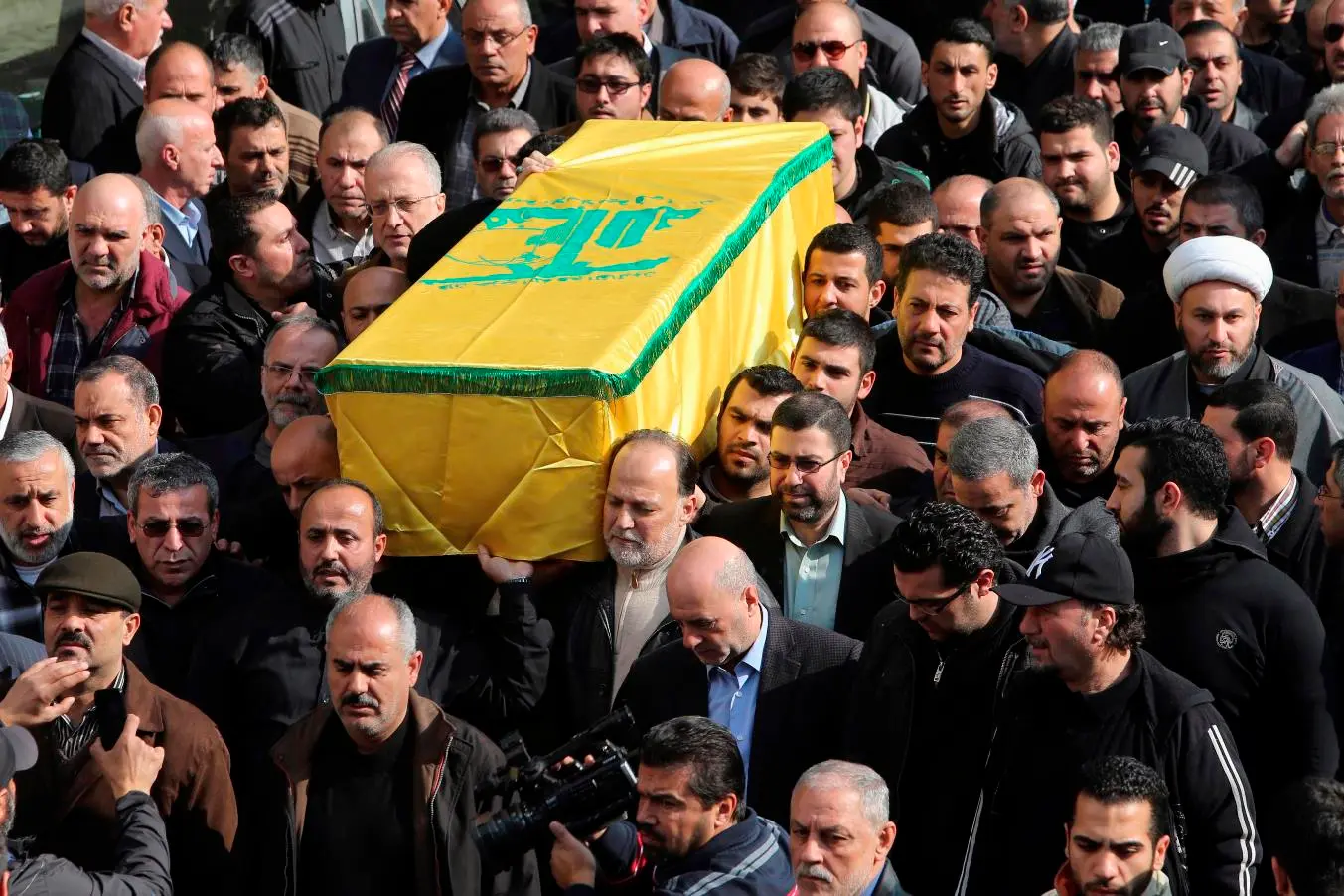
In an atmosphere of sorrow and grief, the Lebanese capital, Beirut, bid farewell to its distinguished son, the esteemed artist Ahmad Qabour, who left a clear mark in the world of art and music. Funeral prayers for his soul were held following Friday prayers at Al-Khashoggi Mosque, where many political, media, artistic, cultural, and social figures, in addition to his fans, gathered.
The farewell ceremonies embodied Qabour's significant status in the hearts of the Lebanese, as the funeral was conducted in a grand official manner, reflecting the profound impact he left on the artistic scene. He was buried at the Martyrs' Cemetery, where his name is immortalized among the icons who contributed to building the Lebanese cultural identity.
Details of the Event
The funeral was attended by several prominent figures, including ministers, deputies, and representatives from various sectors. The prayers were held in the presence of a large crowd of people who came to offer condolences and bid farewell to Qabour, known for his artistic works that reflect the spirit of southern Lebanon. Some attendees delivered eulogies, praising his artistic journey and contributions to Lebanese culture.
Ahmad Qabour, who was born in southern Lebanon, played a significant role in reviving Lebanese folk heritage, presenting many songs that reflect the suffering and hopes of the Lebanese people. He was known for his poems that carry feelings of love and belonging to the homeland, making him a symbol of resistant art.
Background & Context
Ahmad Qabour is one of the most prominent Lebanese artists who contributed to shaping the cultural identity of the country. Born in 1957, he began his artistic career in the 1970s, presenting many works that resonated widely in society. His songs expressed national issues, especially in light of the difficult circumstances Lebanon faced during the civil war.
Qabour's works were greatly influenced by his surrounding environment, reflecting the daily life realities of people in southern Lebanon. His songs contributed to enhancing national identity, earning him significant popularity among various segments of society.
Impact & Consequences
The passing of Qabour represents a significant loss for Lebanese art, as he was considered one of the pillars of culture and music in the country. His influence on new generations of artists is undeniable, inspiring many to follow in his footsteps. His death opens the door for discussions about the importance of preserving cultural and artistic heritage in Lebanon, especially amid the challenges facing the country.
Qabour's death is expected to evoke widespread reactions in artistic and cultural circles, as he is regarded as a symbol of cultural resistance. His departure may also shed light on the importance of supporting local artists and promoting national culture in Lebanon.
Regional Significance
The death of Ahmad Qabour is a significant event not only in Lebanon but also in the Arab world in general. He had a considerable impact on the artistic scene in many Arab countries, where his songs were well-known. His departure represents an opportunity to reflect on the cultural and artistic heritage that connects Arab peoples and highlights the importance of cultural unity in facing challenges.
The loss of Qabour underscores the need to promote arts and culture in the Arab world, where art is considered a means of expressing identity and belonging. His passing reminds us of the importance of supporting artists and creators in our communities to ensure the continuity of cultural heritage.