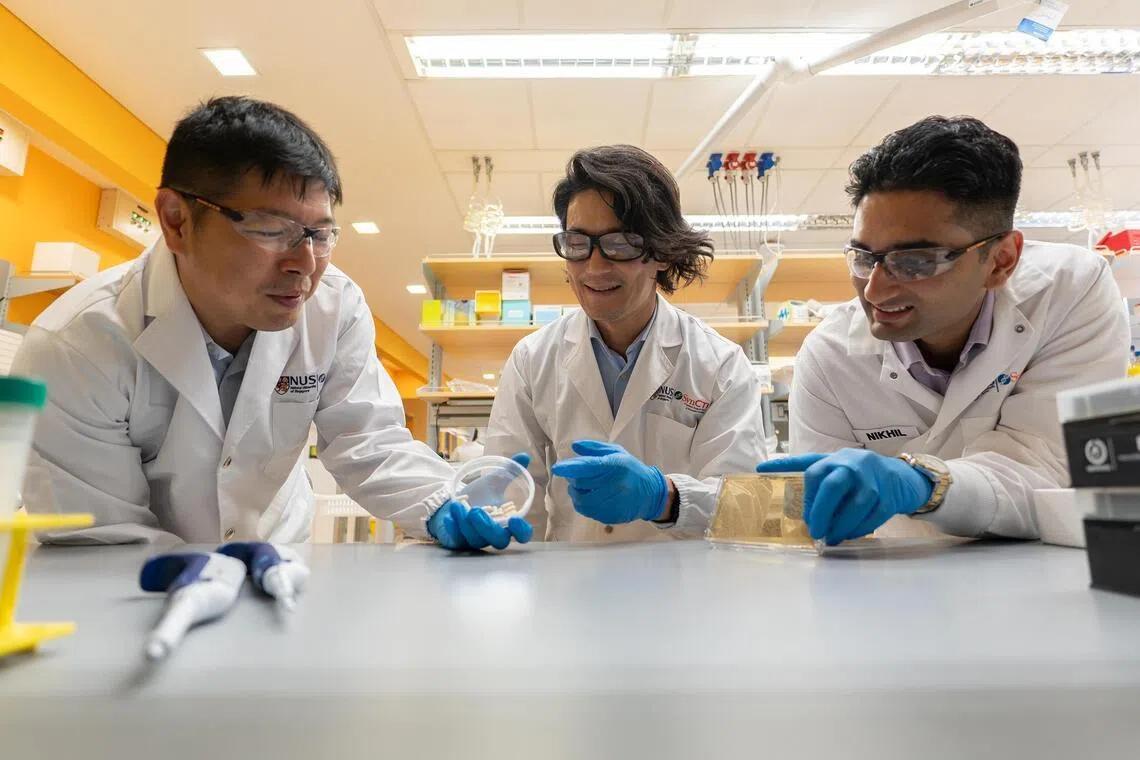
Researchers in Singapore have announced a significant scientific achievement in the field of biomedical science, having developed beneficial bacteria capable of preventing liver toxins from reaching the brain. A patent has been filed for this innovation, enhancing its potential for clinical applications and providing new hope for addressing neurological diseases associated with liver toxicity.
This technology represents an important step in medical research, aiming to improve brain health by promoting good bacteria in the gut. Studies indicate that gut health plays a vital role in brain health, making this research particularly relevant given the rising incidence of neurological diseases such as Alzheimer's and Parkinson's.
Details of the New Technology
The new technique involves using genetically modified bacteria to enhance their ability to resist toxins produced by the liver, which can lead to the deterioration of brain functions. Clinical trials are expected to commence soon, which may contribute to the development of new and effective treatments.
The patent represents a crucial step towards achieving this goal, as it will help accelerate the research and development process. Researchers believe that this technology could benefit many patients suffering from health issues related to the liver and brain.
Background & Context
Historically, research related to gut and brain health has seen notable advancements, with the relationship between the two being demonstrated in numerous studies. In recent years, there has been growing interest in how beneficial gut bacteria affect overall health, particularly mental health. This new research aligns with this increasing trend.
Impact & Consequences
If this technology proves effective in clinical trials, it could revolutionize the treatment of neurological diseases, reducing reliance on traditional medications that may have serious side effects. Furthermore, this technology could enhance the quality of life for many patients, alleviating the health and economic burdens associated with neurological diseases.
Regional Significance
This breakthrough not only holds promise for patients in Singapore but also has potential implications for global health. As neurological diseases become more prevalent worldwide, innovations like this could pave the way for new treatment modalities that are less invasive and more effective.
In conclusion, the development of beneficial bacteria to protect the brain from liver toxins represents a significant milestone in biomedical research. It opens new avenues for treatment and underscores the importance of gut health in maintaining overall well-being.