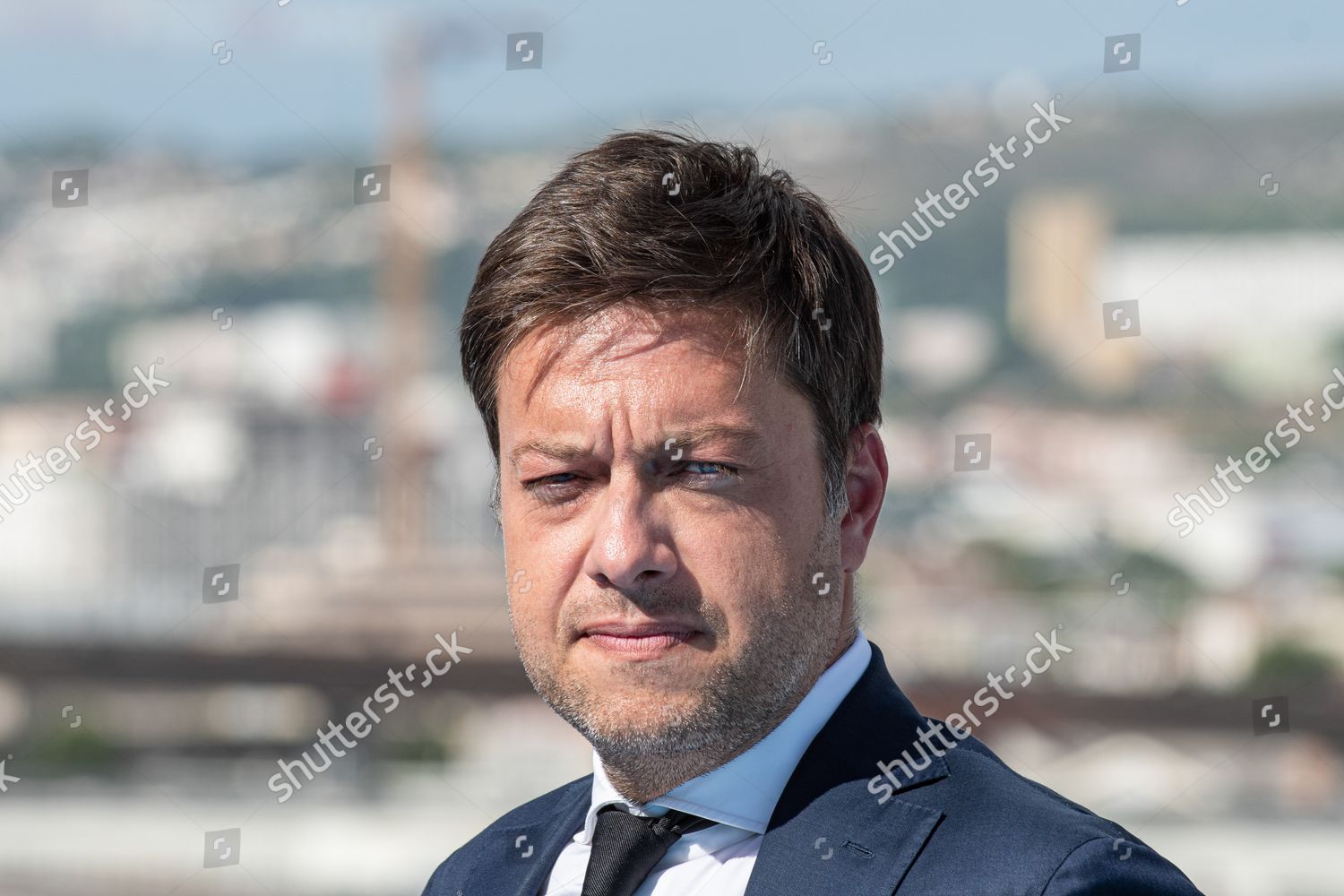
Benoit Payan, leader of the Marseille Spring movement, has returned to the mayorship of Marseille after a resounding victory without any competitors. This win comes in a political context dominated by the National Rally, which constitutes the largest part of the opposition in the municipal council. This victory reflects Payan's strength in the local political arena, where he has managed to consolidate his authority in a city considered one of the largest in France.
In a recent municipal council session, Payan was confirmed as the mayor of the city, allowing him the opportunity to implement his vision for a city that "protects" its residents and works to improve their quality of life. Payan stated in his remarks that his administration will focus on enhancing security and better providing essential services, reflecting the challenges the city currently faces.
Event Details
Payan's return to the mayorship of Marseille comes at a sensitive time, as the city grapples with multiple issues such as rising crime rates, deteriorating infrastructure, and increasing social needs. Payan indicated that his priorities will include improving public safety and enhancing social services, in addition to developing new projects aimed at improving the daily lives of residents.
Despite having no competitors in the election, Payan faces significant challenges from the National Rally, which is gaining popularity in the city. This far-right party is one of the most prominent opponents of Payan's policies, adding complexity to the political landscape in Marseille.
Background & Context
Historically, Marseille has witnessed significant political transformations, being a center for numerous social and political movements. Since 2014, Payan has held the mayoral office and has succeeded in reshaping the city's image by focusing on sustainable development and cultural diversity. However, the challenges facing the city today require a swift and effective response from the local government.
Marseille, the second-largest city in France, is a meeting point for various cultures, making it susceptible to social and political tensions. Economic and social crises have contributed to deepening divisions within the community, increasing the importance of effective leadership at this stage.
Impact & Consequences
The implications of Payan's victory extend beyond Marseille, as his policies could influence other French cities facing similar challenges. His success in addressing local issues may serve as a model for other cities, while failure in his policies could bolster the popularity of far-right parties.
Payan's victory also reflects the general trend in France towards strengthening local political forces, as citizens seek leadership capable of effectively addressing pressing issues. This may lead to changes in political dynamics at the national level.
Regional Significance
Political events in France hold particular significance for the Arab region, where a large number of Arabs and migrants reside. The policies adopted by Payan may affect the lives of these populations, especially amid the social and economic tensions that may arise as a result of his policies. Additionally, his success or failure in addressing local issues could have repercussions on the relations between France and Arab countries.
In conclusion, Benoit Payan's victory in Marseille presents a new opportunity for the city to confront the challenges it faces. However, his success depends on his ability to balance the aspirations of the residents with the demands for security and stability.