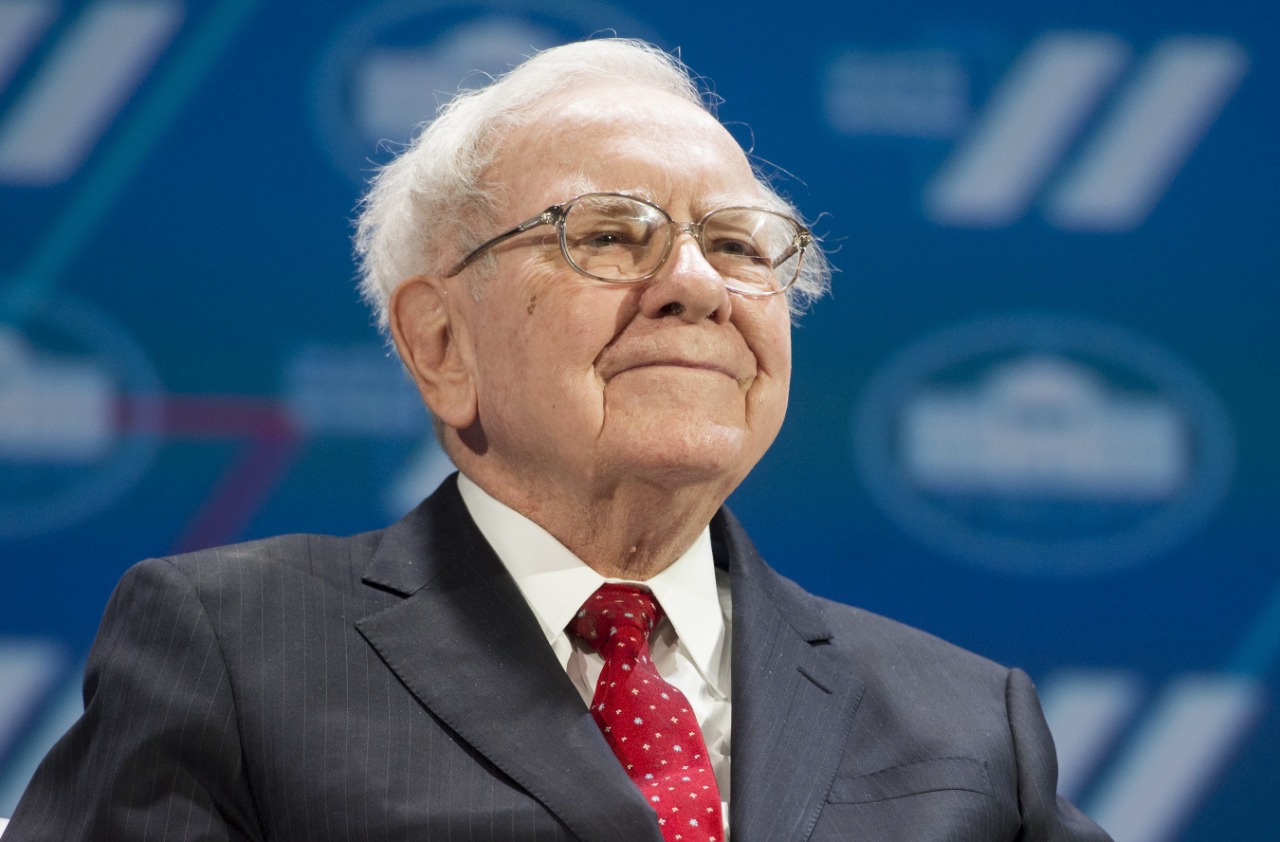
Berkshire Hathaway, owned by the renowned billionaire Warren Buffett, has announced its intention to invest 287.4 billion Japanese yen, equivalent to $1.8 billion, in Tokyo Marine Holdings, which marks a remarkable milestone for American contribution in the Japanese market.
This investment is considered a strategic move by Berkshire Hathaway to enhance its presence in the insurance market in Japan, one of the largest markets worldwide. With this investment, Tokyo Marine will be well-positioned for expansion and growth in a region experiencing increasing competition in the insurance sector.
Investment Overview
This investment comes at a time when many global companies are facing economic slowdowns, highlighting Warren Buffett's confidence in Tokyo Marine's ability to generate good returns in the future. Officials from both companies have stated that this collaboration will open new doors for innovation and growth, focusing on providing advanced insurance services that meet customer needs.
Founded in 1879, Tokyo Marine is one of Japan's largest insurance companies, well-known for offering a wide range of insurance services to individuals and businesses. The American investment will follow an expansion plan that aligns with Tokyo Marine's growth strategy.
Background & Context
US-Japan trade relations have shown remarkable growth this year, with investments between the two countries significantly increasing. Japan is regarded as one of the largest consumer markets globally, making it an attractive destination for both Japanese and foreign investors. With this announcement, Berkshire Hathaway continues to pursue a strategy of diversifying its investments in line with global market trends.
In recent years, the global insurance industry has witnessed numerous changes, with companies increasingly relying on technological innovation to expand their service offerings. Large companies like Tokyo Marine are also trying to enhance their resilience against fluctuating economic conditions.
Impact & Consequences
This investment is expected to have a significant economic impact, reinforcing Tokyo Marine's competitiveness in the local market. The increase in American investment is anticipated to yield positive implications for jobs and innovation in the Japanese insurance sector.
In this context, it is likely that this collaboration will boost foreign investors' confidence in the independence of the Japanese market, potentially leading to mutual benefits for both sides, as it could attract other American insurance firms to explore similar opportunities in Japan.
Regional Significance
Looking at the Arab markets, the interest of American companies in investing in other places like Japan may indicate the need to enhance local competitiveness to attract foreign investments. Many markets in the Arab region aim to benefit from American investments but need to strengthen their economic infrastructure to attract such investments.
Therefore, this event could represent an opportunity for Arab investors to monitor the strategic implications of American investment in Asian markets and how these dynamics may influence their future investment decisions.
In conclusion, this investment highlights the importance of global economic relationships and how commercial interests can shape the economic future of countries. All eyes remain on potential further developments in this context.