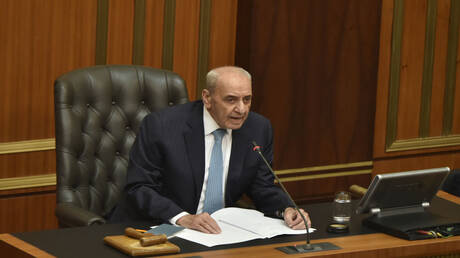
Lebanese Speaker of Parliament Nabih Berri reiterated his categorical rejection of direct negotiations with Israel ahead of the first meeting of the security track team stemming from the fourth round of Lebanese-Israeli negotiations. Berri pointed out that there are successful experiences in indirect negotiations that should be leveraged.
These statements come at a highly sensitive time, as tensions in the region are escalating. Berri's stance is part of Lebanon's strategy to maintain its sovereignty and rights in negotiations. He affirmed that Lebanon will not accept any form of concession regarding its rights, stressing the importance of indirect negotiations as an effective means.
Details of the Event
On the eve of the meeting, which aims to continue the fourth round of negotiations, Berri expressed confidence in Lebanon's ability to achieve positive results through indirect dialogue. He explained that this method has proven effective in many cases, making it the most suitable option at this time.
He also noted that direct negotiations could lead to unwarranted pressures on Lebanon, which contradicts the country's interests. Berri emphasized that Lebanon possesses the tools necessary to defend its rights in any future negotiations.
Background & Context
Historically, Lebanese-Israeli relations have been marked by ongoing tensions, with several rounds of negotiations yielding no tangible results. These relations have impacted the security situation in the region, making negotiations critically important.
In recent years, calls for dialogue between the two sides have increased, yet Lebanon has remained steadfast in its refusal to engage in any form of direct negotiations. This position is part of Lebanon's broader strategy to safeguard its rights in territorial waters and natural resources.
Impact & Consequences
Lebanon's continued rejection of direct negotiations may affect regional relations and could exacerbate tensions in the area. At the same time, this stance may open up new opportunities for indirect dialogue, potentially contributing to greater stability.
Berri's position may also receive support from some political forces in Lebanon, who view indirect negotiations as the safer option. However, the question remains as to how Israel will respond to this stance and whether it will accept indirect negotiations.
Regional Significance
Lebanon's position on negotiations with Israel reflects the challenges faced by Arab countries in dealing with regional issues. The ongoing tensions between Lebanon and Israel could impact stability across the entire region, highlighting the need for effective diplomatic solutions.
In this context, Arab countries must collaborate to enhance dialogue and negotiations, working towards peaceful solutions to existing conflicts. Lebanon's success in indirect negotiations could serve as a model for other countries in the region.