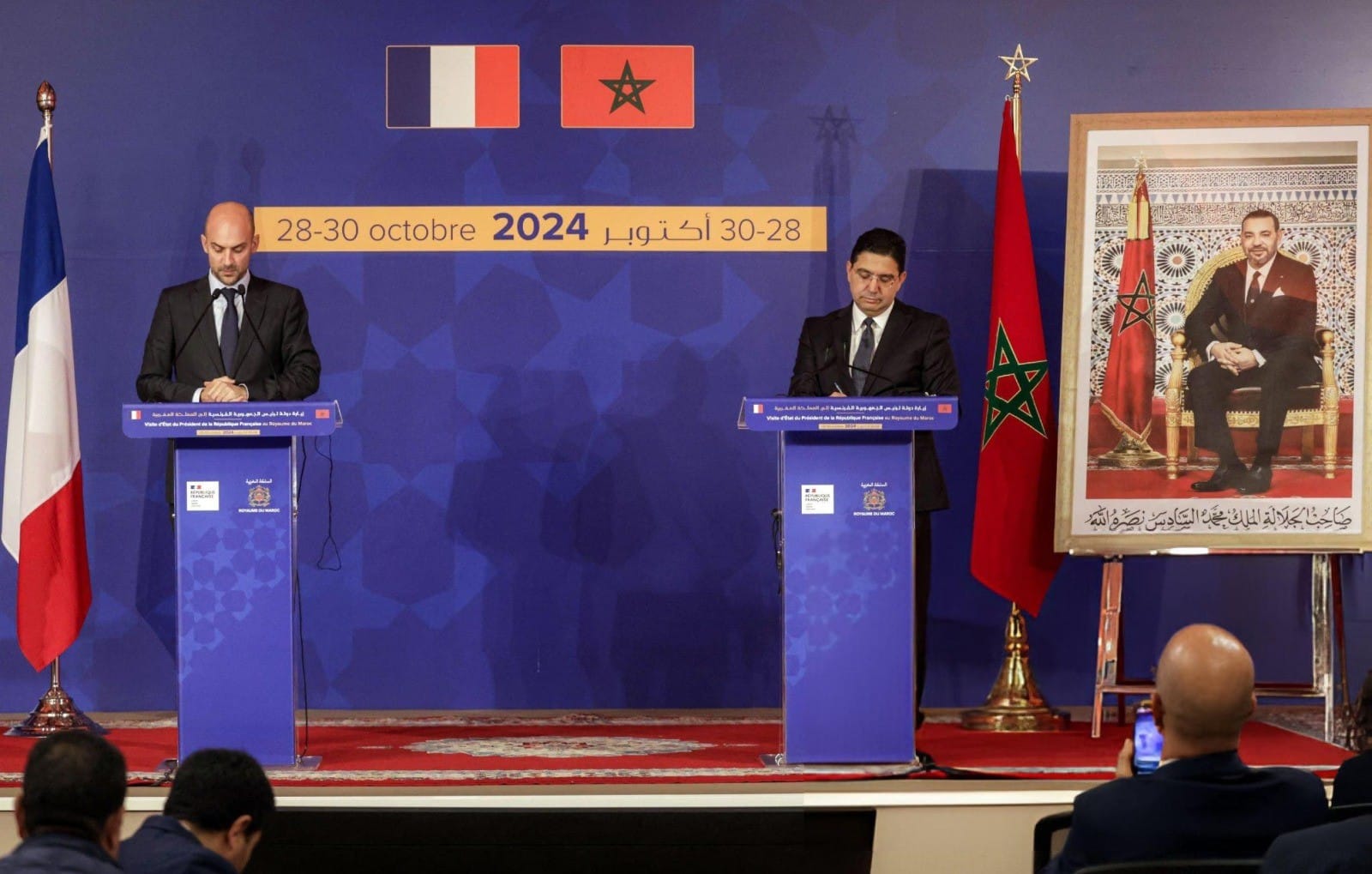
A French source has revealed the formation of a committee consisting of 11 members, chaired by former Foreign Minister Hubert Védrine, to draft a bilateral treaty between France and Morocco. The first version of the treaty is expected to be delivered in May, as part of the preparations for the anticipated state visit of King Mohammed VI to France.
This move comes at a time when cooperation between the two countries is witnessing notable development, as both sides seek to enhance bilateral relations in various fields, including economics, culture, and security. This project is considered part of ongoing efforts to deepen the historical ties between Morocco and France.
Details of the Initiative
The committee formed includes experts and representatives from the French government and is working on preparing the text of the treaty, which is expected to address a range of vital issues. The treaty is anticipated to cover areas of economic cooperation, knowledge exchange, and strengthening regional security.
The upcoming visit of King Mohammed VI to France holds particular significance, as it comes at a time when Morocco is looking to enhance its international partnerships amid the economic and political challenges facing the region. This meeting is seen as an opportunity to strengthen dialogue between the two countries on shared issues.
Background & Context
Historically, Moroccan-French relations have been strong, with deep cultural and economic ties linking the two countries. Morocco is one of France's key trading partners in North Africa, benefiting from French investments in various fields such as tourism and energy.
Over the years, the relationship between the two countries has experienced some tensions; however, ongoing diplomatic efforts have contributed to rebuilding trust and enhancing cooperation. This new treaty represents an additional step towards strengthening the strategic partnership between the two parties.
Impact & Consequences
This treaty is expected to have positive effects on economic relations between France and Morocco, potentially opening new avenues for investment and knowledge exchange. Additionally, enhancing cooperation in security areas could help address common challenges, such as terrorism and illegal immigration.
Furthermore, this treaty could improve Morocco's image in the international community, enhancing its role as a bridge between Europe and Africa. This may contribute to attracting more foreign investments to the country.
Regional Significance
The Moroccan-French relationship serves as a model for cooperation between Arab countries and Europe. This treaty could inspire other countries in the region to strengthen their partnerships with European nations, contributing to sustainable development.
Moreover, enhancing relations between Morocco and France could contribute to regional stability, as security and economic cooperation may help reduce tensions and promote peace.
In conclusion, this treaty represents an important step towards enhancing bilateral relations between Morocco and France, opening new horizons for cooperation in various fields. It is expected to have positive impacts at the regional and international levels, reflecting the importance of strategic partnerships in today's world.