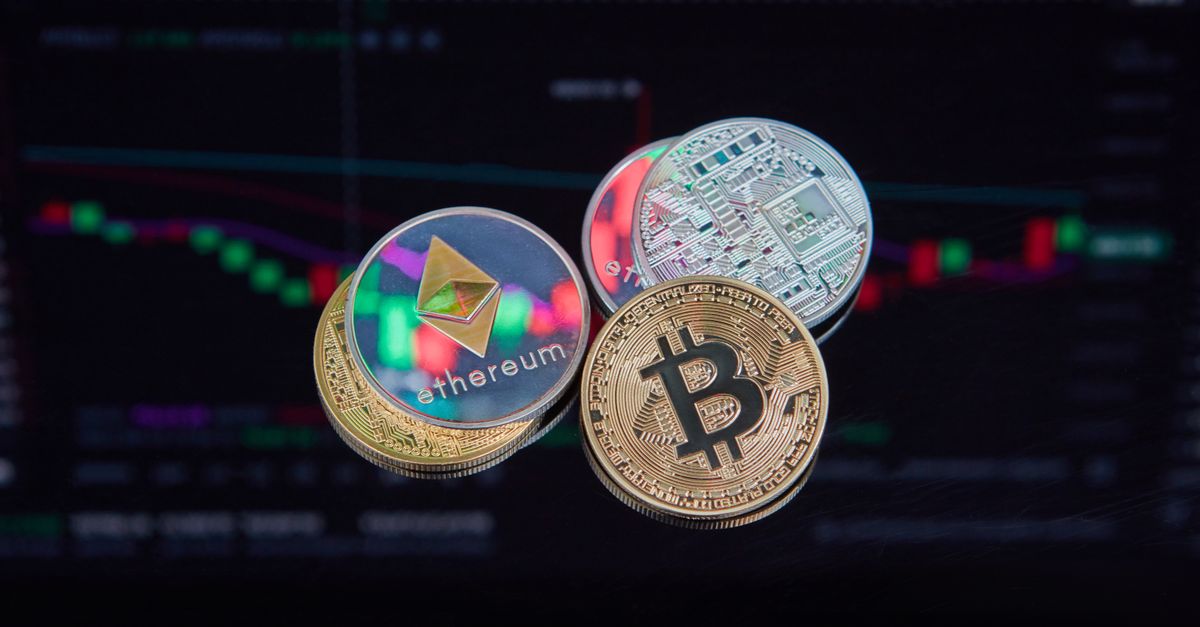
Bitcoin begins June with a sharp decline, losing its main market narrative as liquidity shifts to other assets. The leading cryptocurrency dropped by 13% this week, marking its worst week since February. This downturn reflects a state of uncertainty in the market, as investors seek to reduce risks and move their capital to markets with greater momentum or clear short-term catalysts.
Reports indicate that Bitcoin exchange-traded funds (ETFs) have recorded 13 consecutive days of outflows, the longest streak ever, with total assets in these funds decreasing from $107.8 billion on May 14 to $82.8 billion currently. These outflows are considered the main driver behind the increase in Bitcoin prices, explaining about 45% of the weekly return volatility.
Details of the Event
On Monday, Strategy, owned by Michael Saylor, revealed the sale of 32 Bitcoins for approximately $2.5 million, marking its first sale since 2022, which negatively impacted investor confidence. This shift from Saylor's motto of "don't sell Bitcoin" to using the treasury as a financing tool led to a significant price drop.
This sale accelerated long position liquidations, forcing platforms to sell traders' holdings to cover their losses. Cryptocurrency exchanges recorded $594 million in long position liquidations within 24 hours, increasing pressure on prices.
Background & Context
For several months, Bitcoin has deviated from its main narrative, no longer functioning as digital gold benefiting from geopolitical uncertainty, nor as a hedge against inflation. At the same time, stock markets have seen record highs, leading to a shift in capital to other markets such as semiconductor and technology sectors.
The value of companies like Advanced Micro Devices, Intel, and Micron has doubled this year, making them a preferred destination for investors seeking quick returns. Additionally, increasing interest in companies like SpaceX and Anthropic has heightened investor focus on growth opportunities.
Impact & Consequences
Analyses suggest that Bitcoin may face a prolonged period of stagnation, with analysts expecting the market to continue declining until prices reach levels below $40,000 by the end of October. This downturn could persist for several months, leaving traders stuck in a bearish market.
These dynamics are concerning, especially in the absence of new catalysts to support demand for Bitcoin. If the current trend continues, investors may need to reassess their strategies amid increasing competition from other markets.
Regional Significance
Bitcoin and cryptocurrencies, in general, are significant topics in the Arab region, where many Arab investors are looking to enter this market. With Bitcoin's decline, Arab investors may be significantly affected, prompting them to rethink their investments in digital currencies.
In these circumstances, it is crucial for investors to stay informed about market developments and make well-considered investment decisions.