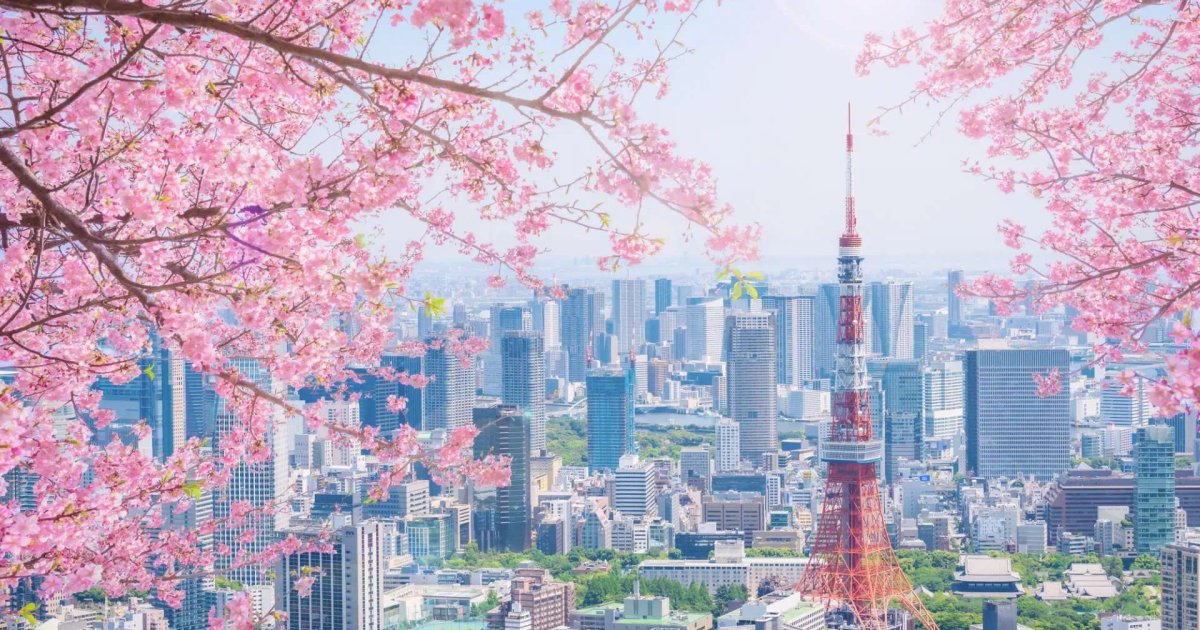
Cities around the world are adorned with vibrant spring colors as flowers bloom in stunning natural scenes from Tokyo to Mexico. This natural phenomenon attracts tourists and photographers globally, enhancing tourism and reflecting the beauty of nature across cultures.
In Tokyo, cherry blossom trees are dressed in pink flowers, which are considered a symbol of spring in Japan. Special festivals are held to celebrate the blooming of flowers, where people gather under the trees to enjoy the beauty of the landscapes. On the other hand, in Mexico, kalanchoe and begonia flowers bloom, adding a cheerful atmosphere to the streets and gardens.
Event Details
The period of flower blooming in spring is one of the most anticipated times for many, showcasing nature in its most splendid forms. In Tokyo, the cherry blossom season is known as "Hanami," an ancient Japanese tradition that dates back centuries. This tradition is seen as an opportunity to celebrate the beauty of nature and foster social connections.
In Mexico, the vibrant colors of flowers are considered part of the local culture, used in various celebrations and occasions. Flowers symbolize life and renewal, making them a significant focus in arts and music.
Background & Context
Historically, the blooming of flowers in spring is linked to seasonal changes, with spring symbolizing new beginnings and growth. In many cultures, flowers are seen as symbols of beauty and love, making them a popular subject in literature and art. In Japan, cherry blossoms symbolize nostalgia and fleeting beauty, while in Mexico, flowers are used in religious rituals and folk celebrations.
The timing of flower blooming is influenced by climatic conditions, where temperatures and rainfall affect when flowers appear. In recent years, some regions have experienced changes in blooming times due to climate change, raising concerns among scientists and environmentalists about the impact on ecosystems.
Impact & Consequences
The blooming of flowers in spring is not just a natural event; it has significant economic and cultural impacts. In Tokyo, the cherry blossom season is an opportunity to boost tourism, as tourists flock from around the world to enjoy the sight of the flowers. This event contributes to supporting the local economy through increased spending in restaurants, hotels, and shops.
In Mexico, flowers are part of cultural identity, used in arts and crafts. The interest in flowers enhances cultural pride and promotes cultural tourism, helping to preserve cultural heritage.
Regional Significance
Although the blooming of flowers in spring is a global event, it has specific impacts on the Arab region. In many Arab countries, spring is considered a season for celebrations and festivals, with events held to celebrate the beauty of nature. This phenomenon can be leveraged to enhance eco-tourism in Arab countries, contributing to supporting the local economy.
In conclusion, the blooming of flowers in spring symbolizes beauty and renewal, reflecting the cultural and natural diversity around the world. It is important to continue celebrating the beauty of nature and work towards preserving it for future generations.