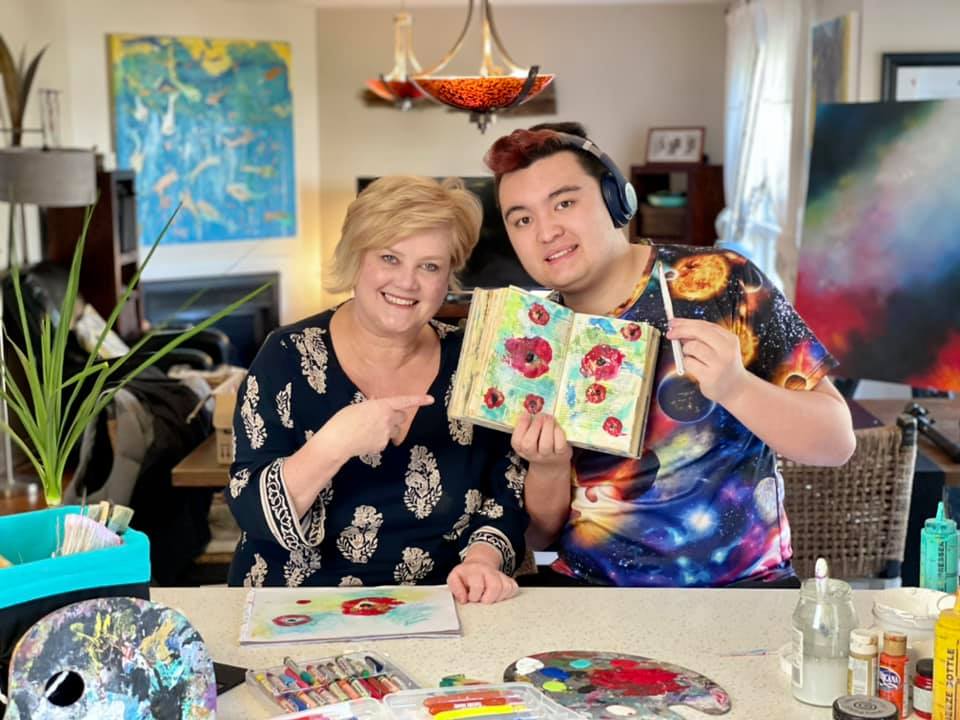
Egyptian artist Ahmed Rizk has launched his new project, 'Blue Color', which aims to integrate autistic children into society through arts and interactive activities. This project comes as part of increasing efforts to raise awareness about autism and provide support for children and their families, as it seeks to change the negative perceptions that these children may face.
The project targets children with autism and their families, offering a range of artistic and recreational activities designed to enhance communication and social interaction skills. The program includes art workshops, theatrical performances, and sports activities, helping children express themselves better.
Event Details
Ahmed Rizk, known for his distinctive artistic works, emphasized that 'Blue Color' is not just an artistic project but a humanitarian journey aimed at changing the lives of children and their families. He pointed out that the arts play a vital role in developing children's skills, making it easier for them to integrate into society.
Rizk also added that the project aims to engage the local community in supporting children and their families by organizing events aimed at raising awareness about autism. This project is considered an important step towards achieving social inclusion and providing the necessary support for children who require special care.
Background & Context
Autism is a developmental disorder that affects communication and behavior, typically appearing in childhood. Statistics indicate that the number of children diagnosed with autism is continuously increasing, necessitating intensified efforts to provide the necessary support and care for them. In many Arab countries, there is still a lack of awareness and knowledge about autism, leading to the marginalization of these children.
The 'Blue Color' project comes at a critical time, as civil and artistic communities strive to promote the rights of children with special needs. The project aims to change the negative stereotypes associated with autism and enhance understanding and acceptance within society.
Impact & Consequences
The 'Blue Color' project is expected to have a positive impact on the lives of children and their families, providing them with a platform to express themselves and participate in social activities. It also contributes to raising community awareness about the importance of supporting children with special needs.
Moreover, the success of the project could encourage more similar initiatives in the region, enhancing efforts to integrate children with special needs into society. This is seen as a step towards achieving a more inclusive and accepting community.
Regional Significance
The 'Blue Color' project serves as a model in the Arab region, inspiring other artists and institutions to adopt similar initiatives. Given the challenges faced by Arab communities regarding the rights of children with special needs, this project represents a glimmer of hope for improving the living conditions of these children.
In conclusion, the 'Blue Color' project demonstrates how the arts can play a pivotal role in changing the lives of children with special needs, reflecting the community's commitment to supporting and integrating them into daily life.