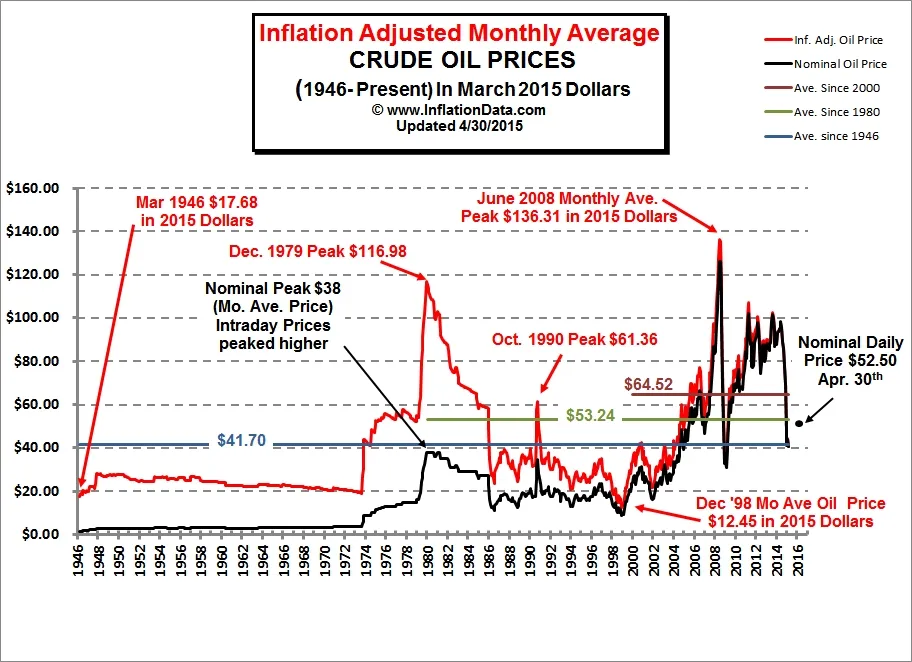
U.S. bond traders are abandoning their bets on rising inflation and are now concentrating on potential economic growth risks due to soaring oil prices. This shift comes amid increasing concerns about the impact of high energy prices on the global economy.
As oil prices continue to rise, investors have begun to reassess their strategies, with a greater emphasis on the most influential economic factors, such as economic growth. This shift reflects a state of uncertainty in financial markets, where investors seek to protect their assets from potential risks.
Details of the Event
In recent weeks, oil prices have seen a significant increase, raising investor concerns about its impact on economic growth. Bond traders, who previously bet on rising inflation, are now redirecting their investments towards assets that may provide greater protection in changing economic conditions.
This shift comes at a time when financial markets are experiencing considerable volatility, as investors strive to understand how oil prices affect both the U.S. and global economies. At the same time, pressures are mounting on central banks to adjust their monetary policies in light of these changing circumstances.
Background & Context
Historically, oil prices have played a pivotal role in shaping the trajectories of the global economy. In recent years, we have witnessed how rising oil prices can lead to increased living costs, putting pressure on both households and businesses. Conversely, falling oil prices can stimulate economic growth, making it essential to understand the relationship between oil prices and economic growth.
In recent years, financial markets have undergone significant changes, with inflation emerging as a key issue of concern for investors. However, rising oil prices may alter this dynamic, necessitating a reevaluation of the risks and opportunities available.
Impact & Consequences
The rise in oil prices can have widespread effects on both the U.S. and global economies. If prices continue to climb, it could lead to a slowdown in economic growth, affecting both companies and consumers. In this context, central banks may be forced to take stringent measures, such as raising interest rates, which could increase borrowing costs and impact investment.
Furthermore, rising oil prices could lead to increased inflation, putting pressure on households and reducing their spending power. This could result in a slowdown in economic growth, making it crucial for policymakers to respond to ensure economic stability.
Regional Significance
For the Arab region, rising oil prices can have dual effects. On one hand, oil-producing countries may benefit from increased revenues, bolstering their economies. On the other hand, oil-importing countries may face economic challenges due to rising energy costs.
In this context, it becomes essential for Arab countries to adopt diverse strategies to address these challenges, whether through enhancing economic diversification or improving energy efficiency. A coordinated regional response is also necessary to ensure economic stability.