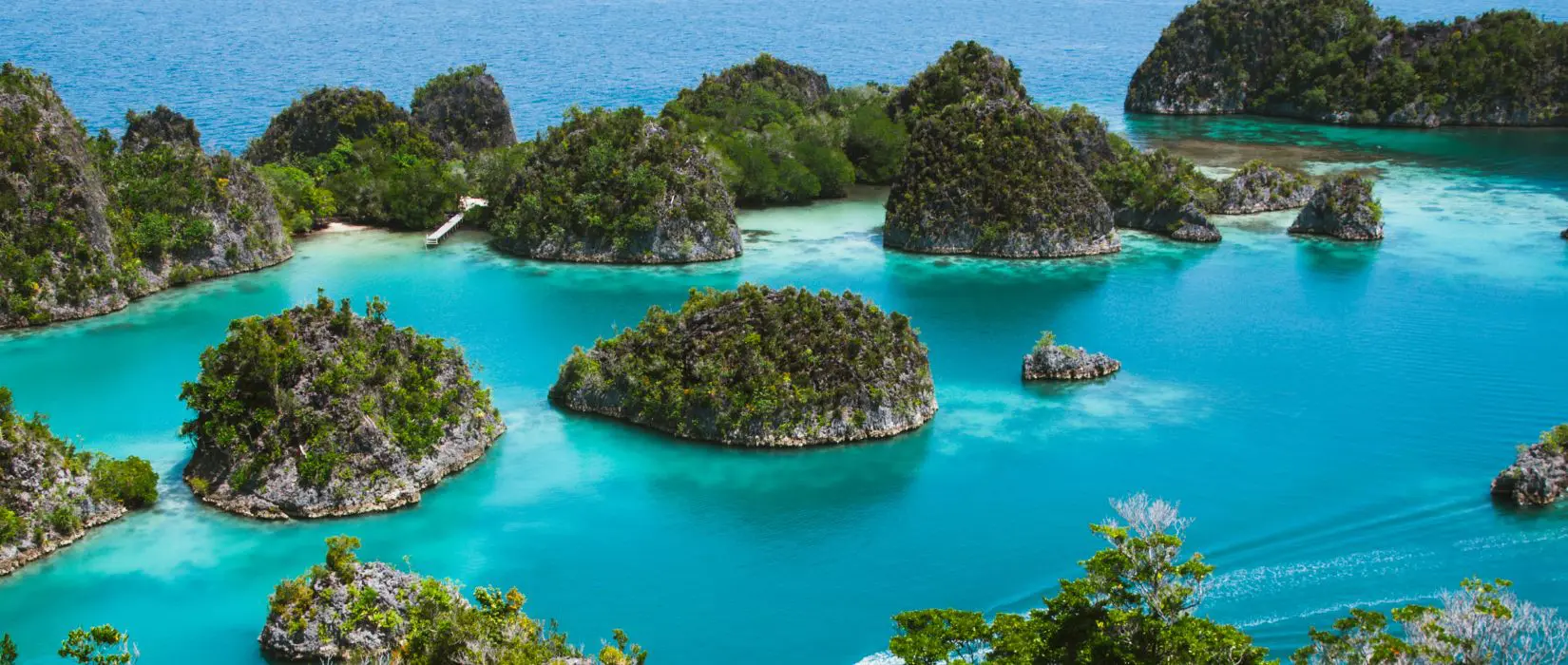
PERURI reported that collaboration among 15 government institutions in Raja Ampat, Indonesia, has resulted in a significant increase in the revenues of Badan Usaha Milik Desa (BUMDes) by 87.5%. This announcement was made by the company's Public Relations Head, Adi Sonardi, during a press conference in Jakarta.
Sonardi noted that this collaboration is part of a social and environmental responsibility program aimed at achieving sustainable value for local communities. The program was implemented in Motus Village, where support was provided to eight members of BUMDes, contributing to enhancing their management capabilities and increasing their revenues.
Event Details
The program also included strengthening the capacities of environmental conservation groups by providing training and certifications in diving. Additionally, environmental projects were executed, including the planting of 2000 mangrove seedlings and the rehabilitation of coral reefs through the planting of 650 coral pieces over an area of 225 square meters.
Furthermore, electricity was supplied to 119 homes, benefiting approximately 500 individuals. In the education sector, YPK Effata Mutus School received support through the renovation of educational facilities and access to the internet, while SMPN 11 Raja Ampat was provided with computers, solar panels, and educational books.
Background & Context
Raja Ampat is considered one of Indonesia's popular tourist destinations, renowned for its natural beauty and biodiversity. However, many local communities face economic and social challenges. Therefore, initiatives like this aim to improve living conditions and promote sustainable development.
Historically, there have been multiple efforts to enhance development in remote areas of Indonesia, but these efforts often faced difficulties due to a lack of resources and support. However, collaboration among government institutions can contribute to achieving tangible positive outcomes.
Impact & Consequences
This initiative demonstrates how collaboration between the public and private sectors can contribute to improving economic and social conditions. By supporting BUMDes, the capacity of local communities to manage their resources better and increase their revenues is enhanced, which contributes to improving the standard of living.
Moreover, the focus on environmental conservation reflects a growing awareness of the importance of protecting the environment. By planting mangroves and rehabilitating coral reefs, the local ecosystem is strengthened, benefiting both local communities and the environment as a whole.
Regional Significance
Although this news pertains to Indonesia, it carries valuable lessons for Arab countries. Arab nations can benefit from similar experiences to promote sustainable development in local communities, especially in remote areas. Collaboration between government institutions and local communities can lead to similar positive outcomes.
In conclusion, this collaboration among government institutions in Indonesia serves as a model for promoting sustainable development and improving living conditions. Strengthening partnerships between the public and private sectors can contribute to achieving positive results for local communities worldwide.