Yum Brands, the owner of the Taco Bell restaurant chain, has released its financial results for the first quarter of the year, achieving a net profit of $432 million, which translates to $1.55 per share, compared to $253 million, or $0.90 per share during the same period last year.
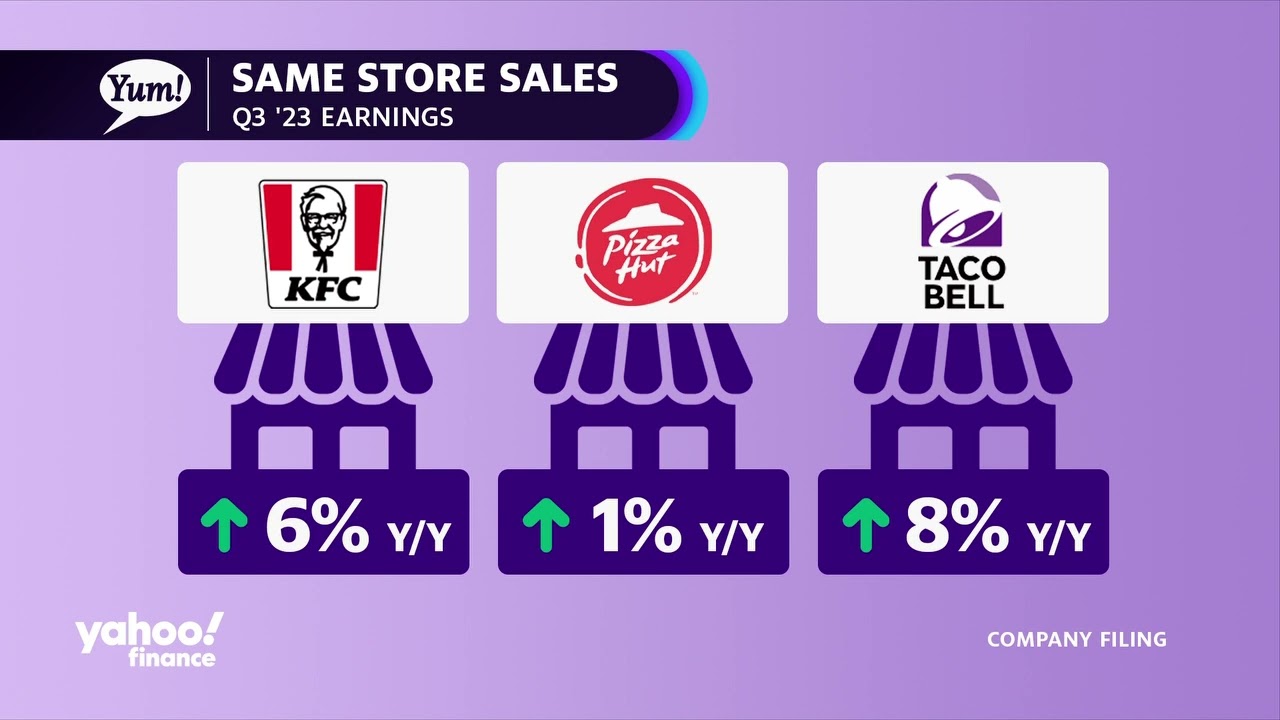
This positive outcome is fueled by Taco Bell's growth, which recorded an 8% increase in same-store sales, surpassing analysts' expectations of 5.6%. Additionally, the company's net sales rose by 15%, reaching $2.06 billion.
Event Details
Taco Bell is one of the standout brands in Yum Brands' portfolio and has significantly contributed to the company's financial performance. Last year, Yum Brands acquired over 100 locations of Taco Bell in the southeastern United States, aiming to accelerate growth and enhance profitability.
While the KFC restaurant chain experienced a 2% growth in same-store sales, this figure fell short of expectations, which were set at 2.5%. KFC's sales in the U.S. market also saw a 2% decline during the first quarter.
Background & Context
Founded in 1997, Yum Brands is one of the largest fast-food companies in the world, managing well-known brands such as Pizza Hut, Taco Bell, and KFC. Over the years, the company has faced multiple challenges, particularly amid fierce competition in the fast-food market.
Last November, Yum Brands announced it would explore strategic options for the Pizza Hut chain, which has suffered from declining performance. Several investment firms have expressed interest in acquiring Pizza Hut, reflecting changing trends in the fast-food market.
Impact & Consequences
The results from Yum Brands demonstrate that a focus on innovation and providing affordable options can lead to positive outcomes. For instance, KFC is benefiting from Taco Bell's successful strategies by enhancing menu innovation and offering competitive pricing.
These results also indicate the importance of adapting to changing consumer needs, as customers seek more diverse and affordable food options. Under these circumstances, other companies in the sector may need to reassess their strategies to remain competitive.
Regional Significance
Fast-food companies like Yum Brands are key players in the Arab market, continuing to expand their presence in the region. With the increasing demand for quick food options, these companies may benefit from the innovations they offer in their menus.
The successes of Yum Brands in the U.S. markets could influence its strategies in the Arab region, potentially leading to increased investments in brand development and branch expansion.
Yum Brands remains a model for achieving success in a competitive market. As it continues to innovate and meet customer needs, the company is expected to maintain positive results in the future.