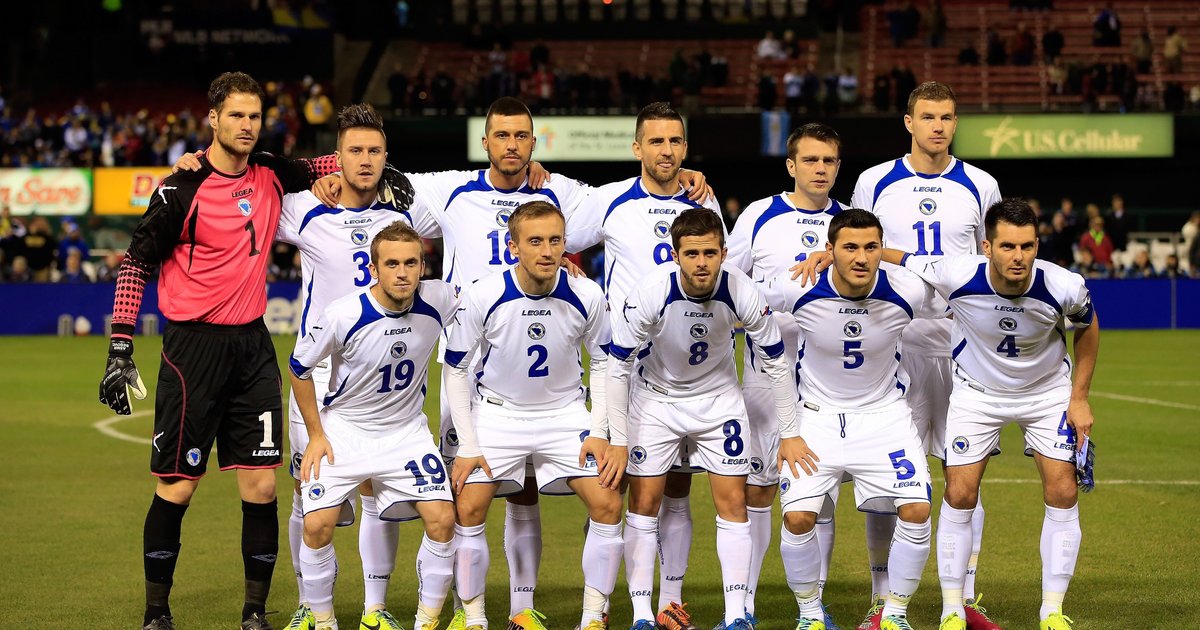
Bosnia and Herzegovina's national team has qualified for the 2026 World Cup after a surprising victory over their Italian counterparts, achieving a historic milestone in their football history. This qualification reflects the decline of the Italian national team, which has failed to qualify for the tournament for the third consecutive time, raising concerns about the future of football in Italy.
In an exciting match, Bosnia and Herzegovina displayed a strong performance, capitalizing on opportunities effectively, while the Italian team struggled with poor performance and an inability to score. This victory marks a turning point in Bosnian football history, as the national team secures its place in the world's largest sporting event.
Match Details
The match took place in a charged atmosphere, with Italian fans hoping to see their team qualify after previous disappointments. However, Bosnia and Herzegovina had other plans, managing to score two goals in the first half, putting pressure on the Italian team. Despite Italy's attempts to come back in the match, the Bosnian defense was solid, preventing any goals from being scored.
This qualification comes after a long journey of hard work and development in Bosnian football, where the country has invested in developing young talents and improving sports infrastructure. These investments have proven their worth through the national team's outstanding performance in the qualifiers.
Background & Context
Historically, football in Bosnia and Herzegovina has faced significant challenges, especially following the conflicts that the country experienced in the 1990s. However, over time, the country began to rebuild itself in the sports arena, witnessing a notable evolution in Bosnian football. The national team's qualification for the 2014 World Cup was a turning point, showcasing to the world that Bosnia is capable of competing at the highest levels.
Conversely, the Italian national team is experiencing a decline in performance, having failed to qualify for the 2018 and 2022 World Cups, raising concerns among fans and analysts about the team's future. This decline comes at a sensitive time, as the Italian Football Federation seeks to rebuild the team and improve performance in upcoming tournaments.
Impact & Consequences
Bosnia and Herzegovina's qualification for the 2026 World Cup carries significant implications on both a sporting and political level. This moment represents pride for the Bosnian people and reflects the country's ability to overcome difficulties. Additionally, this achievement may boost national spirit and increase support for sports in the country.
On the other hand, the repeated failures of the Italian national team are under scrutiny, necessitating a reevaluation of the strategies employed in player development and team management. This may lead to radical changes in the coaching and administrative staff of the team.
Regional Significance
Bosnia and Herzegovina's qualification for the World Cup could have a positive impact on Arab countries, reflecting the possibility of achieving sports accomplishments despite challenges. This story can serve as an inspiration for Arab nations striving to develop their sports and achieve success on the international stage.
Furthermore, success in football can enhance relationships between countries, as matches can strengthen cultural and sporting ties between peoples.
In conclusion, Bosnia and Herzegovina's qualification for the 2026 World Cup marks a significant milestone in football history, reflecting the development of the game in the country, while presenting new challenges for the Italian team that require a reconsideration of its strategies.