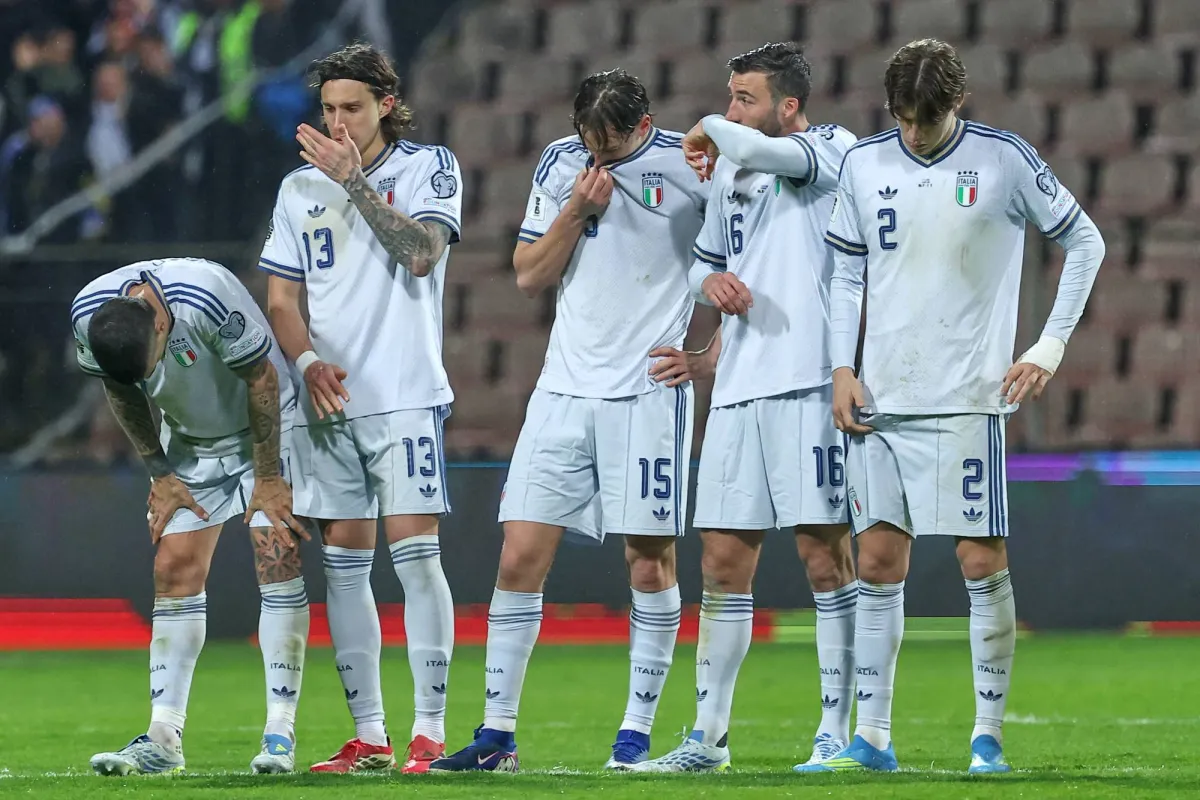
The Bosnia and Herzegovina national team has qualified for the 2026 FIFA World Cup after a thrilling victory over Italy in a penalty shootout, winning 4-1. The match ended in a 1-1 draw after both regular and extra time, showcasing dramatic moments throughout. This result reflects Italy's failure to qualify for the World Cup for the third consecutive time, raising questions about the future of Italian football.
In the details of the match, Italy took an early lead through Moise Kean, who scored the first goal in the first half. However, Italy faced a significant setback when defender Alessandro Bastoni was sent off in the 30th minute, which greatly affected their performance. Despite being a man down, Bosnia managed to equalize in the dying moments of regular time, with their goalkeeper Kenan Pirić scoring the equalizer.
Match Details and Penalty Shootout
During the penalty shootout, Bosnia displayed strength and confidence, successfully converting four penalties, while Italian players missed three attempts, leading to their elimination from the competition. This qualification represents a significant achievement for Bosnia, which will participate in the World Cup in Group B alongside Canada, Qatar, and Switzerland.
In another context, friendly matches saw strong preparations from other teams, with the Netherlands drawing with Ecuador 1-1, and the Czech Republic defeating Denmark in a penalty shootout 3-1, highlighting the fierce competition among European teams.
Historical Context and Background
Historically, Italy has been one of the major powers in global football, having won the title four times. However, the recent failures to qualify for the World Cup reflect a decline in the team's performance. Meanwhile, Bosnia is witnessing a noticeable improvement in its performance, indicating a rise in the level of football in the region.
Bosnia's qualification also marks a turning point in its history, as it will participate in the World Cup for the first time since 2014, reflecting the efforts made to develop the game in the country. This success also enhances Bosnia's status in the European sports arena.
Consequences and Future Implications
Bosnia's qualification serves as a strong message to other teams in the region, highlighting the potential for success despite challenges. Italy's exit may lead to radical changes in the coaching and administrative staff of the national team, as officials seek to rebuild the team and improve performance.
This event may also impact fans, as many feel disappointment over their national team's performance. However, Bosnia's qualification can inspire other teams in the region, boosting the spirit of competition.
Significance for the Arab Region
Bosnia's qualification reflects the development of football in countries that have suffered from instability, indicating the importance of sports in promoting unity and understanding among peoples. Additionally, Bosnia's success may encourage Arab countries to invest in the development of their sports, especially in light of the challenges they face.
In conclusion, this event represents an opportunity to reflect on the future of football in the region, where sports can serve as a means of expressing national identity and strengthening ties between countries.