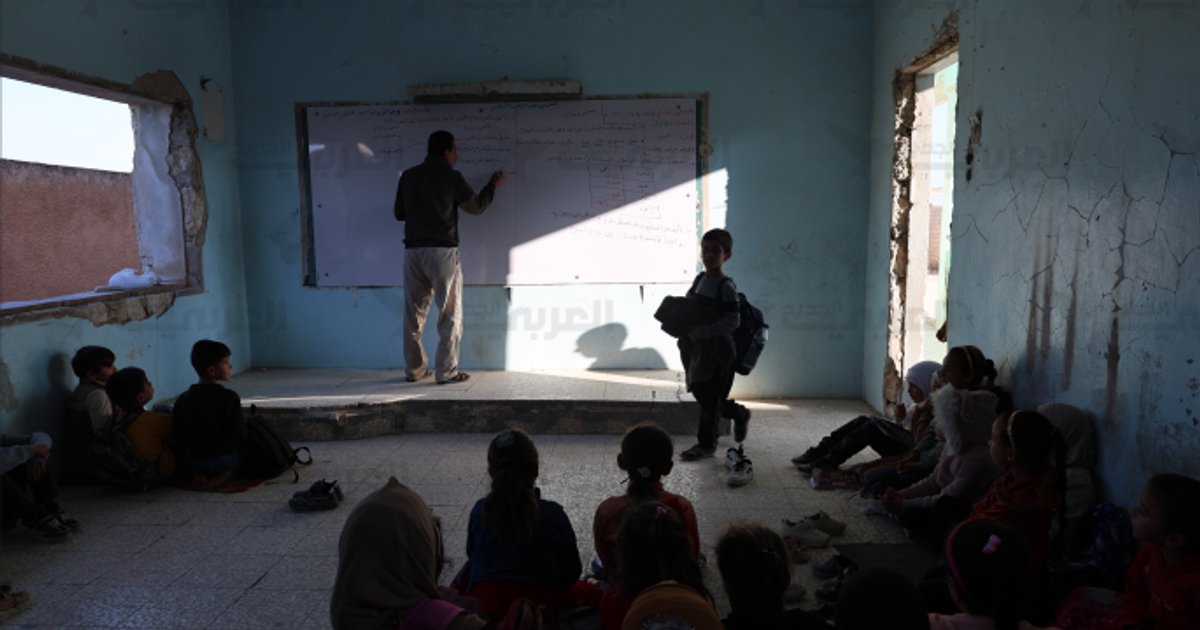
The interruption of education marks the beginning of a poverty cycle, intertwining economic and social effects that create a vicious cycle of skill decline and reduced productivity. This issue significantly impacts individuals and communities, adversely affecting economic growth and sustainable development.
Studies indicate that individuals who receive quality education have better opportunities in the job market, as their skills enhance their productivity. Conversely, dropping out of education leads to a decline in these skills, reflecting a reduced competitiveness of individuals in the labor market.
Event Details
Various reasons contribute to educational interruption, including poverty, lack of schools, or social and political circumstances. In many countries, children struggle to access quality education, perpetuating the cycle of poverty across generations. Economic crises also lead to budget cuts in education, exacerbating the problem.
Statistics show that a significant percentage of children in certain regions do not complete their basic education, resulting in widespread illiteracy and high unemployment rates. This phenomenon requires urgent intervention from governments and civil society to ensure education for all.
Background & Context
Historically, education levels have been linked to poverty rates in many countries. As education levels rise, poverty rates tend to decrease. However, current challenges necessitate new strategies to overcome barriers to achieving inclusive education.
Effective educational policies are fundamental in breaking the poverty cycle. Governments must invest in education as a key tool for achieving economic and social development. Additionally, collaboration between countries and international organizations can contribute to improving educational conditions in the poorest areas.
Impact & Consequences
The consequences of educational interruption lead to negative effects on the national economy. As skills decline, productivity decreases, impacting economic growth. Moreover, high unemployment rates among uneducated individuals increase social pressures and lead to rising crime and poverty.
Furthermore, communities suffering from educational deficiencies face challenges in achieving sustainable development. Education is key to improving quality of life, enhancing civic engagement, and achieving gender equality.
Regional Significance
In the Arab region, many countries face significant challenges in education. Political and economic crises negatively impact the educational system, increasing dropout rates. Armed conflicts in some countries have led to the destruction of educational infrastructure, exacerbating the poverty issue.
These challenges require an urgent response from governments and the international community to ensure the right to education for all. Comprehensive strategies must be in place to improve education quality and provide opportunities for all children, regardless of their social or economic circumstances.
In conclusion, the absence of education poses a significant challenge that requires the concerted efforts of all stakeholders. Education is the only way to break the cycle of poverty and achieve sustainable development in Arab communities.