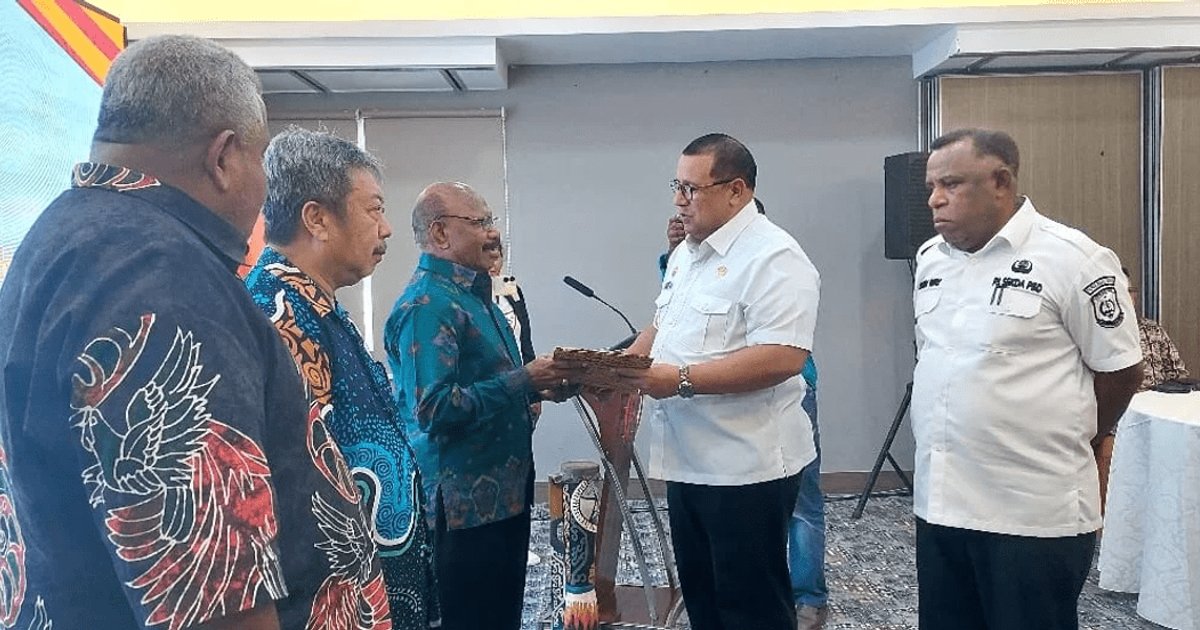
The Central Papua government in Indonesia has announced a new initiative aimed at enhancing community participation in shaping the autonomy program (Otsus) and the government work vision (RKPD) for 2027. This initiative is part of the government's efforts to ensure that development is more inclusive and directly impacts the lives of citizens.
In a statement, the head of the Planning, Development, Research, and Innovation Agency in Central Papua, Elizer Yuji, confirmed during the development planning meeting (Musrenbang) held in Nabire that this meeting aims to achieve consensus among priority development programs in the province and the relevant authorities, focusing on the use of funds allocated for autonomy.
Details of the Event
Approximately 600 participants from eight districts in Central Papua, including Nabire, Mimika, and Paniai, gathered at this meeting, reflecting the importance of involving the local community in the planning process. Community leaders, youth, and women were invited to participate in formulating development plans, demonstrating the government's commitment to promoting justice and inclusivity in development.
Elizer Yuji also noted that this meeting serves as a platform to ensure that autonomy funds are directed towards programs that directly benefit the community, particularly in the areas of education, health, economy, and infrastructure. This approach aims to achieve tangible results that will benefit citizens.
Background & Context
Historically, the Papua region has faced significant challenges in development and economic empowerment, with recurring criticisms regarding the inadequacy of government programs to meet the needs of local populations. However, the introduction of the autonomy system in the region years ago has opened new opportunities to enhance local development, but the challenge lies in how to achieve this effectively.
Involving the local community in the planning process is considered a positive step towards achieving sustainable development, as it can contribute to improving the quality of life for residents by directly addressing their needs. This direction also reflects the government's desire to enhance transparency and accountability in resource management.
Impact & Consequences
This initiative is expected to strengthen trust between the government and the local community, potentially leading to increased community participation in the future. Additionally, involving various groups in the planning process can contribute to improving the quality of development programs, as priorities are set based on the actual needs of the community.
Moreover, focusing on education, health, and infrastructure can help improve living conditions for residents, thereby enhancing social and economic stability in the region. The success of this initiative depends on the ongoing commitment from all stakeholders to ensure effective implementation of the programs.
Regional Significance
This initiative serves as a model that many Arab countries facing similar challenges in development and community participation can benefit from. Enhancing the role of the local community in policy formulation can contribute to achieving sustainable development and strengthens governments' ability to meet their citizens' needs.
Amid the economic and social challenges faced by many Arab countries, promoting transparency and community participation can have a positive impact on stability and development in the region.