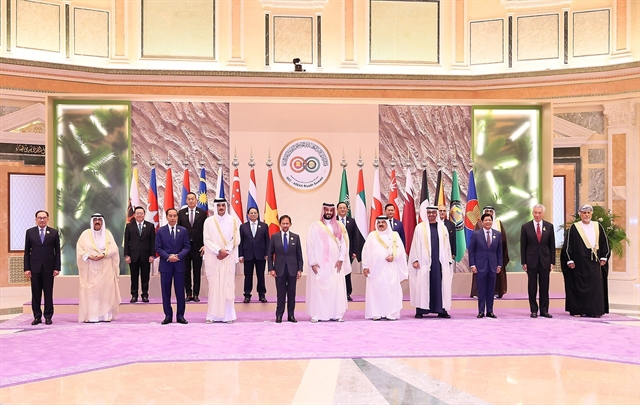
Saudi Arabia is hosting a consultative summit for leaders of the Gulf Cooperation Council, aiming to enhance unity and coordination to address increasing regional challenges. This summit comes at a critical time that necessitates collective efforts among member states.
The summit gathers leaders from the six member states of the Gulf Cooperation Council, which include Saudi Arabia, the United Arab Emirates, Kuwait, Oman, Qatar, and Bahrain. The meeting will address security, political, and economic issues that concern the region, amid the changing circumstances on the regional stage.
Event Details
The summit's agenda includes discussions on several vital issues, including regional security, terrorism challenges, and economic cooperation. Additionally, the efforts of member states in confronting common challenges will be reviewed, along with enhancing collaboration in defense and security fields.
Leaders are also expected to discuss recent developments in the region, including political and economic crises affecting the stability of member states. This summit follows a series of previous meetings aimed at strengthening cooperation among Gulf countries.
Background & Context
The Gulf Cooperation Council was established in 1981 to enhance cooperation among member states in various fields, including politics, economics, and security. In recent years, significant challenges have emerged, such as regional conflicts and economic crises, making the need for coordination among member states more urgent.
Historically, Gulf summits have served as a platform for exchanging views and enhancing cooperation, but current circumstances require a swift and effective response to address the growing challenges. The current summit reflects the commitment of member states to work together to confront these challenges.
Impact & Consequences
This summit represents an opportunity to strengthen cooperation among member states, which could contribute to improving security and stability in the region. Through effective coordination, Gulf countries can better face common challenges, enhancing their ability to influence the regional and international arenas.
Moreover, the outcomes of the summit could lead to strengthened economic relations among member states, contributing to sustainable development. Cooperation in areas such as energy and trade could open new avenues for economic growth.
Regional Significance
The consultative summit for Gulf Cooperation Council leaders is a significant step towards enhancing stability in the Arab region. Amid regional tensions, cooperation among Gulf countries serves as a model for other Arab nations.
The results of the summit could improve relations among Arab countries and enhance Arab solidarity, reflecting the importance of unity in facing common challenges. Additionally, coordination among Gulf states may positively impact the security and economic situations in neighboring countries.