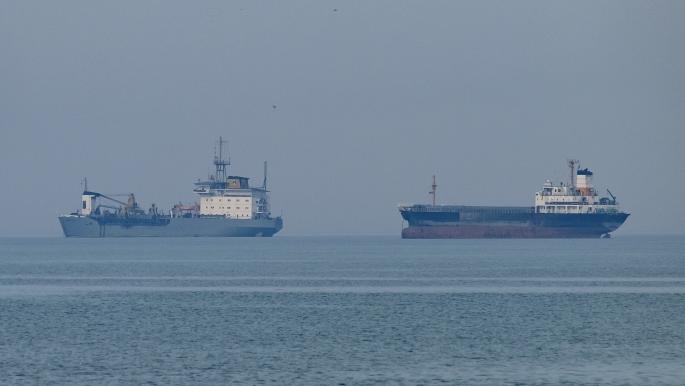
News continues to emerge regarding the escalating oil storage crisis in Iran, with reports indicating a notable rise in the number of Iranian oil tankers idling in the Gulf. This situation raises alarms about Iran's capacity to sustain oil production as its facilities approach maximum capacity.
These developments signal major challenges facing Iran in the oil sector, which is a primary source of revenue. While the country seeks to enhance its production capabilities, the sanctions imposed on it appear to have negatively impacted its ability to export oil, leading to accumulation in its storage tanks.
Details of the Situation
According to reports, the number of Iranian oil tankers navigating the Gulf waters has significantly increased, with these vessels piling up while waiting to load oil. This scenario reflects Iran's inability to export sufficient quantities of oil, placing it in a precarious position. Furthermore, the country's storage facilities are nearing their maximum capacity, threatening to halt production if swift solutions are not found.
Concerns are rising that the continuation of this situation could lead to a production stoppage, which would have severe repercussions for the Iranian economy. Iran heavily relies on oil revenues, and any decline in production could directly impact its public budget.
Background & Context
Historically, Iran has suffered from international economic sanctions that have significantly affected its oil sector. Since the United States withdrew from the nuclear agreement in 2018, new sanctions have been imposed on Iranian oil exports, resulting in a substantial decrease in export volumes. These sanctions have made it difficult for Iran to find new markets for its oil, increasing pressure on its storage facilities.
In recent years, Iran has attempted to strengthen its relationships with other countries such as China and Russia, but these efforts have not been sufficient to offset the losses incurred due to sanctions. Additionally, the decline in global oil prices has complicated the situation further, making it challenging for Iran to achieve adequate profits from its exports.
Impact & Consequences
If the storage crisis persists, Iran may face a crippling economic crisis. A production halt could lead to job losses and rising unemployment rates, potentially sparking public discontent. Moreover, a decline in oil revenues will affect the government's ability to fund its development and social projects.
Furthermore, a production stoppage could negatively impact regional stability. Iran plays a significant role in the global oil market, and any reduction in its production could lead to increased prices worldwide, affecting the economies of other countries.
Regional Significance
Arab oil-producing countries, such as Saudi Arabia and the UAE, are likely to benefit from any decline in Iranian oil production. An increase in prices due to supply shortages could enhance the revenues of these nations. However, any tension in relations between Iran and Arab countries may escalate situations in the region, raising concerns about the outbreak of new conflicts.
In conclusion, the oil storage crisis in Iran poses a significant challenge not only to the Iranian economy but also to regional stability. Iran must take urgent steps to address this crisis before matters worsen further.