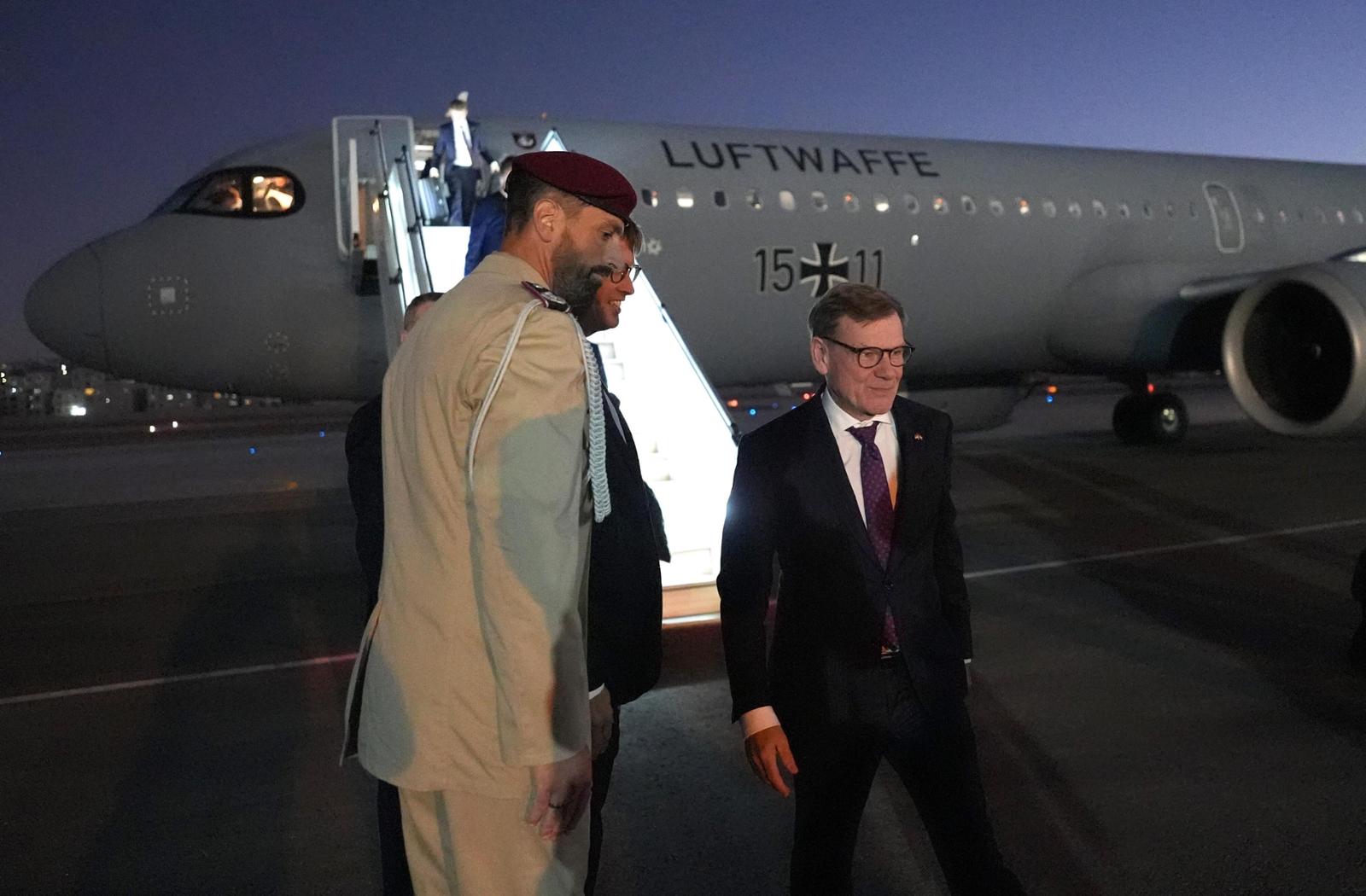
German Foreign Minister Johan Wadephol is on an official visit to Morocco aimed at strengthening the strategic relations between Germany and Morocco. The anticipated meeting with his Moroccan counterpart Nasser Bourita is part of a biennial strategic dialogue that reflects both sides' commitment to deepening cooperation across various fields.
This visit comes at a time when economic cooperation between Berlin and Rabat is witnessing unprecedented growth, as Germany seeks to enhance its partnerships with African countries, particularly Morocco, which serves as a gateway to African markets. The strategic dialogue aims to discuss ways to bolster cooperation in the fields of economy, security, and culture.
Key Details of the Visit
The meeting between Wadephol and Bourita is set to address a range of important issues, including enhancing German investments in Morocco and expanding cooperation in renewable energy and modern technology. Additionally, the discussions will focus on ways to strengthen trade relations between the two countries, which have seen a notable increase in recent years.
This visit is part of Germany's strategy to enhance its presence on the African continent, aiming to capitalize on the economic opportunities available in the growing African markets. Morocco, with its strategic geographical location, plays a pivotal role in this strategy, making it a key partner for Germany in the region.
Background & Context
Historically, the relations between Germany and Morocco have been strong, witnessing significant development since the beginning of the new millennium. In recent years, official visits between officials from both countries have increased, contributing to enhanced cooperation across multiple sectors. Morocco is also considered one of Germany's key partners in combating terrorism and illegal immigration, reflecting the importance of security cooperation between the two nations.
Germany aims to strengthen its role as an economic power in Africa, viewing Morocco as a launching point for this strategy. In recent years, trade relations between the two countries have experienced substantial growth, with exports and imports rising significantly, indicating the increasing trust between German and Moroccan companies.
Impact & Consequences
Wadephol's visit to Morocco is a strategic step that reflects the new directions of German foreign policy towards Africa. This visit is expected to contribute to enhancing German investments in Morocco, benefiting the Moroccan economy and creating new job opportunities.
Furthermore, strengthening economic relations between the two countries may help improve the economic situation in the region, as cooperation between Germany and Morocco could lead to the creation of new partnerships in technology and renewable energy, enhancing Morocco's ability to achieve sustainable development.
Regional Significance
The strong relations between Germany and Morocco serve as a model for Arab-European cooperation. These relations could inspire other Arab countries to strengthen their partnerships with European nations, contributing to economic development and stability in the region.
Moreover, enhancing cooperation between Morocco and Germany may contribute to bolstering security and stability in North Africa, as collaboration in security and counter-terrorism could improve the security conditions in the region.
In conclusion, Wadephol's visit to Morocco reflects Germany's commitment to strengthening its relations with African countries and underscores Morocco's importance as a strategic partner in achieving sustainable development.