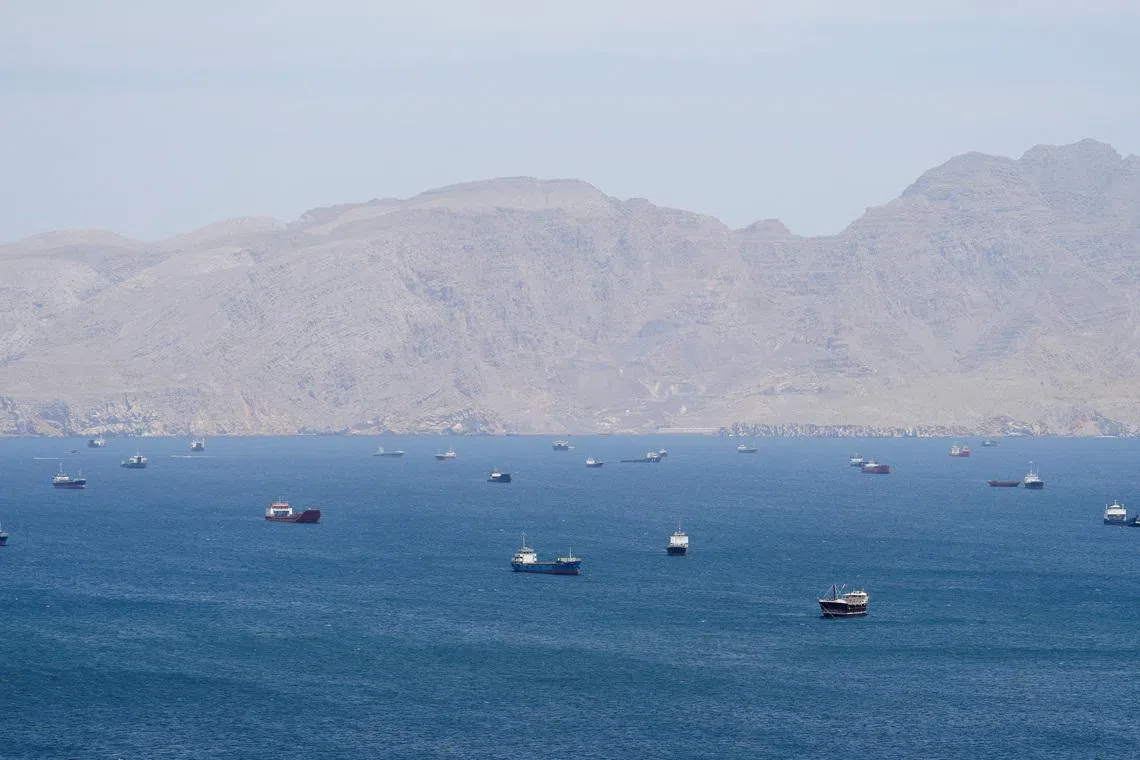
Amid increasing tensions on the international stage, international officials have underscored the importance of maintaining the security of vital maritime routes, which serve as the lifeblood of global trade. These remarks come at a time of growing concern regarding global maritime security, particularly with the escalation of threats from regional conflicts.
Strategic passages such as the Strait of Hormuz and Bab el-Mandeb are crucial transit points for a significant percentage of oil and natural gas, making their security an urgent necessity to ensure the stability of global markets and protect national economies.
Details on Maritime Security Cooperation
In their statements, officials stressed the importance of international cooperation in securing these routes, noting that the increasing threats from piracy and conflicts require a coordinated response from the concerned nations. They also highlighted the need to enhance naval capabilities to protect national interests.
The significance of intelligence sharing among countries to bolster maritime security was also discussed, with proposals for establishing new cooperation mechanisms to ensure a swift and effective response to any emerging threats.
Background & Context
Historically, maritime routes have been of interest to major powers, serving as strategic points for trade and transportation. With the rise of geopolitical tensions, these routes have become more susceptible to threats, as seen in the increasing tensions between Iran and the United States in the Strait of Hormuz, which has affected navigation.
The ongoing geopolitical dynamics have led to a reevaluation of security measures in these critical areas, prompting nations to reconsider their maritime strategies to address the evolving threats effectively.
Impact & Consequences
The implications of failing to secure maritime routes extend beyond national borders, potentially affecting the global economy as a whole. Continued threats could lead to rising oil and gas prices, impacting countries, especially those that rely heavily on these resources. Furthermore, instability may heighten tensions between nations, potentially leading to military conflicts.
As the international community grapples with these challenges, the need for a unified approach to maritime security becomes increasingly clear, as the repercussions of inaction could be dire for global trade and economic stability.
Regional Significance
The security of maritime routes is not just a national concern but a regional imperative that affects multiple countries and their economies. The interconnectedness of global trade means that disruptions in one area can have ripple effects worldwide, highlighting the need for collaborative efforts to ensure the safety of these vital passages.
In conclusion, securing maritime routes is an urgent necessity for maintaining international peace and security, directly impacting the global economy and the stability of nations reliant on these crucial trade pathways.