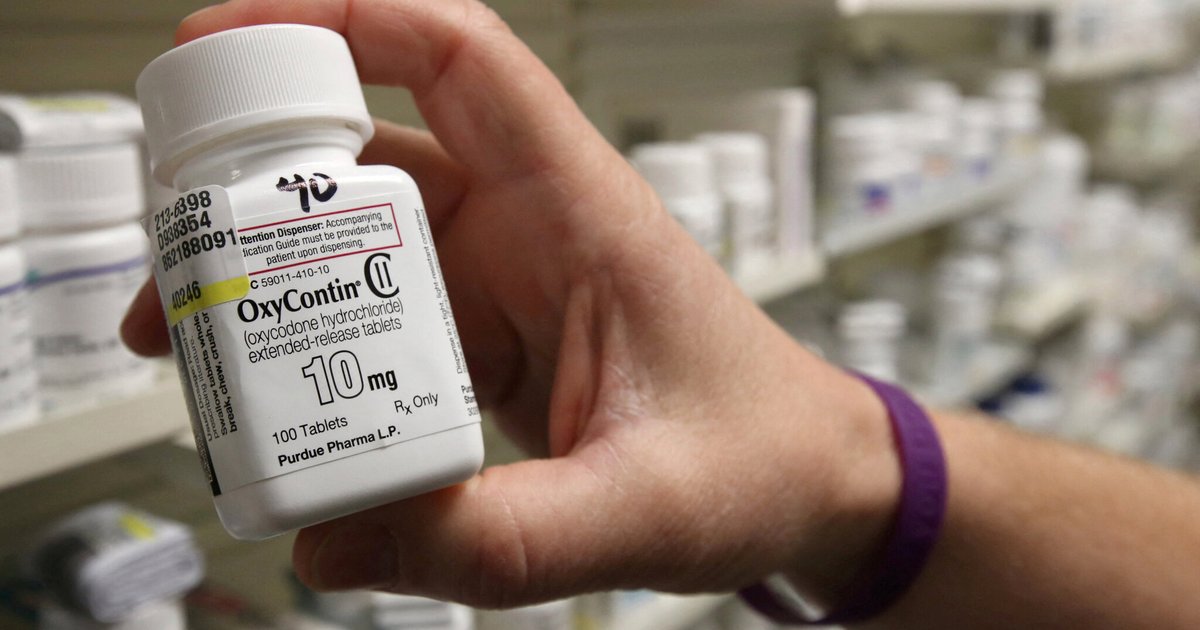
A U.S. court has issued a criminal ruling against Purdue Pharma, known for producing OxyContin, which may represent a crucial step towards dismantling the company. This ruling comes in the context of rising legal and social pressures on pharmaceutical manufacturers, accused of contributing to the opioid crisis that has claimed many American lives.
Purdue Pharma was founded in 1892 and gained widespread notoriety after launching OxyContin in 1996. However, the company soon faced severe criticism for its aggressive marketing of the drug, which led to a significant increase in addiction and overdose cases.
Details of the Ruling
The court ruling imposes substantial financial penalties on the company, along with criminal sanctions that could lead to its dissolution. This ruling is part of broader efforts to hold accountable companies that contribute to the opioid addiction crisis, which has become a public health emergency in the United States.
Calls from civil society and local governments for accountability of companies promoting addictive medications are growing. Reports indicate that over 500,000 people have died in the U.S. due to opioid overdoses since 1999.
Background & Context
The roots of the opioid crisis trace back to the 1990s when pharmaceutical companies began aggressively marketing pain-relieving medications. OxyContin was promoted as a safe option for chronic pain management, leading to a dramatic increase in its use. Over time, the addictive effects began to manifest among users, prompting many governments to take legal action against manufacturers.
In 2020, the U.S. Congress passed legislation aimed at enhancing oversight of opioid medications. Additionally, programs were established to assist addicts in recovery, but challenges remain as addiction rates continue to rise.
Impact & Consequences
The ruling against Purdue Pharma is seen as a turning point in efforts to combat the opioid crisis. This decision may encourage more victims to file lawsuits against manufacturers, potentially opening the door for further legal accountability. Furthermore, this ruling could influence how medications are marketed in the future, as companies may need to reassess their marketing strategies to avoid legal liabilities.
As the legal landscape evolves, the implications of this ruling could resonate throughout the pharmaceutical industry, prompting a reevaluation of ethical practices in drug promotion.
Regional Significance
The implications of the ruling extend beyond Purdue Pharma, as it sets a precedent for other pharmaceutical companies facing similar scrutiny. The decision may inspire regulatory bodies to impose stricter guidelines on the marketing of opioid medications, aiming to prevent future crises.
In conclusion, the ruling against Purdue Pharma not only addresses past grievances but also signals a potential shift in how the pharmaceutical industry operates in relation to public health concerns.