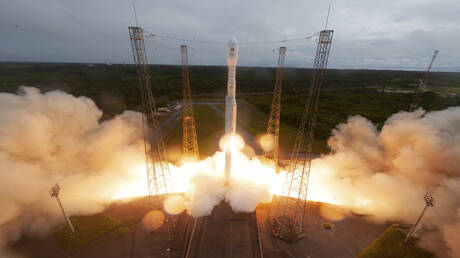
The European Spaceflight newspaper has reported that the launch costs of the European Vega C light rocket surpass those of Russian and Indian rockets in the same category, raising concerns about the competitiveness of the European space industry.
This information is particularly intriguing given the growing competition in the space sector, where major nations are striving to enhance their space capabilities through the development of new rockets. The Vega C rocket is part of the European Space Agency's efforts to expand its range of services in space, but it faces significant challenges regarding costs.
Cost Comparison of Vega C
The Vega C rocket, designed to be lightweight and efficient, aims to meet the increasing market demand for satellite launches. However, reports indicate that the launch costs for this rocket exceed those of Russian and Indian rockets, which may impact its attractiveness to potential customers.
The launch cost of the Vega C ranges from 30 to 40 million euros, while the launch costs for Russian and Indian rockets in the same category range from 20 to 30 million euros. This cost disparity may lead customers to opt for more economical options.
Background & Context
Historically, Europe has been a leader in the space sector, having launched numerous successful missions. However, in recent years, the European space industry has faced increasing competition from other countries, such as Russia and India, which have been able to offer launch services at competitive prices.
The European Space Agency is seeking to strengthen its position in the global market, but economic challenges may affect its ability to attract customers. It is crucial for the agency to adopt new strategies to improve cost efficiency and enhance competitiveness.
Impact & Consequences
This cost gap could have negative effects on the European space industry, as the Vega C rocket may lose market share to more economical options. This situation could reflect on future investments in European space projects.
Moreover, increasing competition may push European agencies to enhance their technologies and provide innovative solutions to reduce costs. This could potentially lead to a boost in innovation within the space industry as a whole.
Regional Significance
This issue highlights the challenges facing the European space industry amid growing global competition, necessitating a reevaluation of strategies to enhance competitiveness.
As the landscape of the space sector continues to evolve, it is essential for European stakeholders to address these challenges proactively to maintain their relevance and leadership in the industry.