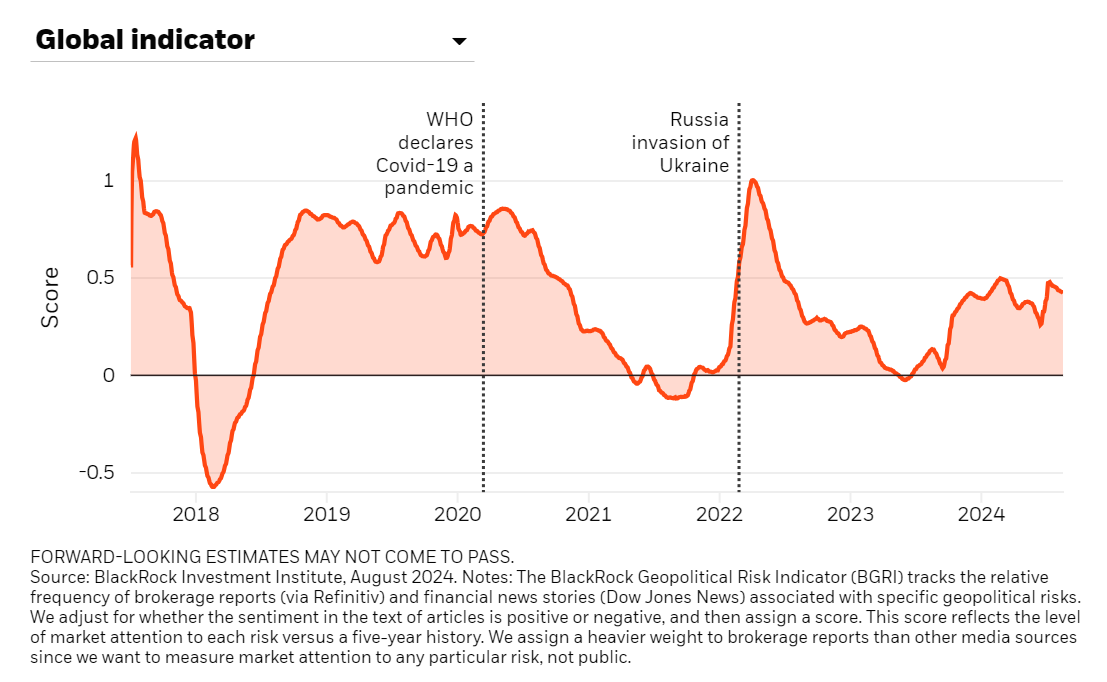
Financial markets are currently facing a fragile balance as political tensions rise in several regions, while investors are closely monitoring monetary policy decisions that could significantly impact economic trends. These conditions are causing concern among market participants.
In this environment, investors are encountering multiple challenges, including uncertainty regarding future monetary policies and geopolitical tensions that may affect economic stability. Attention is directed towards major central banks, which are expected to announce crucial decisions in the near future.
Details of the Situation
Pressure on financial markets is increasing due to escalating political tensions, particularly in areas such as the Middle East and Europe. These tensions are affecting investor confidence, leading to price volatility. At the same time, markets are awaiting decisions from central banks, such as the U.S. Federal Reserve and the European Central Bank, which could significantly influence interest rates and liquidity in the markets.
Fears are growing that these tensions could lead to an economic slowdown, prompting central banks to take unconventional measures to support the economy. In this context, analysts anticipate changes in monetary policy that may impact investments and financial markets overall.
Background & Context
Historically, financial markets have been significantly affected by political tensions, where political crises lead to sharp price fluctuations. For instance, markets have experienced severe declines during periods of political unrest in the Middle East, impacting oil prices and other commodities.
In recent years, markets have become more sensitive to political changes, with financial markets increasingly linked to geopolitical events. This trend requires investors to be more cautious in their decision-making, especially in light of the prevailing uncertainty.
Impact & Consequences
Political tensions can lead to widespread economic repercussions, affecting both foreign and domestic investments. If these tensions persist, we may witness a decline in economic growth and an increase in unemployment rates.
Moreover, anticipated monetary policy decisions could lead to changes in interest rates, affecting borrowing and investment costs. This could result in a slowdown in economic activity, negatively impacting financial markets.
Regional Significance
The Arab region is one of the most affected areas by political tensions, where political crises impact economic stability. Under these circumstances, Arab governments must take effective measures to support the economy and enhance market confidence.
Additionally, changes in global monetary policy could directly affect Arab economies, requiring decision-makers in the region to be prepared to adapt to these changes to ensure market stability.
In conclusion, amidst rising political tensions and anticipation of monetary policy decisions, the balance in financial markets remains fragile. Investors and policymakers must be aware of the upcoming challenges and take proactive steps to navigate the changing conditions.