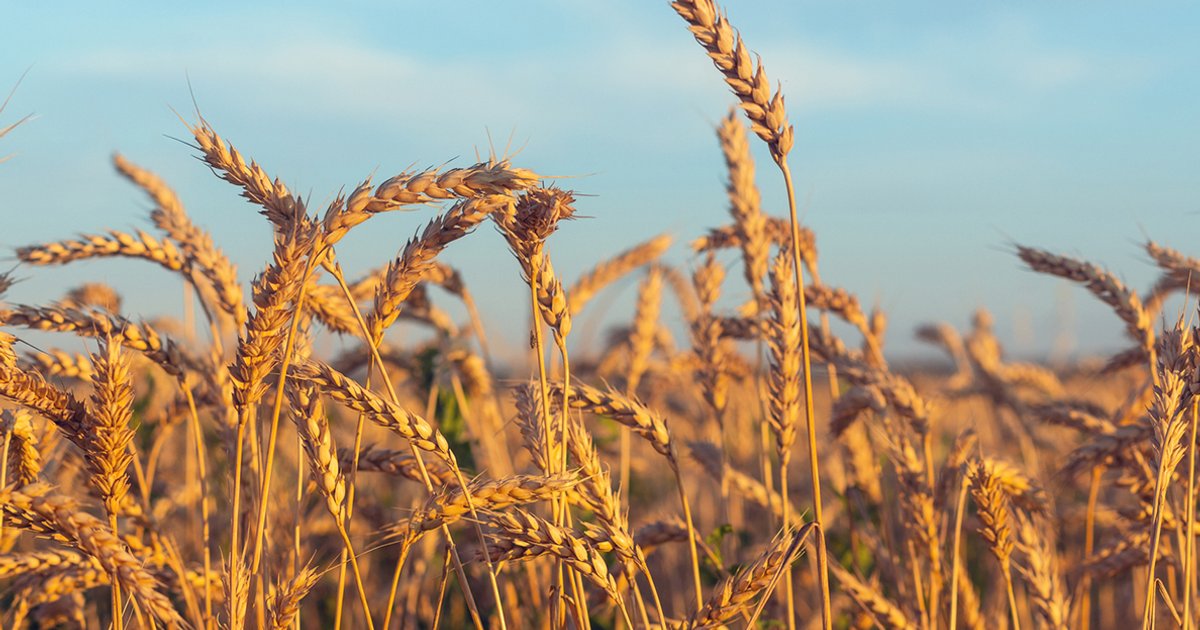
The Desert Research Center has achieved a scientific breakthrough that represents a qualitative leap in the cultivation of strategic crops, successfully increasing wheat productivity in high salinity soils. This achievement aligns with the directives of the Minister of Agriculture and Land Reclamation, Alaa Farouk, who emphasized the importance of addressing agricultural challenges in desert areas.
Over the past three years, the center has implemented a series of research programs and experimental fields aimed at finding innovative solutions to national agricultural problems, focusing on exploiting saline lands. A team of scientists has succeeded in updating innovative techniques, the result of years of experiments and research.
Details of the Achievement
Dr. Hossam Shawki, head of the Desert Research Center, announced that the new techniques include an integrated fertilization system based on nanotechnology and bio-fertilizers. This system has proven effective in addressing challenges of soil and water salinity, particularly in the cultivation of strategic crops like wheat.
This system has been applied in the New Valley and North Sinai governorates, achieving remarkable positive results. Irrigation water with salinity levels reaching 7,000 parts per million was used, contributing to exceptional productivity.
Background & Context
Soil and water salinity are among the most significant challenges facing agriculture in Egypt, especially in desert areas. With increasing pressure on water resources, it has become essential to develop new agricultural technologies that ensure the sustainability of agricultural production.
The Ministry of Agriculture seeks to enhance sustainable agricultural production by adopting innovative strategies. This achievement reflects the government's commitment to developing the agricultural sector and achieving food security.
Impact & Consequences
This achievement represents an important step towards improving crop productivity in saline-affected lands, contributing to reducing dependence on freshwater. Additionally, the use of nanotechnology and bio-fertilizers opens new horizons for agricultural development in desert areas.
Experts affirm that these technologies can help improve crop quality and increase efficiency, positively impacting food security in Egypt.
Regional Significance
This experience serves as a model for Arab countries facing similar agricultural challenges. These innovations can contribute to enhancing food security in the region, especially under changing climatic conditions.
In conclusion, this achievement represents a significant step towards achieving sustainable agricultural development and reflects Egypt's efforts to address environmental and agricultural challenges.