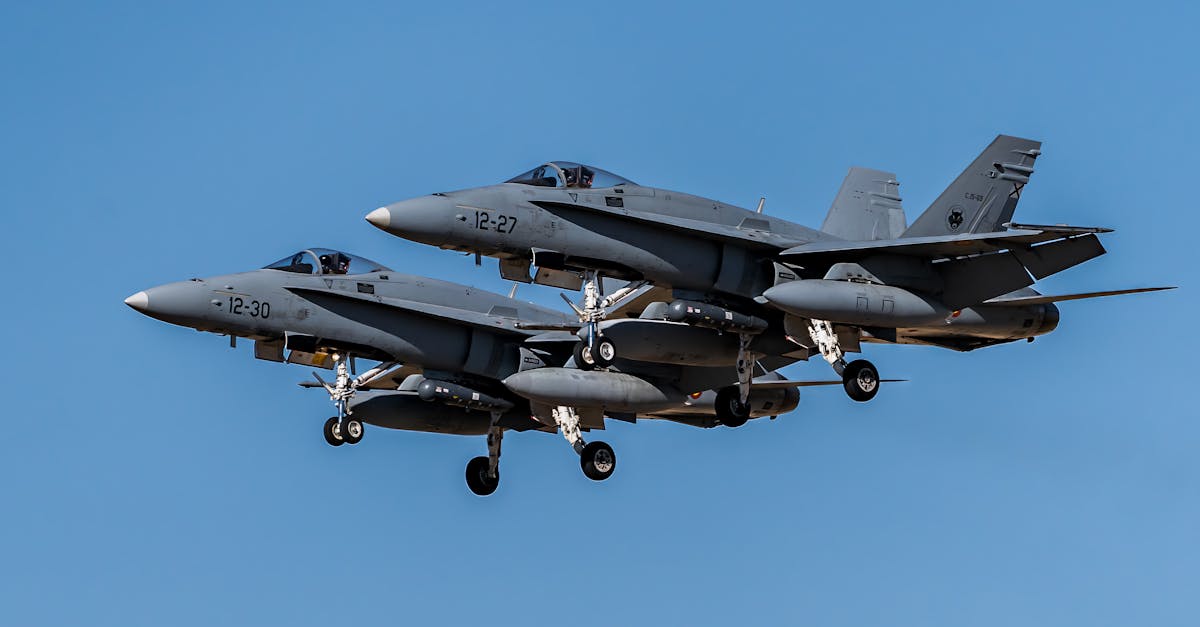
The British government has officially stated that it will not permit the use of its military bases for any operations aimed at Iranian infrastructure. This declaration arises during a period of heightened tensions between Iran and Western countries, raising questions about Britain's role in regional conflicts.
This move comes at a sensitive time, as fears of potential military escalation in the region are increasing. The British Ministry of Defence has confirmed that any use of its bases must comply with international laws and the ethics of warfare.
Details of the Announcement
In an official statement, a spokesperson for the British Ministry of Defence clarified that the government is committed to the principles of non-intervention in conflicts that could exacerbate situations. The spokesperson also indicated that Britain aims to maintain regional stability through diplomacy and dialogue.
This decision follows reports that some Western nations were considering using their military bases as part of their strategies to counter Iranian threats. However, it appears that Britain prefers a more cautious approach.
Background & Context
Historically, relations between Iran and Western countries have been strained, especially after the United States withdrew from the nuclear agreement in 2018. Since then, the region has witnessed an escalation in military actions and hostile rhetoric.
Iran is considered a key player in the Middle East, seeking to expand its influence by supporting armed groups in Iraq, Syria, and Lebanon. This has made it a target for many Western nations concerned about its growing impact on regional security.
Impact & Consequences
This British decision is expected to affect the military strategies of other Western nations. Some countries may worry that the lack of access to British bases could weaken their ability to respond to Iranian threats.
Furthermore, this decision may reflect a shift in British policy towards greater caution in handling military issues, which could impact relations with its traditional allies.
Regional Significance
For Arab nations, this decision could have multiple implications. Countries facing threats from Iran may feel anxious about the lack of sufficient military support from Western allies.
Additionally, this decision may open the door for more dialogue between Iran and Arab nations, potentially contributing to a reduction in regional tensions.
In conclusion, it seems that Britain is striving to maintain its position as a supporter of peace and stability in the region, despite the significant challenges it faces.