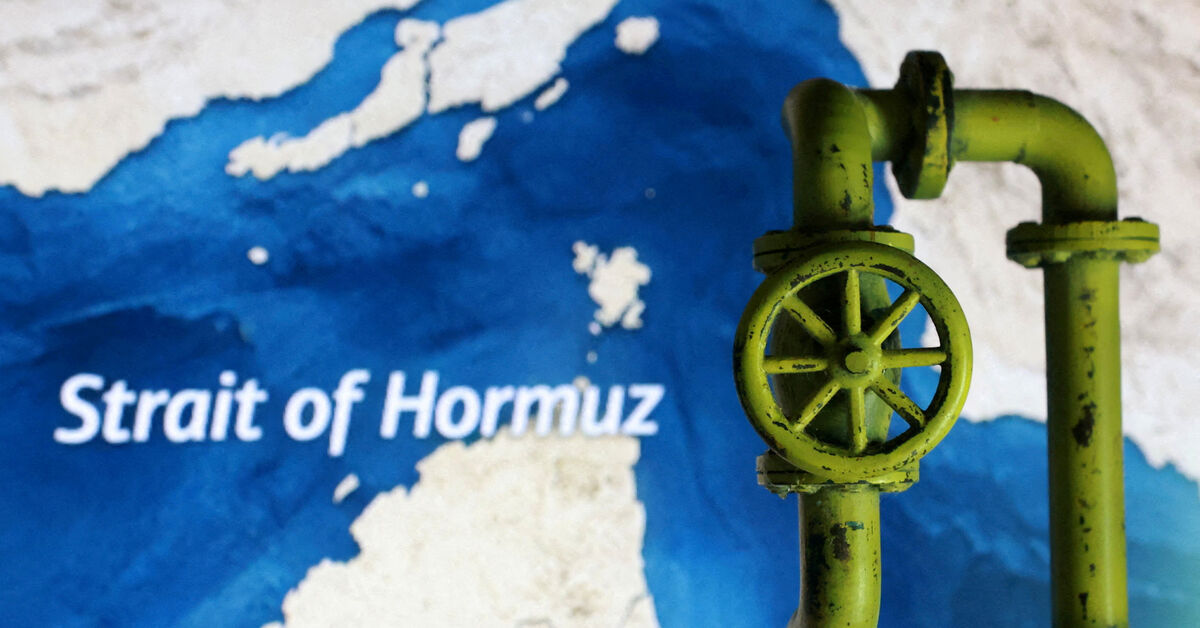
Britain is preparing to host significant talks next Thursday, bringing together 35 countries with the goal of forming an international coalition focused on reopening the Hormuz Strait. This move comes in response to controversial statements made by U.S. President Donald Trump, who asserted that securing this vital waterway is the responsibility of other nations.
These discussions are part of a growing international effort to ensure the safety of navigation in the Hormuz Strait, which is one of the world's most important waterways, through which approximately 20% of global oil trade passes. Recent tensions in the region have raised significant concerns among the involved nations, prompting them to seek collective solutions.
Details of the Event
Through these talks, Britain aims to enhance international cooperation in maritime security, gathering representatives from various countries to discuss effective strategies for protecting navigation in the Hormuz Strait. The discussions are expected to cover issues related to security threats and the coordination of efforts among nations to ensure the safety of commercial vessels.
This initiative comes at a sensitive time, as the region has witnessed escalating tensions between Iran and the United States, directly impacting navigation in the strait. Organizers hope that these talks will yield tangible results that contribute to regional stability.
Background & Context
The Hormuz Strait is a vital transit point for oil, with millions of barrels passing through it daily. The region has seen increasing tensions in recent years, especially following the U.S. withdrawal from the Iranian nuclear deal in 2018. This has led to heightened tensions between Iran and Western nations, affecting navigation in the strait.
In recent years, several vessels have been attacked in the area, raising concerns about navigation safety. Some countries, including the United States, have responded by sending naval forces to the region to enhance security, but these efforts have not been sufficient to alleviate concerns.
Impact & Consequences
If the talks succeed in forming an effective international coalition, it could lead to improved security in the Hormuz Strait, contributing to the stability of global oil markets. Additionally, cooperation among nations may help reduce tensions in the region, benefiting all parties involved.
However, the success of these talks depends on the participating countries' ability to overcome their political differences and unify their efforts. The challenges facing the region are not simple and require long-term strategies to ensure security and stability.
Regional Significance
The Gulf Arab states, including Saudi Arabia, the UAE, and Qatar, are among the most affected by the tensions in the Hormuz Strait, as their economies heavily rely on oil exports. Therefore, any improvement in the security situation in the strait will have a positive impact on the economies of these countries.
Moreover, stability in navigation in the strait will contribute to enhancing trade relations between Arab countries and others, reinforcing the region's position as an important commercial hub in the world. Ultimately, the hopes of the region rest on the outcomes of these talks and the ability of nations to cooperate in facing common challenges.