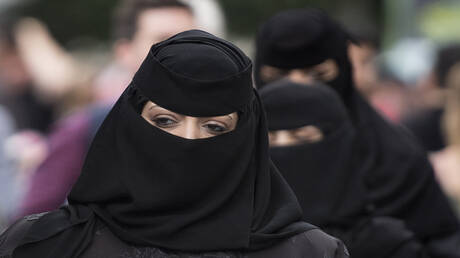
All eyes are on the British Conservative Party following reports that its leader, Kemi Badenoch, is considering imposing a ban on the burqa in the country. This proposal is part of the party's efforts to combat Islamic extremism, sparking widespread debate in political and social circles.
According to the Daily Mail, Badenoch is seeking to take radical steps to address what she perceives as threats to national security. This proposal reflects a growing concern about extremism in the UK, which has witnessed several terrorist incidents linked to extremist ideologies in recent years.
Details of the Proposal
This move comes at a sensitive time for the UK, where there is increasing pressure on the government to address issues of cultural identity and immigration. Badenoch, who took over the party leadership earlier this year, has expressed her desire to strengthen the party's stance on these issues, which could impact government policies overall.
It is noteworthy that the burqa, considered a symbol of Islamic identity, has sparked controversy in many European countries, with bans implemented in some nations such as France and Belgium. This step is seen as part of a broader wave of policies aimed at reducing the influence of cultural symbols deemed incompatible with Western values.
Background & Context
Historically, the UK has undergone significant demographic changes, with the proportion of Muslim residents rising markedly. However, these changes have raised concerns among certain political and social circles, leading to a rise in anti-Islamic rhetoric.
In recent years, the UK has faced substantial challenges related to terrorism and extremism, with several terrorist attacks carried out by individuals linked to extremist organizations. These events have contributed to intensifying discussions around immigration and integration policies, making it difficult for the government to make balanced decisions.
Impact & Consequences
If this proposal is implemented, it could exacerbate social divisions in the UK. There are fears that a ban on the burqa may be perceived as a direct targeting of Muslim communities, potentially increasing feelings of marginalization and discrimination.
Moreover, this decision could affect relations between the UK and Islamic countries, as the burqa is considered part of the cultural identity for many Muslim women. This may lead to negative reactions from Muslim communities, further contributing to social tensions.
Regional Significance
This issue holds particular significance for the Arab region, where Arab countries are closely monitoring developments in Western policies towards Islam and Muslims. This proposal may be viewed as part of a broader wave of policies targeting Islamic identity, potentially impacting relations between Arab and Western nations.
Furthermore, the debate surrounding the burqa ban may raise questions about women's rights in Islamic communities, as the burqa is seen as a personal choice for many women. This could enhance discussions around human rights and individual freedoms in the region.
In conclusion, this proposal from the British Conservative Party highlights the complex challenges faced by Western societies in addressing issues of identity and culture. It remains to be seen how matters will evolve in the coming days and whether this proposal will be enacted.