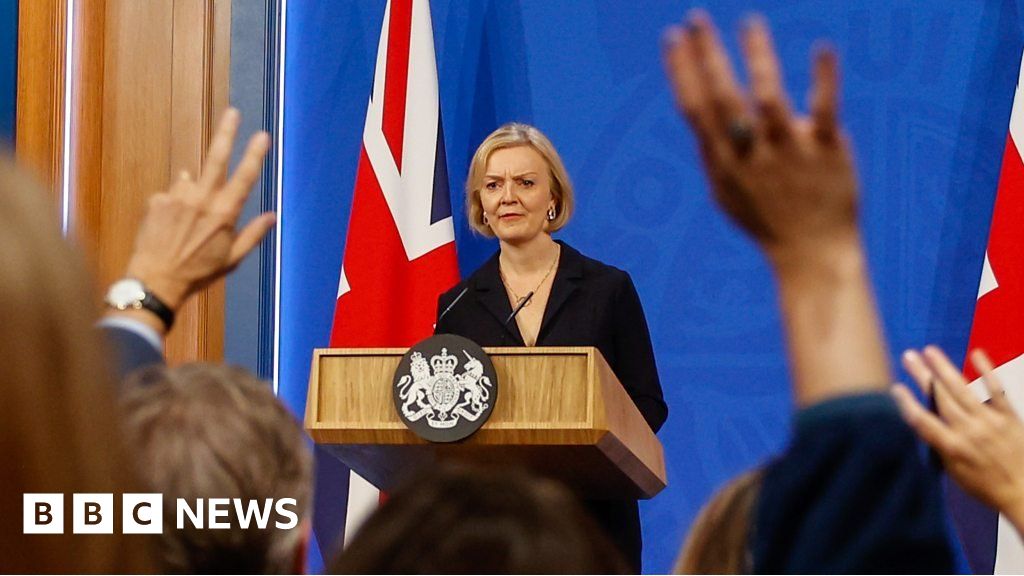
The British government is under severe criticism for its policy-making style, which is considered ineffective and counterproductive. As economic and social challenges mount, it appears that the government is hindering itself rather than taking effective steps to address pressing issues.
This criticism arises at a sensitive time when the country is grappling with numerous challenges, including rising living costs, deteriorating public services, and increasing economic pressures. Many are questioning how the government can improve the current situation under this approach.
Details of the Situation
Voices within and outside the British Parliament are increasingly calling for the government to reconsider its current strategies. Critics point out that the government lacks a clear vision, leading to an inability to tackle the fundamental issues affecting citizens' lives. There is a general sentiment that the government is unable to respond effectively to the community's needs.
In this context, the lack of coherence among various ministries and government bodies is seen as one of the main reasons for this failure. Numerous reports indicate a disparity in policies among ministries, resulting in confusion and a lack of clarity in policy implementation.
Background & Context
Historically, the United Kingdom has experienced periods of political and economic turmoil, with previous governments facing similar challenges. However, the current situation demands a swift and effective response, especially amid changing global economic conditions.
Since the UK's exit from the European Union, the government has been under increasing pressure to provide effective solutions to economic and social problems. However, it seems that the government has failed to meet citizens' expectations, leading to growing public discontent.
Impact & Consequences
If the government continues to follow this approach, it may face severe consequences on both political and economic levels. Experts indicate that the inability to make effective decisions could exacerbate current crises, increasing instability in the country.
Moreover, a loss of trust in the government could negatively impact international relations, as the UK may be perceived as incapable of addressing global challenges. This could affect foreign investments and increase economic pressures.
Regional Significance
The Arab region is indirectly affected by British policies, as stability in the UK has repercussions on global markets. If conditions continue to deteriorate, the Arab economy may be impacted, particularly in trade and investment sectors.
Additionally, the historical relationships between the UK and Arab countries may come under scrutiny, necessitating a reevaluation of strategic partnerships in the future.
In conclusion, the current situation in the UK requires serious steps to rebuild trust between the government and citizens. There must be an effective response to current challenges to ensure a more stable future.