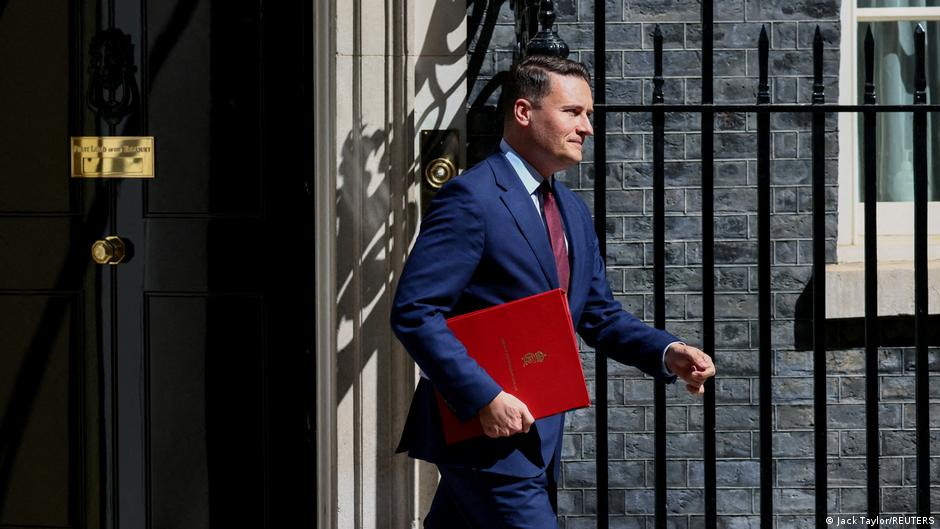
British Health Minister Wes Streeting has made an unprecedented resignation that highlights the growing pressures on Prime Minister Keir Starmer, following significant defeats for the Labour Party in the recent local elections. This marks the first resignation from the cabinet under Starmer's government, raising questions about the future of leadership within the party.
At the same time, Angela Rayner, the former deputy leader of the party, issued a morning statement indicating that the tax issues that led to her previous resignation have been resolved, opening the door for speculation about her intentions to run for leadership.
Details of the Event
Streeting's resignation came after election results showed a substantial decline for the Labour Party, which lost over 1,400 seats in local councils. In his resignation message, Streeting noted that the results were unprecedented, emphasizing that the party faces significant challenges from nationalists across the United Kingdom.
He also indirectly criticized Starmer, asserting that he had lost confidence in his leadership. Conversely, Rayner, who is seen as part of the left wing within the party, has not explicitly announced her intentions but stressed the need for change within the party.
Background & Context
The British Labour Party, historically representing the left, has experienced a notable decline in popularity in recent years. After Starmer's victory in the last general election, he was believed to be capable of steering the party back to success, but recent results suggest that things are heading in a different direction.
Historically, the party has undergone significant transformations, once considered the main force in British politics. However, the rising popularity of nationalist and right-wing parties, such as the British Reform Party, has significantly impacted the party's influence.
Impact & Consequences
Streeting's resignation may open the door for competition within the party, as some members seek to pressure Starmer to resign voluntarily. This scenario could lead to a split within the party, potentially affecting its ability to compete in upcoming elections.
Additionally, these events may reflect a larger shift in British politics, where calls for leadership changes in traditional parties are increasing, potentially leading to new leadership that aligns with voter aspirations.
Regional Significance
Arab nations are closely monitoring developments in British politics, especially given the historical relations between the United Kingdom and Arab countries. Any change in British leadership could impact foreign policies, including relations with Arab nations.
Moreover, political changes in Britain may affect issues such as immigration and trade, reflecting on Arab interests in the region.
In conclusion, political events in the United Kingdom remain a focal point for the world, as they could lead to radical changes in the political landscape, necessitating careful observation from those interested in Arab and international affairs.