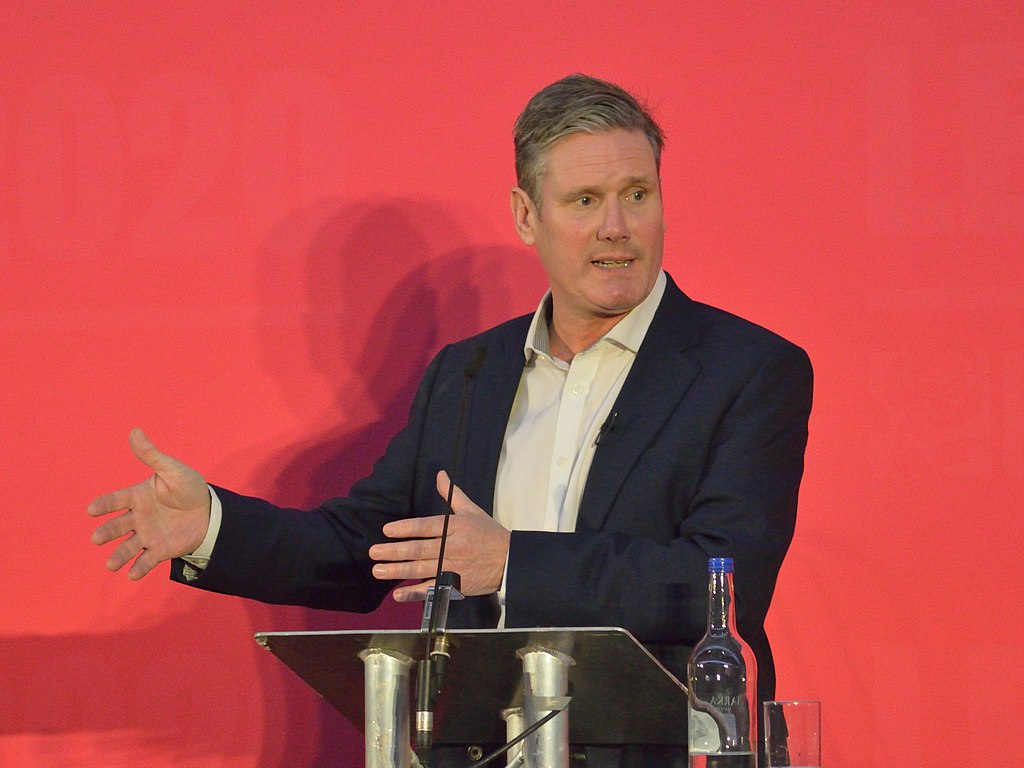
In remarks made to the Sunday Times, Sir Keir Starmer indicated that the "vast majority" of Labour MPs back him and wish for his continued leadership as Prime Minister. These comments come as speculation grows regarding the challenges Starmer may face within his party, reflecting a state of political instability.
Starmer clarified that "talk of challenges is common in politics," noting that supportive voices often go unheard, and that most party MPs feel comfortable being in power after a long wait.
Details of the Current Situation
Starmer's statements come at a time when he is under pressure from some opposition parties calling for his resignation, alongside criticism from within his party after concerns were raised regarding his appointment of Lord Mandelson as the UK ambassador to the United States. Security officials indicated there were recommendations against granting Lord Mandelson a security clearance, which Starmer was not informed about.
In his conversation with the newspaper, Starmer expressed no regrets over his decision to dismiss Sir Olly Robbins, the former Chief of Staff at the Foreign Office, due to his failure to inform him of security concerns. He emphasized that "when there is a double knowledge of not granting the clearance, this is something that should be communicated to the Prime Minister."
Background & Context
Historically, the British Labour Party has faced numerous internal crises, with leaders needing to navigate multiple challenges from both within and outside the party. Since Starmer took over leadership, the party has encountered significant hurdles, including issues related to domestic and foreign policies, as well as tensions with other parties.
Starmer's leadership period is particularly sensitive, as the party seeks to regain voter trust after years of turmoil. Polls have shown an urgent need to improve the party's image and bolster its public support.
Impact & Consequences
These circumstances affect political stability in the UK, as any internal division within the Labour Party could negatively impact the party's chances in the upcoming elections. Additionally, the challenges Starmer faces may influence the government's ability to make decisive decisions on issues such as the war in Ukraine and tensions with Iran.
The current situation indicates that Starmer needs to strengthen his support within the party to ensure the stability of his leadership, which may require him to take bold steps to address internal concerns.
Regional Significance
The implications of Starmer's leadership and the Labour Party's internal dynamics extend beyond the UK, potentially affecting international relations and the UK's standing on the global stage. As the party navigates these challenges, its approach to key issues will be closely monitored by both allies and adversaries.
In conclusion, the statements made by Starmer are crucial for understanding the political landscape in the UK and its impact on the upcoming elections, highlighting the need for unity and decisive leadership within the Labour Party.