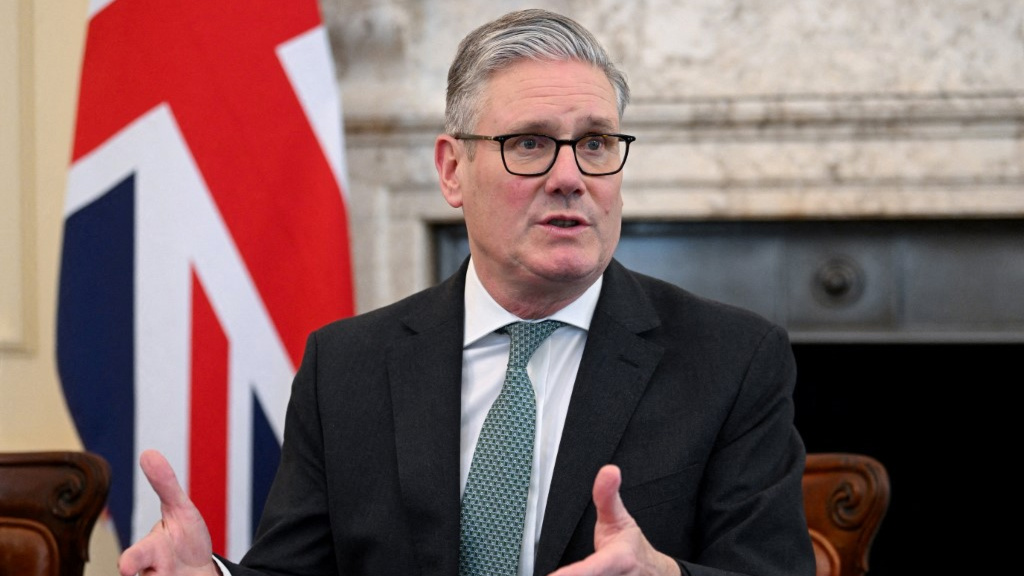
British Prime Minister Keir Starmer is heading to the Gulf in an effort to enhance the diplomatic role of Britain following the truce agreement reached between the United States and Iran. The three-day visit aims to discuss diplomatic efforts to support this agreement, which could ease tensions in the region.
Starmer welcomed the truce agreement on Wednesday morning, stating that it would bring a moment of relief for the region and the world. He added, "With our partners, we must do everything we can to support this truce and turn it into a permanent agreement and reopen the Strait of Hormuz."
Event Details
Last week, Britain hosted a summit aimed at forming an international coalition to pressure Iran to reopen the Strait of Hormuz; however, many key countries in the region, such as Saudi Arabia, Oman, Qatar, Turkey, and Pakistan, did not attend. The only Middle Eastern countries that joined this initiative were Bahrain and the United Arab Emirates, along with other nations such as France, Australia, Germany, Canada, Italy, and Japan.
It remains unclear which Gulf countries Starmer will visit, but he confirmed that the UK aims to make the strait safe and accessible after the cessation of hostilities. Iran closed this vital corridor, through which 20% of global oil and gas supplies pass, in early March in response to the US-Israeli attack on the country.
Background & Context
In recent weeks, Starmer has sought to bolster Britain's diplomatic role, especially following repeated criticisms from US President Donald Trump regarding insufficient support in the war against Iran. Initially, Starmer was hesitant to allow the US to use British bases to attack Iran, but he eventually agreed.
Despite this, Britain, along with other European countries, rejected Trump's request in mid-March to send warships to the strait to help reopen it, even after he threatened that NATO would face a "bad future" if member states did not assist.
Impact & Consequences
The British initiative indicates an attempt to strengthen relations with Gulf allies amid deteriorating ties with the United States. Gulf countries, like Britain, are also looking for strategies to reopen the strait independent of US designs.
However, the limited cooperation from key countries such as Saudi Arabia, Qatar, and Oman raises questions about Starmer's ability to build a broad coalition. It is also expected that Starmer will not visit Israel during his trip, reflecting the decline in diplomatic relations between Britain and Israel in recent years.
Regional Significance
This visit is significant in the context of Arab-British relations, as Arab countries seek to enhance their role in regional issues. Restoring security in the Strait of Hormuz directly impacts oil supplies and energy prices in the region.
In conclusion, these developments reflect significant changes in international politics, as major powers seek to reassess their strategies in the Gulf region, opening the door to new opportunities for cooperation between Arab countries and Britain.