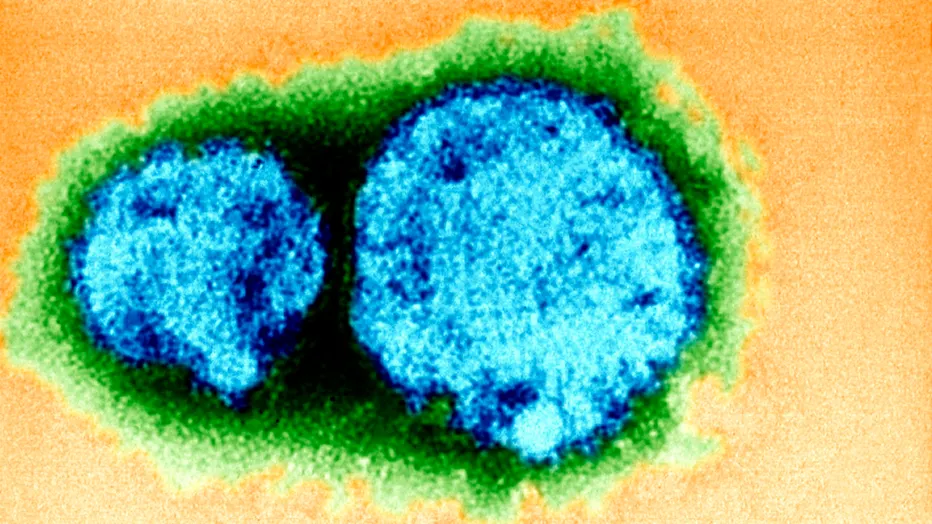
Health authorities in the United Kingdom announced that British tourists aboard a cruise ship infected with Hantavirus will be hospitalized upon their return. This announcement comes after reports of virus cases on the ship, raising significant concerns about passenger safety.
The cruise ship, which was on a journey across the Pacific Ocean, has seen cases of Hantavirus emerge, a rare but dangerous virus that can cause severe respiratory illnesses. The decision for hospitalization was made as a precautionary measure to protect public health.
Details of the Incident
British health authorities are tracking passengers who were on board the ship, with several suspected cases identified. Passengers will be taken to the hospital immediately upon their arrival in the UK, where they will undergo thorough medical examinations. This measure is part of efforts to limit the spread of the virus and ensure the safety of citizens.
Hantavirus is typically transmitted through direct contact with rodent droppings, making strict preventive measures essential. Health authorities have confirmed that the virus does not spread from person to person, alleviating some concerns regarding transmission.
Background & Context
Hantavirus has been known for decades, with cases reported in various parts of the world. However, its emergence on a cruise ship is a rare event, increasing anxiety among passengers and their families. In recent years, there has been a rise in the number of virus cases in certain areas, necessitating further research and study to understand its spread.
Historically, Hantavirus has been associated with specific regions, particularly in the United States and Latin America. However, the appearance of new cases in unexpected locations raises questions about how the virus spreads and how to effectively manage it.
Impact & Consequences
This incident serves as a reminder of the importance of public health and the necessary precautions in travel. This case may affect the tourism industry overall, potentially leading to a decline in the number of tourists willing to travel to certain areas. It may also increase demand for health safety measures on cruise ships.
Furthermore, this incident could spark greater interest from health authorities worldwide in monitoring rare viruses and ensuring a swift and effective response when new cases arise.
Regional Significance
For the Arab region, this incident highlights the importance of enhancing health awareness among travelers. With an increasing number of Arab tourists traveling to diverse destinations, it is essential to have awareness campaigns regarding potential health risks and how to prevent them.
Collaboration among Arab countries in public health can contribute to a rapid response to any emergencies that may occur in the future. Clear strategies must be in place to deal with pandemics and rare viruses to ensure the safety of citizens.