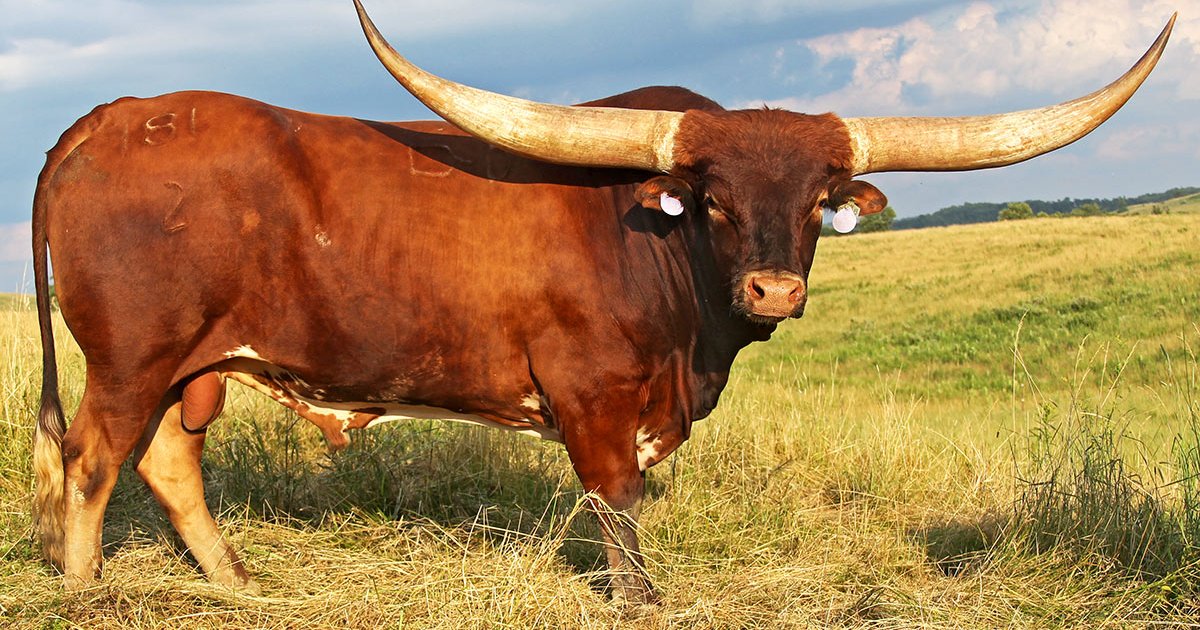
Bull plowing in the Al-Hasher Mountains is one of the most prominent traditional agricultural practices that reflects the depth of the region's cultural heritage. This event unfolds in a unique scene that combines thick fog with lush terraced fields, adding a special beauty to the surrounding environment.
The roots of this practice date back to ancient times when farmers relied on bulls for plowing and cultivating the land. This tradition is an integral part of the cultural identity of the people of the Al-Hasher Mountains, who have preserved this custom through generations.
Event Details
The bull plowing events take place at specific times of the year, where farmers from various villages gather to exchange experiences and skills. Bulls are used for plowing the land, showcasing the ability of these animals to work in diverse natural conditions. This event also serves as an opportunity for social interaction among the local residents.
Bull plowing highlights the importance of sustainable agriculture, employing traditional methods that maintain soil fertility and reduce the use of chemicals. This approach serves as a model in light of the environmental challenges faced by modern agriculture.
Background & Context
Historically, the Al-Hasher Mountains were known for their agricultural richness, where various crops such as wheat and barley were cultivated. Over time, this area has been affected by climatic and economic changes, leading to a decline in some traditional practices. Nevertheless, bull plowing remains a symbol of resilience and adaptation to changing conditions.
This event is part of efforts to preserve cultural heritage, with workshops and seminars organized to educate new generations about the importance of these practices. These activities also provide an opportunity to enhance cultural tourism in the region.
Impact & Consequences
Bull plowing contributes to raising environmental awareness among local communities, demonstrating the importance of preserving agricultural traditions. This awareness helps enhance food security and encourages the use of sustainable agricultural methods.
Moreover, this event strengthens social ties among residents, serving as an occasion to celebrate cultural heritage and exchange knowledge. Such activities can contribute to enhancing cultural identity and pride in traditional practices.
Regional Significance
Bull plowing in the Al-Hasher Mountains represents a model to be emulated in many Arab regions facing similar challenges in preserving cultural and agricultural heritage. These practices can inspire other communities to adopt sustainable agricultural methods that enhance food security and protect the environment.
In conclusion, bull plowing in the Al-Hasher Mountains is more than just an agricultural practice; it is a symbol of cultural heritage and identity. By preserving this tradition, future generations can benefit from the lessons learned from the past and enhance the sustainability of agriculture in the future.