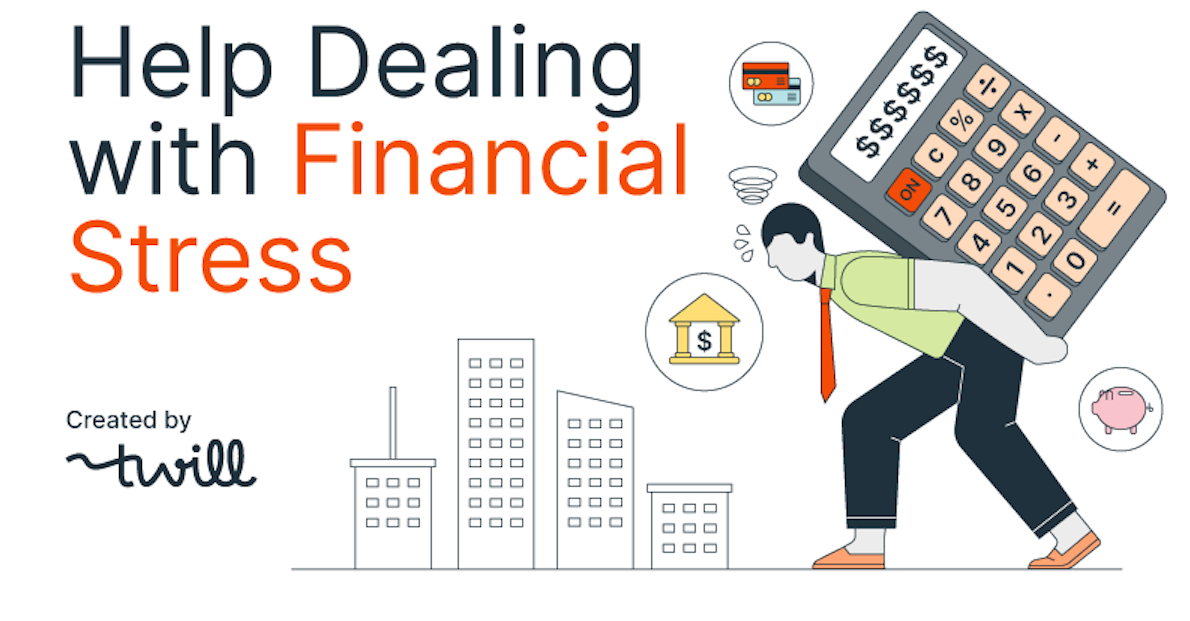
Business leaders across various regions have expressed deep concern over the deteriorating financial conditions faced by low-income families. With inflation rates surpassing wages, the financial pressures on these groups are intensifying. Under these circumstances, credit card balances have seen a notable increase, reflecting the worsening financial status of many households.
Reports indicate that these financial pressures could exacerbate economic conditions, as many find themselves unable to meet their basic needs. With the rising cost of living, wages remain stagnant or increase only slightly, creating a widening gap between income and expenses.
Details of the Financial Crisis
Several CEOs from regional companies have reported that low-income families are particularly suffering from these pressures, noting that many have reached a breaking point, raising concerns about overall economic stability. In this environment, reliance on credit cards as a means to cover daily expenses is increasing, leading to a buildup of debt.
There are growing fears that these dynamics could lead to a more significant economic slowdown, as financially strained families may reduce their spending, negatively impacting businesses and the economy as a whole. Additionally, rising interest rates may complicate debt repayment, further exacerbating the crisis.
Background & Context
Over the past years, many countries have experienced rising inflation rates, which have affected the purchasing power of families. At the same time, wage increases have not kept pace with these rises, leading to a depletion of purchasing power. These dynamics are not new but have been significantly worsened in recent years due to global economic crises.
Historically, low-income families have been the most affected by economic crises, as they have the least savings to cope with emergencies. As economic pressures continue, it becomes essential to take effective actions to support these groups.
Impact & Consequences
The ramifications of these financial pressures extend beyond individuals, potentially impacting the economy as a whole. If families continue to cut back on their spending, this could lead to slower economic growth and increased unemployment rates. Furthermore, the rise in debt could exacerbate financial crises, placing additional strain on the financial system.
These conditions require a swift response from governments and financial institutions to ensure economic stability. It is crucial to provide support to affected families, whether through wage increases or financial assistance.
Regional Significance
The financial strain on low-income families is a pressing issue that highlights the need for urgent action. Addressing these challenges is vital for maintaining economic stability and ensuring that vulnerable populations receive the necessary support.
In conclusion, the current financial pressures on low-income families demand immediate attention from policymakers and stakeholders to avert a deeper economic crisis and support those most in need.