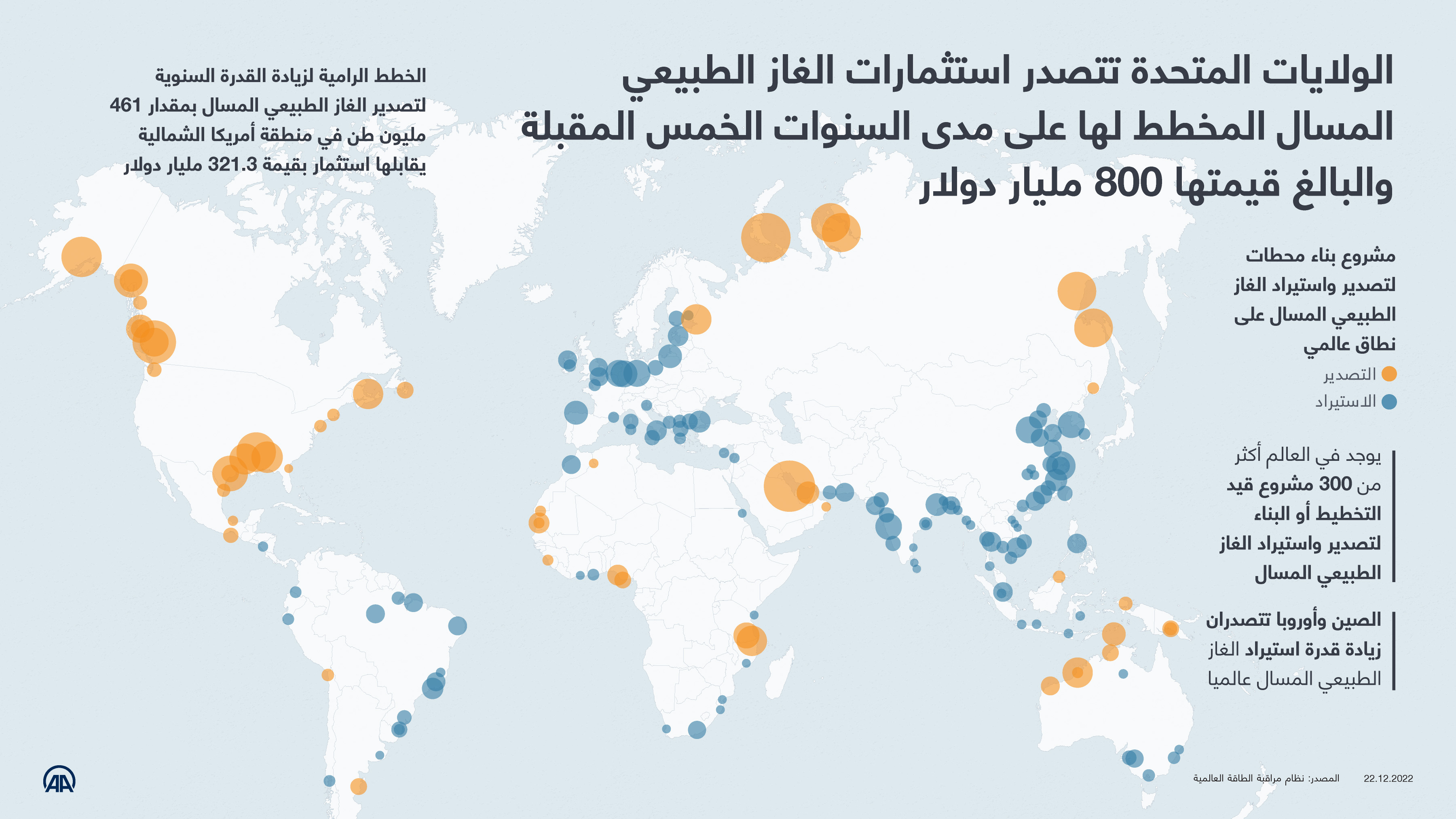
Asian and European companies are seeking available shipments of liquefied natural gas (LNG) from US suppliers after the closure of Qatar's largest LNG plant due to the ongoing war in Iran. This situation has resulted in a surge in demand for gas from the United States, with countries competing for the remaining quantities in the market.
Qatar is considered one of the largest producers of LNG in the world, but recent events in the region have led to the shutdown of its main plant, significantly impacting global supplies. Under these circumstances, companies in Asia and Europe have begun searching for alternatives, increasing pressure on US markets.
Details of the Event
As tensions escalate in the Middle East due to the war in Iran, Qatar has become unable to meet the rising demand for LNG. This has resulted in a severe supply shortage, prompting buyers in Asia and Europe to seek shipments from the United States, where limited quantities are still available.
Reports indicate that LNG prices have risen significantly as a result of this increased demand, with European and Asian countries striving to secure their energy needs amid uncertainty surrounding gas supplies from Qatar.
Background & Context
Historically, Qatar has been regarded as a leader in LNG production, possessing the largest plant in the world. However, geopolitical tensions in the region, particularly the war in Iran, have affected Qatar's ability to export gas, reshaping the global supply landscape.
In recent years, LNG markets have undergone significant transformations, with the United States emerging as a key player in this field. As global demand for natural gas continues to rise, the United States has become an important source to meet the energy needs of countries facing supply shortages.
Impact & Consequences
Many analyses predict that this crisis will lead to significant changes in the LNG market. The supply shortage from Qatar may increase reliance on US gas, which could impact prices and markets worldwide.
These developments may also lead to increased investments in LNG projects in the United States as companies seek to meet the growing demand. At the same time, European and Asian countries may need to reassess their energy strategies to reduce dependence on specific sources.
Regional Significance
These events are particularly significant for Arab gas-producing countries, as they may influence their gas export strategies. Some countries may benefit from this crisis by increasing their exports to global markets, but they may also face challenges amid rising competition.
The situation in the Middle East reflects the importance of political stability in the region, as any escalation in tensions could directly impact global energy markets.
In light of these changing circumstances, gas-producing countries must be prepared to adapt to new challenges in the market. Current events underscore the importance of diversifying energy sources and securing supplies amid geopolitical crises.