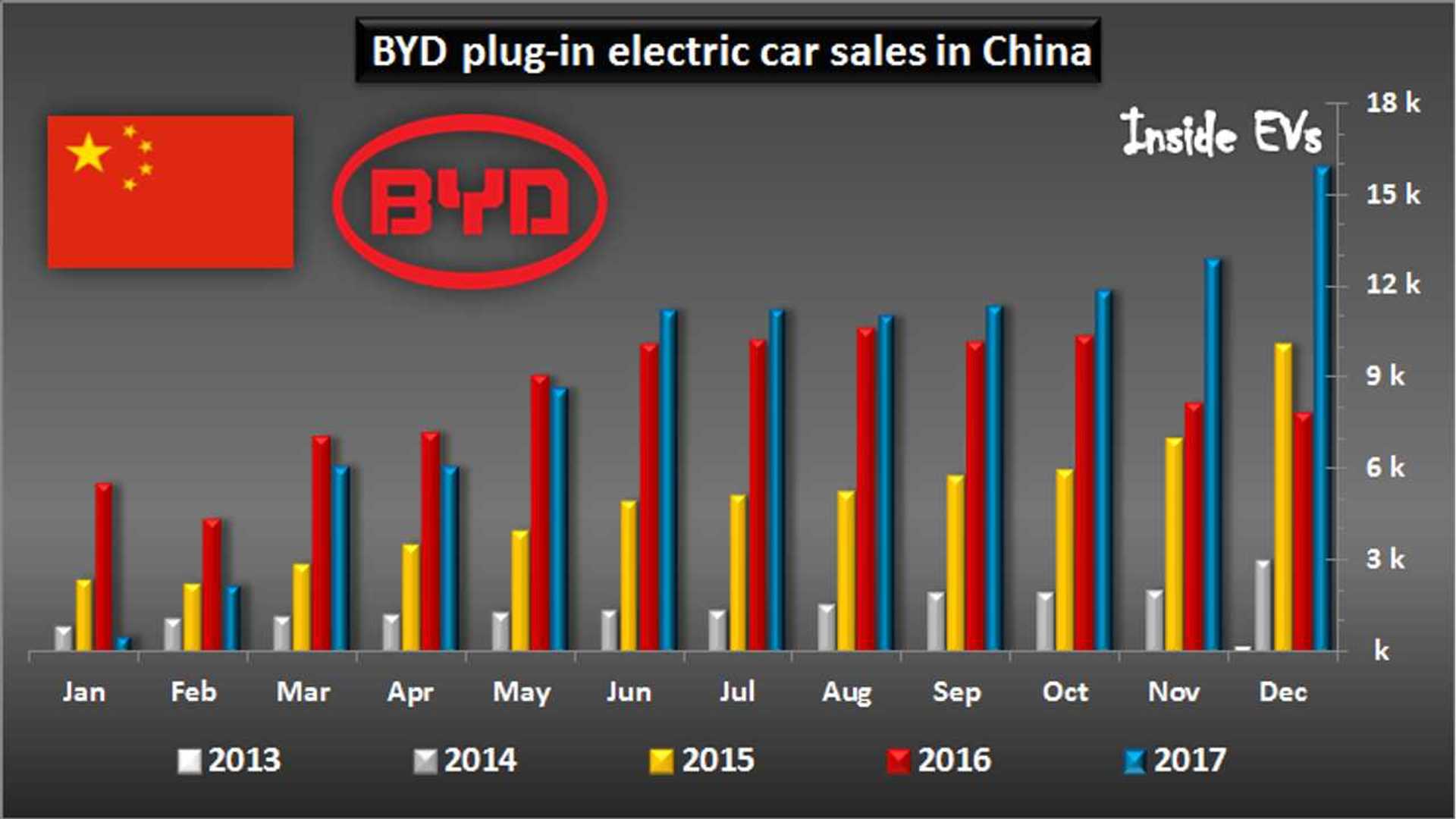
BYD, one of the world's leading manufacturers of electric vehicles, reported a dramatic profit decline of up to 90% in the third quarter of this year, marking the largest drop the company has recorded in six years. This decline comes at a time when the company is facing considerable difficulties in the Chinese market, where its sales have seen a noticeable decrease.
According to reports, BYD recorded profits of 1.3 billion yuan (approximately $180 million) from July to September, compared to 12.5 billion yuan during the same period last year. This drop is attributed to a decline in demand in the Chinese market, where BYD is considered a leading player in this sector.
Challenges Faced by BYD in the Chinese Market
BYD is encountering multiple challenges in the Chinese market, including increased competition from other companies such as Tesla and NIO, as well as changes in consumer preferences. Additionally, rising production costs and supply chain impacts have also contributed to this sharp decline.
The company is striving to boost its sales by launching new models and improving battery technologies, but these efforts appear insufficient to offset the significant drop in demand. Analysts have indicated that BYD needs new strategies to adapt to the rapid changes in the market.
Background & Context
Founded in 1995, BYD initially manufactured mobile phone batteries before expanding into electric vehicle production. Over the years, BYD has become one of the leading companies in this field, achieving significant success in global markets. However, the current challenges suggest that the company may struggle to maintain its position amid increasing competition.
The company's rapid growth in the past was fueled by innovative technologies and a strong market presence, but the evolving landscape of the electric vehicle industry poses new hurdles that require adaptive strategies and forward-thinking approaches.
Impact & Consequences
The decline in BYD's profits serves as an indicator of the challenges faced by companies in the electric vehicle sector, which may affect their future investments. This downturn could also impact investor confidence in the Chinese market, potentially leading to fluctuations in stock prices. Furthermore, a decrease in demand for electric vehicles may hinder the Chinese government's efforts to promote clean energy use and reduce carbon emissions.
As the market dynamics shift, the implications of BYD's struggles could resonate beyond its own operations, influencing broader trends in the automotive industry and the transition to sustainable transportation solutions.
Regional Significance
The situation surrounding BYD is particularly significant for the Chinese automotive market, which has been a focal point for electric vehicle innovation and growth. The company's challenges highlight the competitive landscape and the necessity for continuous adaptation in a rapidly evolving sector.
In conclusion, BYD's profit decline not only reflects its internal struggles but also underscores the broader challenges facing the electric vehicle industry in China, which is crucial for the global transition to sustainable energy solutions.