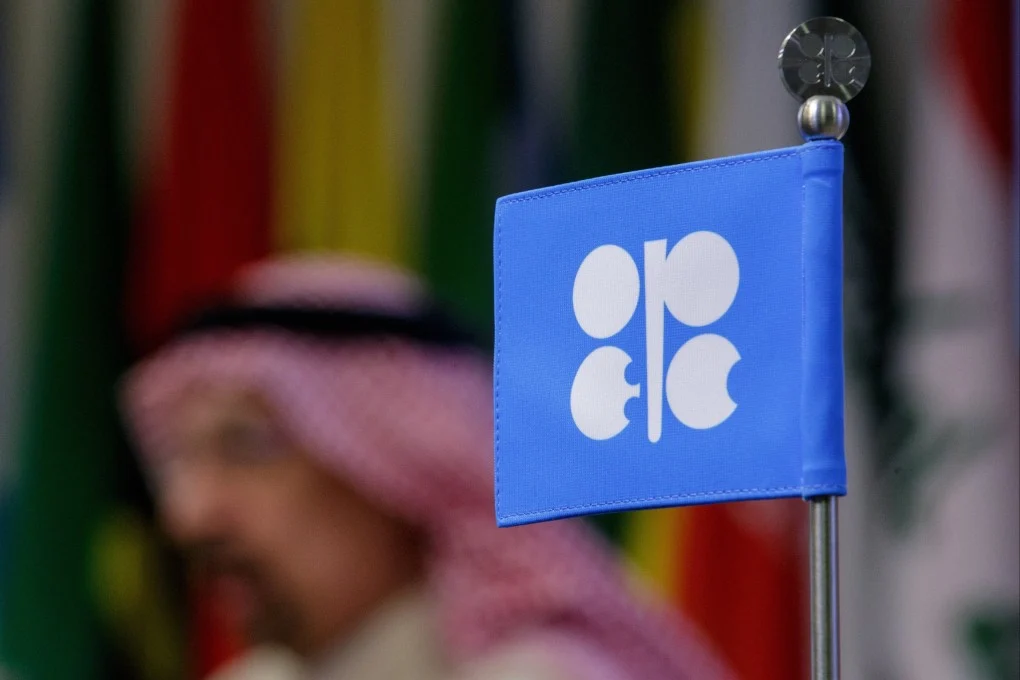
The United Arab Emirates announced on Tuesday its decision to leave the Organization of the Petroleum Exporting Countries (OPEC) and the OPEC+ alliance effective May 1, in a move aimed at enhancing its control over its production strategy. This decision came after a thorough review of the country's production policy and capacity, with the Ministry of Infrastructure confirming that it reflects national interests and the UAE's commitment to contributing to global oil demand.
This decision marks a significant shift in the UAE's oil policy, as the country has been a member of OPEC since 1967. This shift reflects the UAE's desire for greater independence in managing its oil resources, especially in light of rapid changes in the global market.
Details of the Decision
The Ministry of Infrastructure clarified that the decision followed a careful analysis of the country's production capabilities, allowing for more flexible decisions that align with market needs. This decision also reflects the UAE's intention to increase its oil production in line with the rising global demand, particularly amid the economic recovery following the COVID-19 pandemic.
This move comes at a time when oil markets are experiencing significant volatility, making it essential for producing countries to make strategic decisions to ensure the sustainability of their production. The UAE has confirmed that it will continue to work on enhancing its production capabilities and developing new technologies to improve production efficiency.
Background & Context
OPEC was established in 1960 with the goal of coordinating the oil production policies of its member countries, and the UAE was one of the founding members. Over the years, OPEC has played a pivotal role in stabilizing global oil prices, but new challenges such as renewable energy and climate change have begun to impact the organization's role.
In recent years, the UAE has seen a significant increase in its production capacity, making it one of the largest oil producers in the world. However, the move to leave OPEC reflects the UAE's desire for greater control over its resources, especially amid increasing competition from other countries like the United States and Russia.
Impact & Consequences
This decision could have significant implications for global oil markets. With the UAE's exit from OPEC, it may lead to an increase in its oil production, which could affect global prices. Additionally, this decision may encourage other countries to reassess their membership in OPEC, potentially leading to radical changes in the market structure.
Furthermore, this decision may impact relations between the UAE and other OPEC member countries, as this move could be seen as a challenge to collective policies. However, the UAE hopes that this decision will be viewed as a step towards achieving sustainability in its oil production.
Regional Significance
The UAE's departure from OPEC signifies a strategic shift in its oil policy, which could affect global oil markets and reflects the country's desire to enhance its independence. This move may also influence the geopolitical dynamics of the region, as oil-producing countries navigate the complexities of a changing energy landscape.
In conclusion, the UAE's exit from OPEC represents a bold step towards redefining its oil strategy, aiming for greater autonomy in managing its resources while addressing the challenges posed by evolving market conditions.