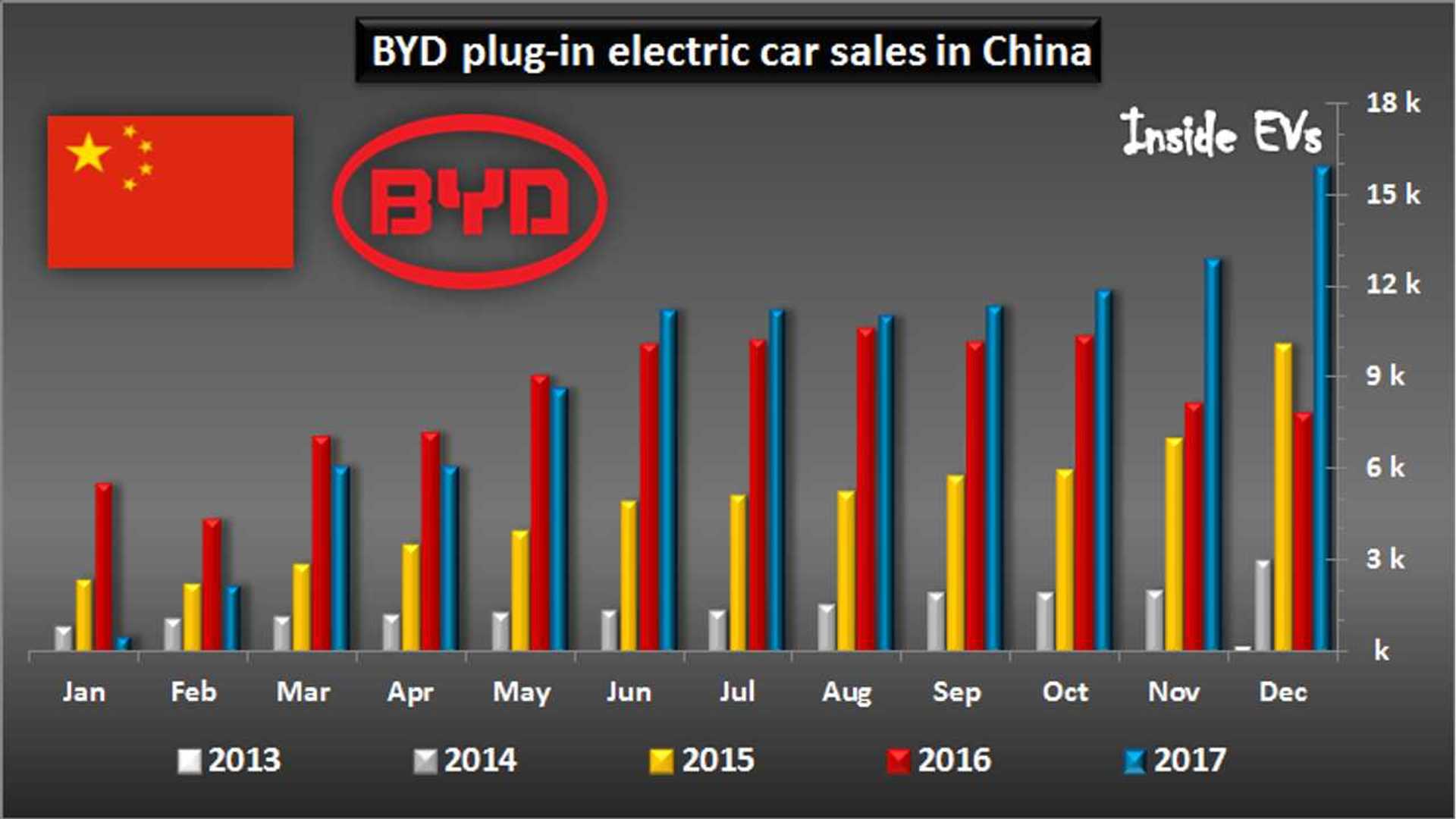
BYD, the world's largest electric vehicle manufacturer, has seen its profits decline to their lowest levels in over three years, prompting the company to implement further price reductions on its vehicles. This decision comes in response to intense competition from other companies in the electric vehicle market.
As one of the pioneers in electric vehicle manufacturing, BYD has achieved considerable success in recent years. However, the current market challenges, including a surge in the number of competing companies and shifts in consumer demand, have compelled the company to take bold steps to maintain its market share.
Details of the Profit Decline
In the last quarter, BYD recorded a notable decrease in profits, raising concerns among investors and analysts about the company's future. Reports indicate that the company has significantly reduced prices on some of its models, leading to increased sales but at the expense of profit margins.
This move comes at a time when the global electric vehicle market is undergoing a significant transformation, with many companies striving to enter this promising sector. As competition intensifies, BYD finds itself needing to offer more promotional deals to attract customers.
Background & Context
Founded in 1995, BYD has grown to become one of the largest manufacturers of electric vehicles in the world. Technological innovations and substantial investments in electric vehicle development have bolstered its market position.
Over the years, BYD has made significant strides in clean energy, being a leader in battery and electric vehicle production. Nevertheless, the current market challenges necessitate a reevaluation of its strategies to ensure sustainability moving forward.
Impact & Consequences
The decline in BYD's profits serves as an indicator of the challenges faced by companies in the electric vehicle industry. This downturn could have negative repercussions on the company's investments and investor confidence, potentially affecting its future expansion plans.
Moreover, the rising competition may lead to price volatility in the market, impacting other companies as well. Competing firms may be forced to take similar actions to offer price reductions in order to maintain their market share.
Regional Significance
The decline in BYD's profits reflects the challenges facing the electric vehicle industry and underscores the need for major companies to reassess their strategies. This situation presents new opportunities for Arab companies to explore the electric vehicle sector.
As the market evolves, collaboration between Arab and global companies could lead to innovative solutions and advancements in electric vehicle technology.