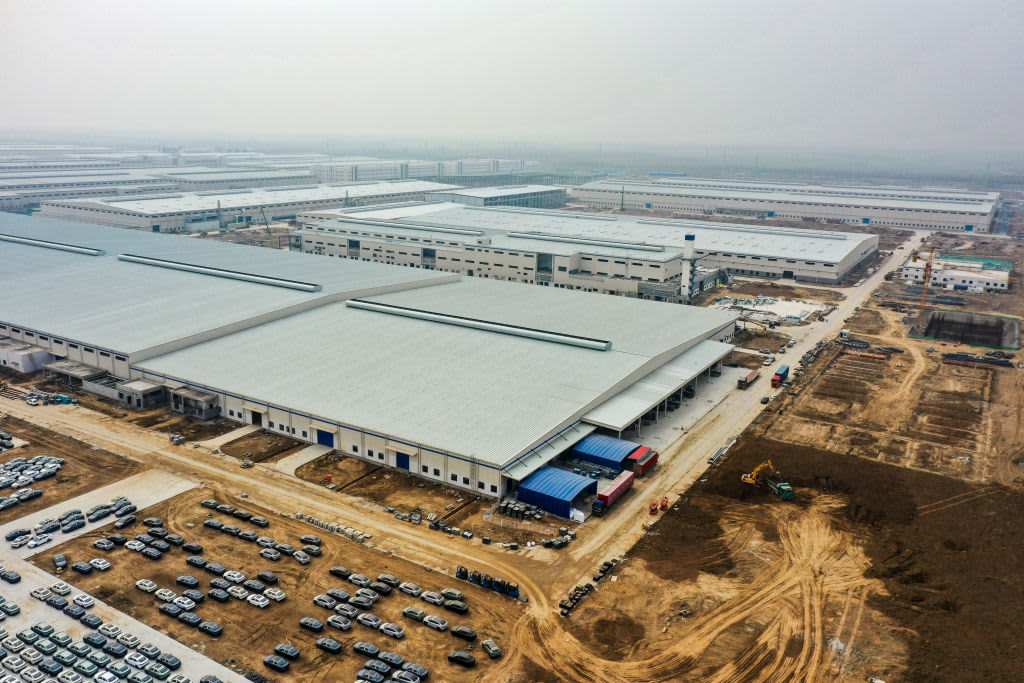
Chinese automaker BYD, a leader in the electric vehicle industry, has announced a sharp decline in its profits during the fourth quarter of the year, with the drop being larger than expected. This decrease is attributed to intense competition in the market, along with stringent regulations imposed by the Chinese government, which have increased pressure on the company to revitalize its slowing momentum.
BYD is considered one of the largest manufacturers of electric vehicles globally, having experienced significant growth in recent years. However, the current challenges threaten to undermine this growth, as pressures from competing companies seeking to capture a larger market share continue to mount.
Details of the Financial Report
In its latest financial report, BYD revealed a profit decline that exceeded expectations, raising concerns among investors and analysts. The company attributed this decline to several factors, including falling prices in the electric vehicle market, which have led to reduced profit margins.
Additionally, new government regulations aimed at enhancing competition in the market have contributed to increased pressures on major companies like BYD. These regulations include stricter environmental standards, requiring companies to invest more in clean technology.
Background & Context
Founded in 1995, BYD began manufacturing electric vehicles in the early 2000s. Since then, it has become one of the leading companies in this sector, achieving strong sales in China and global markets. However, competition in the electric vehicle market has intensified with the entry of new companies, such as Tesla, alongside other local firms.
In recent years, China has seen a significant increase in demand for electric vehicles, making it an attractive market for investors. However, the challenges faced by BYD reflect the difficulties that other companies in this sector may encounter.
Impact & Consequences
The decline in BYD's profits serves as an indicator of the challenges facing the electric vehicle industry as a whole. This downturn may lead to reduced investments in research and development, which could impact innovation within the sector. Furthermore, intense competition may result in lower prices, potentially having a negative effect on profits in the long term.
Moreover, these challenges could influence the strategies of other companies in the market, as they may need to reassess their investment and expansion plans under these difficult circumstances.
Regional Significance
In light of the global shift towards electric vehicles, BYD's decline may impact the Arab market, where many Arab countries are seeking to promote the use of electric vehicles as part of their strategies to reduce carbon emissions. The downturn of major companies like BYD could increase pressure on local firms to offer competitive products.
Additionally, the challenges faced by BYD may reflect the realities of the Arab market, where companies need to innovate and adapt to rapid changes in the global market.
In conclusion, the electric vehicle industry remains at a critical juncture, where major companies like BYD must confront new challenges amid increasing competition and government regulations. The success of these companies in overcoming these challenges will have a significant impact on the future of the industry as a whole.