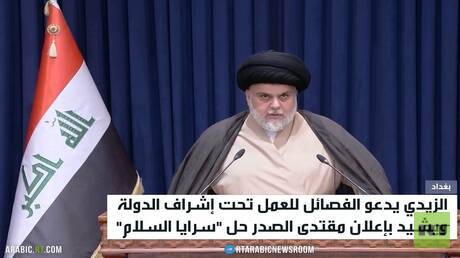
Iraqi Prime Minister Ali Al-Zaydi has called on all armed factions to work exclusively under state supervision, aiming to enhance security and stability in the country. This appeal comes at a sensitive time for Iraq as the government seeks to restructure armed groups and ensure they remain under state control.
This initiative is part of the Iraqi government's efforts to rebuild trust between citizens and the state, as the country faces multiple security and political challenges. Al-Zaydi emphasized that armed factions must adhere to existing laws and regulations and collaborate with security forces to ensure the protection of citizens.
Details of the Initiative
In statements made during a press conference, Al-Zaydi clarified that armed factions are part of the Iraqi social fabric but must operate under state supervision to prevent their use for political or personal purposes. He noted that the government would provide necessary support to these factions, provided they comply with the laws.
Al-Zaydi also called for an inclusive dialogue among all relevant parties, including armed factions, to establish mechanisms for joint action and enhance coordination between security forces and factions. He stressed the importance of building trust between the government and armed factions to achieve security and stability in the country.
Background & Context
Historically, Iraq has suffered from deep divisions among armed factions, leading to widespread violence and chaos in certain areas. These divisions have exacerbated political and economic crises, making it essential to reconsider the role of armed factions in political and security life.
In recent years, Iraq has witnessed increased efforts to rebuild the state and enhance its sovereignty, as the government aims to reduce the influence of armed factions operating outside the state's framework. Al-Zaydi's call comes in this context, as he seeks to strike a balance between maintaining security and respecting the rights of armed factions.
Impact & Consequences
If this call is successfully implemented, it could lead to greater stability in Iraq and reduce tensions between armed factions and the state. It may also contribute to improving the security situation, thereby enhancing investment opportunities and economic development in the country.
However, challenges remain, as the government may face resistance from some factions that refuse to submit to state authority. Therefore, a comprehensive strategy is required to engage with these factions and ensure that violence does not resurge.
Regional Significance
Al-Zaydi's call serves as a model that could be emulated in other countries facing armed factions outside state control. This step may prompt other nations in the region to reconsider how they deal with armed factions and strengthen state sovereignty.
Moreover, Iraq's success in achieving stability could have a positive impact on regional security, fostering cooperation among Arab countries in addressing shared challenges.
In conclusion, Iraqi Prime Minister Ali Al-Zaydi's call for armed factions to operate under state supervision represents a significant step towards enhancing security and stability in Iraq. Achieving these goals requires cooperation among all stakeholders, and Iraqis hope that these efforts will lead to a more secure and prosperous future.