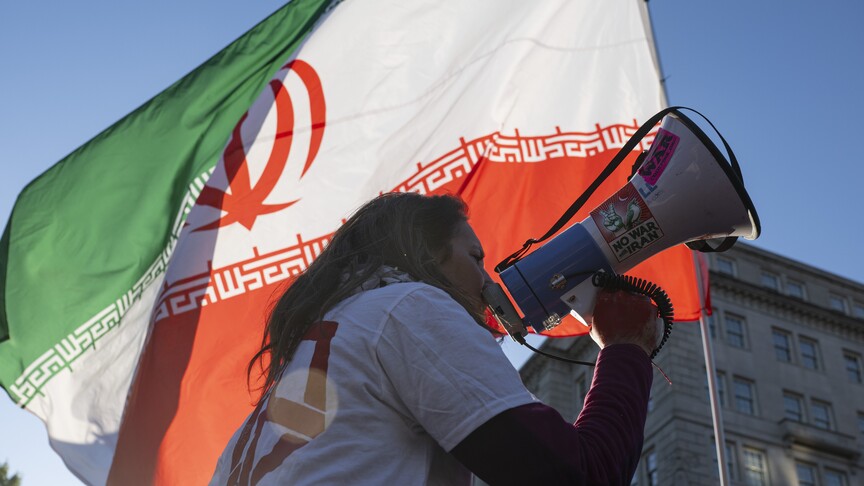
In a move reflecting international concern over escalating tensions in the Middle East, leaders from several European countries and Canada have called for a ceasefire between the United States and Iran. The joint statement issued by these leaders comes at a sensitive time, as fears grow regarding the conflict's impact on regional stability.
The leaders also pointed to the importance of reaching a comprehensive negotiated settlement that addresses the core issues leading to the current escalation. The statement reflects an international consensus on the necessity of dialogue as a means to resolve conflicts, rather than relying on military force.
Details of the Statement
The joint statement issued by the leaders of European countries and Canada comes at a time when the Middle East is witnessing increasing tensions, particularly following the escalation between the United States and Iran. The leaders called on all parties to commit to a ceasefire, stressing that any further escalation could have dire consequences for regional and international security.
These calls come at a critical juncture, as clashes have intensified in various regions, leading to a deterioration of humanitarian conditions. The leaders expressed their readiness to support any efforts aimed at achieving peace and stability in the region.
Background & Context
Historically, relations between the United States and Iran have been marked by increasing tensions, especially after the United States withdrew from the nuclear agreement in 2018. This withdrawal led to a rise in military and economic tensions between the two sides, affecting the security situation across the region.
Lebanon, which is grappling with political and economic crises, has become a hotspot in the regional conflict. The country has witnessed a surge in military activities, raising concerns about the outbreak of a larger conflict that could involve neighboring countries.
Impact & Consequences
Implementing a ceasefire between the United States and Iran could have positive effects on regional security. It could help reduce tensions and allow the parties to return to the negotiating table. Additionally, stabilizing conditions in Lebanon could contribute to improving humanitarian and economic situations in the country.
However, challenges remain, as there are internal and external forces that may oppose any peace efforts. Therefore, the success of these calls depends on the commitment of all parties to implement them effectively.
Regional Significance
The calls for a ceasefire are a significant step towards achieving stability in the Middle East, as the conflict between the United States and Iran has wide-ranging implications for regional and international security. The situation remains fluid, and the international community's response will be crucial in shaping the future of the region.
In conclusion, the leaders' appeal for a ceasefire is a timely reminder of the need for diplomatic solutions to conflicts that threaten peace and stability in the Middle East.