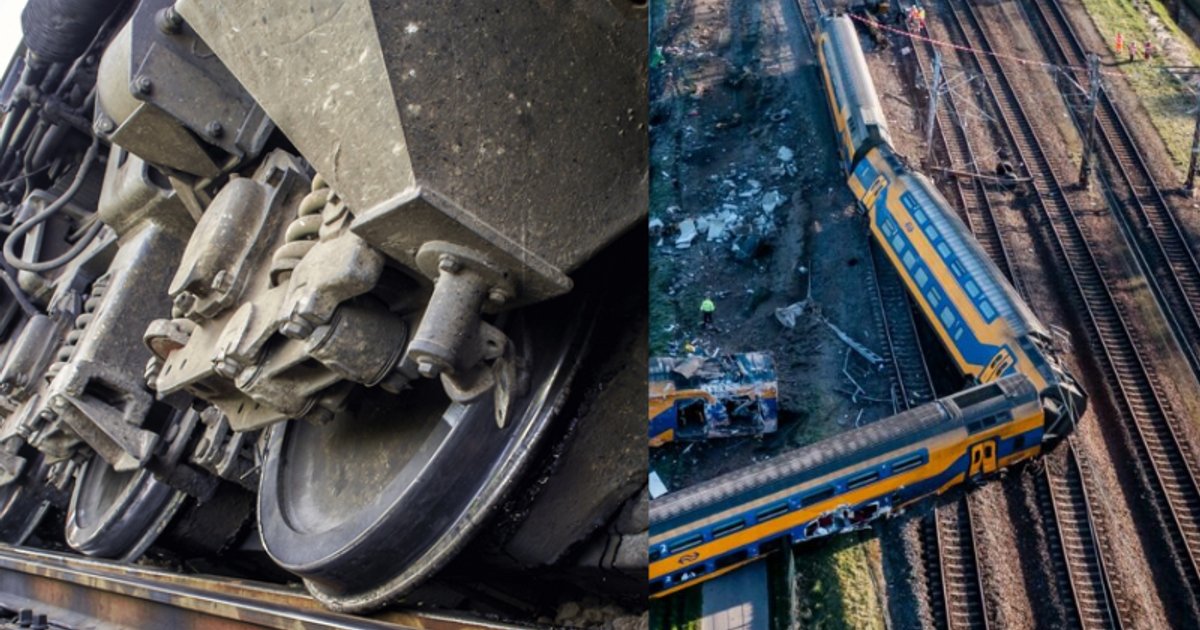
In the wake of the tragic incident that occurred at Bekasi Timur station, which resulted in numerous injuries, Muhammad Sarmuji, the leader of the Golkar party in the Indonesian parliament, called for a comprehensive assessment of the railway safety system in the country. The accident, which took place on the evening of Monday, April 27, serves as a painful reminder of the importance of improving safety standards in public transportation.
Sarmuji pointed out that this incident should serve as an important lesson for everyone, stressing the need for a thorough evaluation of the operational system, safety management, and monitoring. He expressed his deep concern for the victims and their families, emphasizing the importance of providing full support to them.
Details of the Incident
The accident that occurred in Bekasi, West Java, involved a KRL Commuter Line train and the Argo Bromo Anggrek train, resulting in injuries to many passengers, raising significant concerns about railway safety in Indonesia. Sarmuji urged all relevant parties to take swift and transparent action to address the aftermath of the incident and investigate its causes.
He also extended his heartfelt condolences to the victims, asserting that the government must play an active role in providing assistance to those affected, whether through medical care or psychological support. He emphasized the importance of a quick and organized rescue operation, focusing on the safety of everyone at the accident site.
Background & Context
Indonesia has witnessed several similar incidents in the railway sector in recent years, raising questions about the efficiency of the safety and management system in this sector. Despite efforts to improve infrastructure, accidents continue to occur, necessitating a comprehensive review of all existing procedures.
The history of railways in Indonesia dates back to the 19th century, and the country has seen significant development in this sector. However, with the increase in passenger numbers, the risks have also escalated, requiring an immediate response from the government and stakeholders.
Impact & Consequences
The recent incident may lead to negative repercussions on public confidence in the railway system, potentially affecting passenger numbers in the future. Additionally, investigations into the incident may reveal gaps in the current system, necessitating urgent reforms.
Analyzing the incident could contribute to improving safety standards, but this requires cooperation between the government and relevant parties. It is crucial that effective steps are taken to ensure that such incidents do not recur in the future.
Regional Significance
Although the incident occurred in Indonesia, there are lessons that Arab countries can learn to improve their transportation systems. Many Arab nations face similar challenges in the transportation sector, necessitating effective strategies to ensure passenger safety.
Developing transportation systems in Arab countries can benefit from global experiences, including those from Indonesia. It is essential for Arab nations to adopt strict safety standards to avoid tragic accidents.