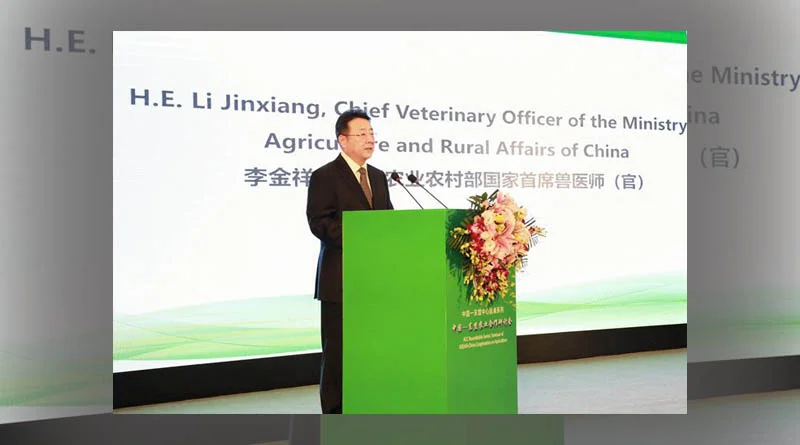
Indonesia has announced a new collaboration with the Chinese government aimed at enhancing agriculture and education in the Papua region, as part of efforts to improve the living standards of local residents. This announcement was made by Indonesia's Minister of Transportation and Migration, M. Iftikhar Sulima Surianagara, during a press conference in Jakarta.
The minister explained that this cooperation includes the establishment of vocational schools in the city of Meraki, which aim to provide specialized educational opportunities for youth, contributing to job creation and bolstering the government's efforts to combat poverty.
Details of the Initiative
As part of this collaboration, a research and development center for agriculture will be established, focusing specifically on developing new rice varieties. This center aims to produce varieties capable of achieving yields of 6-8 tons of rice per hectare, contributing to the food self-sufficiency that the Indonesian government seeks.
The minister noted that these efforts align with the vision of Indonesian President Joko Widodo, who prioritizes poverty alleviation as a key focus of his administration. He emphasized that education is the key to creating job opportunities and improving living standards, contributing to the achievement of sustainable development goals.
Background & Context
Historically, Indonesia has faced significant challenges regarding poverty, with statistics indicating that the number of people living below the poverty line has decreased from 3.56 million to 2.2 million by September 2025. These figures reflect the government's ongoing efforts to improve living conditions for residents, especially in remote areas like Papua.
Papua is considered one of the most underserved regions in Indonesia, suffering from a lack of infrastructure and basic services. Therefore, these educational and agricultural initiatives represent a crucial step toward improving living conditions and promoting economic development in the area.
Impact & Consequences
The Indonesian government anticipates that these initiatives will further reduce poverty rates, as they are expected to enhance educational levels and increase job opportunities. Additionally, agricultural development can contribute to strengthening food security, which is vital amid global challenges related to food resources.
Moreover, cooperation with China in this field could open new avenues for investment and development in Indonesia, reinforcing its position as a leading nation in Southeast Asia.
Regional Significance
These initiatives serve as a model for Arab countries facing similar challenges in education and agriculture. Arab nations can benefit from Indonesia's experiences in fostering international cooperation to achieve sustainable development.
Furthermore, enhancing cooperation in agriculture and education can contribute to improving food security in Arab countries, which struggle with water resource shortages and limited agricultural land. Thus, sharing expertise and collaborating with other nations can have a positive impact on development in the region.